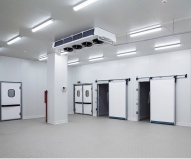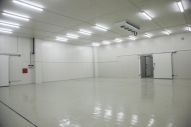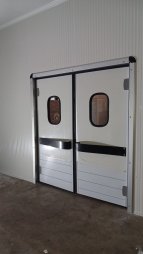





Choosing the Right Walk-In Cooler Swing Door
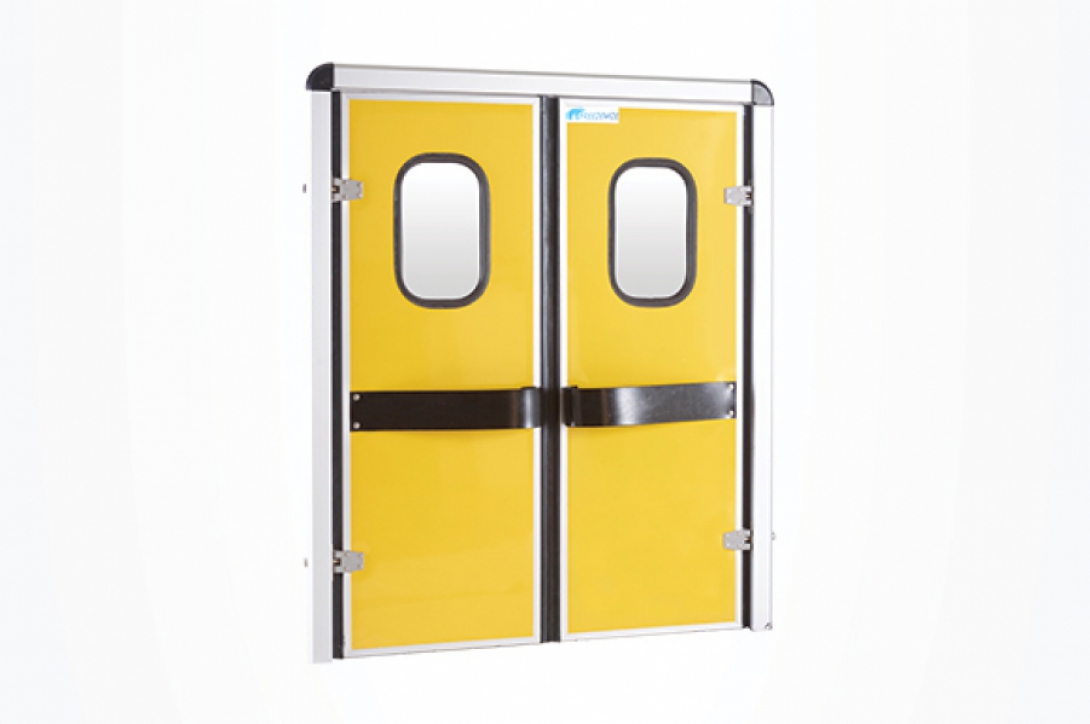
Choosing the Right Walk-In Cooler Swing Door
Choosing a walk-in cooler swing door involves more than comparing width, height, or price. A quiet beverage store has different access needs from a restaurant prep area, hotel kitchen, grocery backroom, or catering facility. Traffic frequency, carried products, operating temperature, cleaning routine, available clearance all influence door selection.
Opening measurements provide a starting point, not a complete answer. Staff approach, cart size, nearby shelving, wall position, floor level, handle location also affect daily use. A model might fit an opening yet still restrict movement after installation.
Match Door Design with Daily Operation
First, review who uses cooler access, how often entry occurs, what staff usually carry. Trays need less clearance than beverage carts. Produce crates create different movement demands from meat pans, bakery racks, or prepared food containers.
Swing direction also affects workflow. Outward opening preserves storage space inside but requires clear space outside. Inward opening risks contact with shelving, stored goods, or personnel. Hinge position needs to follow natural staff movement without forcing awkward turns.
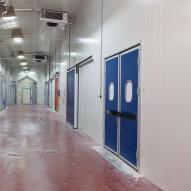
A reliable walk-in cooler swing door opens with manageable force, stays stable during repeated cycles, returns to a closed position consistently. Excessive weight offers little value when insulation, hardware, dimensions, traffic level remain poorly matched.
Compare Construction, Not Only Price
Insulation helps maintain cooler temperature, while gasket contact limits air leakage around frame edges. Uneven sealing near corners often leads to moisture, slow temperature recovery, increased refrigeration demand.
Hinge capacity needs to match door dimensions plus opening frequency. Adjustable hardware supports minor alignment corrections after long-term use. Comfortable handles improve access for staff wearing gloves or carrying products.
Surface material also deserves attention. Stainless steel suits demanding hygiene areas. Coated finishes provide a practical choice for moderate commercial environments. Moisture, cleaning chemicals, cart impact, visibility guide material selection.
Avoid Oversized or Undersized Access
An oversized commercial cooler door increases purchase cost, swing clearance, hardware load. A narrow opening slows product movement, especially during deliveries or restocking. Correct sizing creates enough passage space without adding unnecessary door weight.
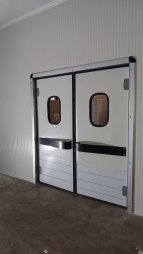
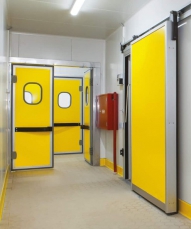
Accessories need a clear operational purpose. Kick plates protect areas exposed to cart contact. Vision panels improve awareness where employees approach from opposite sides. Door closers support frequent entry when tension remains comfortable. Heated components suit applications exposed to icing risk.
The Freezewize Cooling System plans each walk-in cooler swing door according to panel thickness, opening size, temperature range, hygiene level, traffic pattern, installation conditions. Product selection becomes easier once daily movement is mapped clearly. A doorway used during service tells more about required design than a catalogue page ever could.