




Freezewize | Industrial Cooling Systems & Custom Cold Room Solutions

Reducing Maintenance Pressure at the Entrance

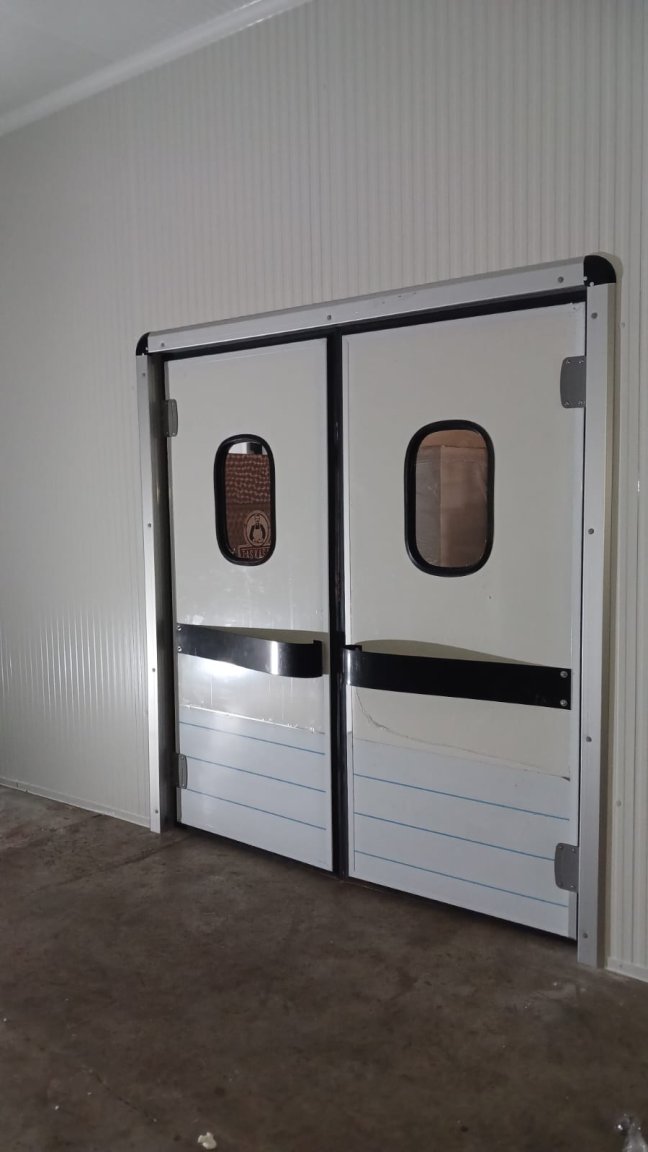
By-Swing Refrigerated Door for Cold Rooms | Reduce Maintenance Needs in the Entry Area
Reduce maintenance demands at the cold room entrance with the by-swing refrigerated door, designed for high traffic, easy cleaning, and reduced daily wear and tear.

Reducing Maintenance Burden at the Entrance

When a cold room entrance begins to require frequent service interventions during normal daily use, the By-Swing refrigerated door is often the right choice. In cold rooms with heavy traffic, the maintenance burden typically doesn’t start with a major failure. It begins with repeated contact, more demanding cleaning, seal strain, hinge fatigue, and small adjustments that occur more frequently than necessary.

Therefore, entrance maintenance should be addressed not merely as a repair issue but as an operational issue. The right door helps reduce preventable wear, supports smoother traffic flow, and prevents the entrance from becoming a constant maintenance point in an otherwise well-performing cold room.

The Problem Usually Begins Before Any Failure Occurs

In many facilities, the entrance becomes the most maintenance-sensitive part of the room long before anyone identifies it as a malfunction.

Staff pass through the entrance all day long. Carts scrape the bottom. Shelves bump against the edges. Push points make repeated contact. Cleaning crews work around thresholds, gaskets, and hardware. Over time, the entrance door承受s more stress than nearly any other part of the cold room. The room may still maintain temperature well, but the entrance begins to require attention more frequently than expected.

This is where maintenance pressure begins to mount. One adjustment leads to another. Minor wear and tear becomes routine. Cleaning becomes less effective. Hardware becomes more exposed. The entrance starts to eat into operations, even if no major issues arise.

For facility managers, contractors, and cold storage operators, this is a familiar kind of frustration. The entrance still works, but it no longer feels sturdy, low-maintenance, or suited to the way the room is used.

Why Does Maintenance Pressure at the Entrance Increase So Rapidly?

The entrance sits at the intersection of traffic, temperature differentials, exposure to cleaning agents, and physical contact. This makes it one of the hardest-working points in a refrigerated environment.

In a high-traffic cold room, a problem is rarely the result of a single incident. The problem lies in repeated occurrences. Repeated short-cycle access, repeated cart movement, repeated contact with the same edge areas, repeated wiping, and repeated stress on closing components accelerate wear and tear. Things that seem insignificant in a single day can become costly over months of actual use.

This is particularly true in food service establishments, supermarkets, processing areas, commercial kitchens, and distribution areas where the door is part of the daily routine rather than occasional access. When a door acts as a traffic point, every design flaw becomes more apparent.

The Risk of Choosing a Door That Only Works on Paper

Even if a door is technically acceptable, it can create a significant maintenance burden in practice.

This situation arises when the selection is based on fundamental distinctions rather than the door’s actual performance. Even if a door closes properly, it may be a poor choice in the long run if it slows down traffic, is vulnerable to repeated impacts, makes cleaning difficult, or requires more adjustments than the facility can comfortably accommodate.

An incorrect door selection typically leads to:

  • more frequent wear on hinges, edges, and bottom strike areas
  • repeated seal stress caused by heavy daily use
  • greater cleaning difficulties around the threshold and hardware
  • increased risk of visible aging in high-traffic areas
  • more service calls, more minor repairs, and more downtime
  • Pressure to replace sooner, even if the unit is still functioning well

This is the true cost of maintenance pressure. It doesn’t always manifest as a single large repair bill. It manifests as repeated outages.

A Comparison That Helps Reduce Future Service Burden

Not every cold room opening creates the same type of maintenance demand. The right door depends on traffic patterns, opening behavior, cleaning conditions, and how much contact the entrance receives each day.

If the room is frequently exposed to short-term access, two-way personnel movement, and regular vehicle or shelf traffic, a swing-type refrigerated door is generally a more robust option. A standard hinged solution can still perform well in environments where the daily load on the opening is lighter and traffic is lower. In situations requiring wider openings or heavier load movements, a sliding solution may be more practical.

Door TypeMost SuitableMaintenance AdvantageMain Limitation
Side-opening refrigerated doorHigh-traffic cold rooms with frequent two-way movementBetter suited for continuous traffic and helps reduce daily stress caused by improper usage habitsMust be matched to the opening and traffic style
Standard hinged refrigerated doorLow to medium traffic, more controlled entryA simpler choice for lighter useMay create greater wear and tear in faster-paced environments with more frequent contact
Sliding refrigerated doorWider openings, larger transfer requirements, space-sensitive areasUseful in situations where opening geometry is the main challengeLess natural for continuous and fast pedestrian traffic

This comparison is important because many maintenance issues are not actually product defects. They are compatibility issues. The door is often expected to manage a traffic pattern for which it was never properly selected.

Why Does the By-Swing Refrigerated Door Often Reduce Maintenance Burden?

The By-Swing refrigerated door is generally a sensible choice because it addresses behaviors that increase maintenance demands.

In high-traffic refrigerated rooms, people do not approach the door as a careful, infrequently used access point. They pass through the door as part of a pathway. If the door resists this flow, contact increases, stress builds up, and the maintenance burden rises. The by-swing configuration supports a more natural flow of traffic, especially in situations where movement comes from both directions and continues throughout the day.

This improvement in flow creates a practical maintenance benefit. When the opening is better suited to actual traffic, there is typically less awkward contact, fewer repeated misuse incidents, and less daily wear and tear in the same problem areas. The result is not just smoother movement. It is a more stable entry with fewer preventable service points.

This becomes even more effective when all aspects of the layout are evaluated together, including the following:

  • threshold design
  • frame and panel integration
  • seal behavior under repeated cycles
  • kick and impact protection
  • hardware layout and access for cleaning
  • Visibility in the opening
  • how vehicles, racks, and personnel move within the room

This is where the Freezewize Cooling System comes into play. The need for less maintenance typically stems not from choosing a door alone, but from selecting an access system suited to actual operating conditions.

Maintenance Burden Is Also a Workflow Issue

One of the biggest mistakes in cold room planning is treating maintenance as a separate issue from the workflow.

In reality, the two are interconnected. When an entry door causes friction, cumbersome movement, increased impact, and cleaning difficulties, it also increases the demand for service. A better door selection not only enhances reliability but also improves how the room performs under pressure.

This is crucial in U.S. facilities where labor efficiency, hygiene standards, inspection readiness, and uptime determine the true value of a door. A low-maintenance entrance isn’t just easier to maintain—it’s also easier to use.

Quick Decision Guide

Choose a winged refrigerated door in the following situations:

  • if daily traffic volume at the entrance is high
  • if personnel pass through the entrance in both directions
  • if vehicles, shelves, or boxes regularly pass through the door
  • if the room requires less daily maintenance under actual operational pressure
  • if the facility wants a smoother flow and fewer maintenance points

Choose a more traditional hinged solution in the following situations:

  • if traffic is less intense and more controlled
  • if entry frequency is lower
  • impact exposure is moderate
  • if maintenance pressure at the entrance is not a significant operational issue

Choose a sliding solution in the following situations:

  • if the opening is wider
  • if larger transfers are the determining factor
  • If clearance conditions are more important than rapid pedestrian flow
  • if the primary challenge is the opening geometry rather than repeated short-cycle access

The clearest rule is simple: The best low-maintenance door is the one that fits how the entrance is actually used every day.

Related Solutions

If the goal is to reduce maintenance at the entrance, these related solutions are generally worth considering in conjunction with swing-type refrigerated doors:

  • Cold room hinged doors for refrigerated access points with lower traffic
  • Sliding cold room doors for wider openings and wider pathways
  • Cold room panel systems for stronger opening integration
  • Freezer room door solutions for low-temperature applications
  • Threshold and gasket upgrades for high-traffic entry points
  • Impact protection, kick plates, and vision panel options for high-traffic service areas

FAQ

Why does the cold room entrance require more maintenance than the rest of the room?

Because the cold room entrance is exposed to the heaviest traffic, contact, cleaning procedures, and repeated opening cycles within the entire refrigerated area.

Is a swing-type refrigerated door better for reducing maintenance needs?

In most high-traffic cold room applications, yes. It generally adapts better to repeated traffic and helps reduce the daily workload that leads to preventable service issues.

What typically causes maintenance pressure at the door entry?

Repeated short-cycle use, cart contact, improper traffic patterns, strained gaskets, threshold buildup, and a door type that doesn’t match actual traffic.

Can a standard hinged door still be the right choice?

Yes. It can perform very well in areas where the opening is used less frequently, resulting in naturally lower maintenance needs and lower traffic volumes.

Should thresholds and hardware be part of the maintenance decision?

Absolutely. The long-term service load depends not only on the door panel but on the overall condition of the opening.

What is the most common mistake made when trying to reduce maintenance?

Assuming the problem stems solely from component quality, even though the root cause is often the door’s suitability for daily usage conditions.

Conclusion

Reducing maintenance at the entrance actually prevents the door from becoming a recurring operational burden.

The right cold room door is one that requires less attention because it is suitable not only for the opening but also for the job.

If your refrigerated entrance requires more service time than necessary, the problem may not be solely due to wear and tear. It could stem from a lack of suitability. A properly selected side-opening refrigerated door can typically reduce daily wear, improve operation, and keep the entrance more stable in the long term.


Fill the Form!

Write your needs and fill the form to contact us.

Freezewize | Industrial Cooling Systems & Custom Cold Room Solutions
Merhaba, Size yardımcı olabilir miyiz ?
Whatsapp Destek