




Long-Term Reliability at Cold Entries
Long-Term Reliability in Hinged Cold Room Door Performance
Choose a hinged cold room door built for long-term reliability, lower maintenance pressure, and steadier daily performance at busy cold entries.
Long-Term Reliability at Cold Entries
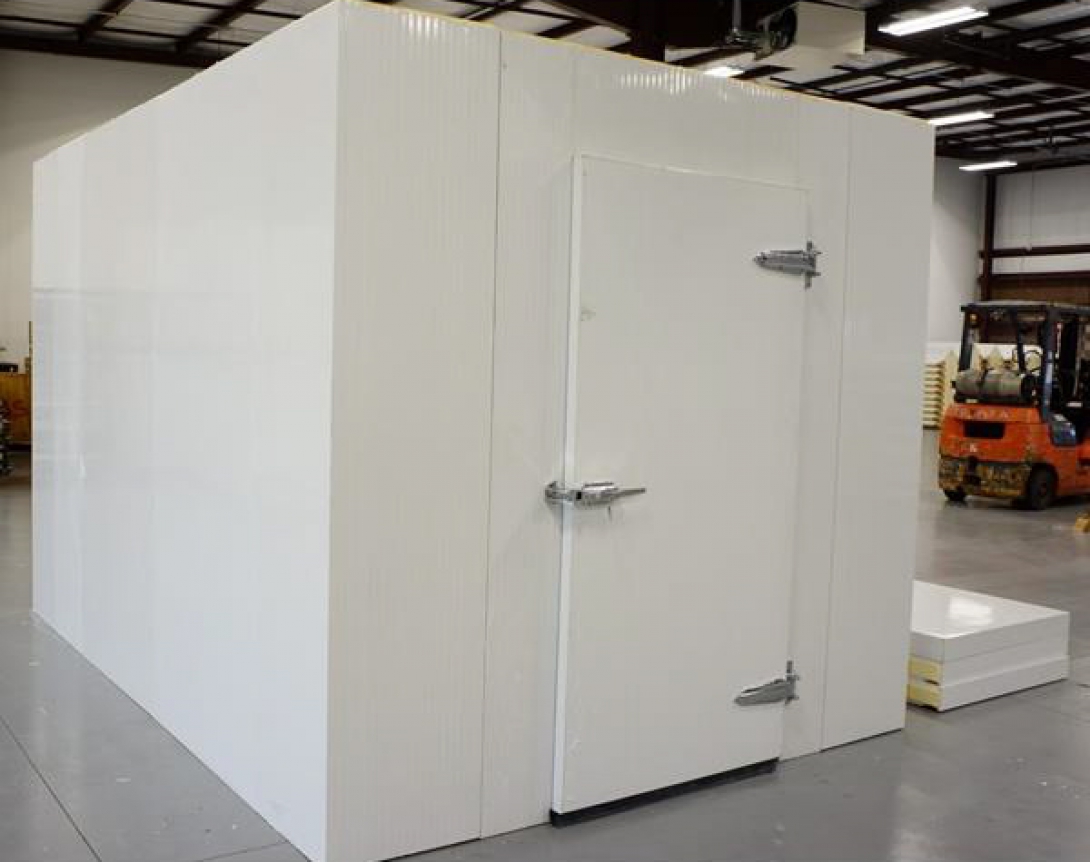
A hinged cold room door provides long-term reliability not just for the initial installation, but when selected for actual daily use. Reliability in cold room entrances depends on how well the door can withstand repeated opening cycles, seal pressure, traffic exposure, cleaning routines, and the gradual wear that accumulates around the opening over time.
Therefore, reliability in cold room entrances is never solely dependent on whether the door works on the first day. It concerns whether the entrance remains aligned, reliable, and easy to use after months and years of daily use in a demanding refrigerated environment.
Reliability Issues Usually Start Small
Most cold room door failures do not begin with dramatic breakdowns. They start with small signs that the door is falling out of its operating rhythm.
A hinge requires more attention than expected. The door no longer closes with the same consistency. More wear begins to appear on the seal. Staff have to pull the handle harder. The bottom section is subjected to repeated impacts. The frame area starts to look older than the rest of the room. None of these issues may seem critical on their own, but when they occur together, they indicate that the door has begun to lose its reliability long before it becomes unusable.
This situation is common in cold rooms where staff pass through the same door all day, in cold storage areas at the back of supermarkets, in food processing support areas, in kitchens, and in refrigerated preparation areas. In these environments, the entrance is not a passive component. It is one of the most heavily stressed parts of the room.
Cold Entrances Place Constant Stress on Door Systems
A cold entrance must do more than simply separate one area from another. It must maintain its performance through repeated temperature changes, personnel movement, manual contact, proximity to hand carts, cleaning routines, and operational pace.
This constant stress quickly exposes poor choices. A door that appears acceptable during the proposal phase may begin to show signs of strain once the room enters actual service. Hardware fatigue, inconsistent sealing, misalignment, threshold wear, and visible aging around the opening are typically signs that the door was selected for basic fit rather than long-term reliability.
It is at this point that many facilities realize the true cost of selecting a subpar entrance door. The door still functions, but it begins to demand more time, more adjustments, and more patience from the people who use it every day.
The Real Risk Is Early Performance Decline
The greatest risk with a cold-weather entrance door is not always a complete failure. The real risk is early performance decline.
This decline practically impacts daily operations:
The door’s opening and closing become less predictable
Seal performance becomes increasingly inconsistent over time
Hardware begins to require more frequent adjustments
During busy shifts, staff lose confidence in the entrance
Cleaning around the opening becomes more difficult
Visible wear and tear causes the room to age more quickly
Replacement planning comes sooner than expected
Even if a product is still technically functioning, it may have become the wrong choice in the long run. This is a reliability issue that many buyers in U.S. operations—where labor efficiency, downtime control, readiness for inspection, and total cost of ownership are all critical—want to avoid.
Entrance Reliability Is Different from Basic Durability
Basic durability is not the same as long-term reliability. Even if a door is generally sturdy, if it is not suited to the room’s traffic patterns, frequency of use, and maintenance realities, it may perform poorly in high-traffic areas.
Long-term reliability means the entrance continues to perform well under routine use. The door panel remains stable. Hardware reliability is maintained. The gasket holds up. The threshold adapts to floor conditions. The surrounding panel trim remains clean and sturdy. The entrance continues to support workflow rather than gradually becoming a source of friction.
Therefore, reliability should be evaluated not as a single material issue but as a system issue.
Standard Entrance Concept vs. Long-Term Reliability Concept
The best comparison is rarely made between one door category and another. This comparison is between a door selected for short-term adequacy and a door selected for long-term performance in a cold entrance.
| Decision Factor | Basic Hinged Entry | Reliability-Focused Hinged Entry |
|---|---|---|
| Daily cycle tolerance | Moderate | Better suited to repeated use |
| Hardware stability over time | More variable | More dependable long term |
| Seal consistency | May drift sooner | Better maintained through use |
| Maintenance burden | Often rises earlier | More predictable over time |
| Visible aging at the opening | Shows sooner | Better controlled |
| Ownership logic | Lower initial focus | Better long-term fit |
| Best use case | Lighter-duty access | Daily-use cold entries |
This is the most important difference for facility managers and contractors. It is not whether the door will work, but whether it will continue to function well without becoming a recurring problem.
A Better Solution Is an Entrance Designed for Real-World Workload
A better result comes from adapting the hinged cold room door to the conditions that truly determine reliability. This means looking beyond the opening size and basic insulation value.
Long-term reliability increases when the entrance is planned around the following:
Actual daily opening frequency
Traffic from both personnel movement and hand carts
Hinge and hardware quality for repeated cycles
Seal performance under regular use
Threshold and floor transition behavior
Bottom edge protection in areas exposed to impact
Accessibility for cleaning around the frame, seals, and hardware
Stability of the surrounding panel and integration with the opening
In most cases, the most reliable entrance door is not the most complex one. The most reliable entrance door is the one that has been honestly determined from the outset, taking into account the operational realities of the room.
This is where the Freezewize Cooling System becomes practically significant. When the door is evaluated in conjunction with the panel system, traffic flow, hygiene routines, floor conditions, and service access—rather than being treated as a standalone component—long-term reliability increases.
Cold Entry Reliability Depends on Daily Behavior
A door does not become reliable solely based on its technical specifications. It becomes reliable when its design aligns with the behaviors of its surroundings.
If staff use the entrance constantly, the door should operate smoothly without requiring extra force. If light vehicles pass by, the lower section must be protected against premature wear. If the room is cleaned on a strict schedule, maintenance of the hardware and threshold area should be easy. If the entrance is located in a visible rear area, it must maintain both its functionality and appearance.
For this reason, the same door can perform very differently in two different facilities. Reliability is shaped not just by the product label, but by how it is used.
Common Characteristics of Reliable Cold Entrances
Reliable cold entrances typically share several characteristics. They feel sturdy. They close consistently. They do not require constant attention. Hardware does not become an issue at a very early stage. The frame area remains under control. Even after long-term use, the opening still feels right.
This result is typically achieved through a disciplined specification rather than exaggerated claims. The best entry door is usually one that prevents preventable wear, unnecessary complexity, and the small daily annoyances that quietly shorten service life.
In other words, long-term reliability is typically achieved through appropriateness, not excess.
Quick Decision Guide
A hinged cold room door is generally the right choice for long-term reliability in the following situations:
If the opening serves an area with heavy personnel traffic
If the room is a freezer, preparation area, or refrigerated support area
If the facility prefers simpler manual access with more stable long-term performance
If maintenance tolerance is low and predictable performance is critical
If cleaning and inspection routines require a reliable, manageable door
If the project can address hardware quality, sealing performance, and impact zones early in the design phase
Examine the configuration more carefully in the following situations:
If the opening is exposed to repeated heavy rolling impacts
If the swing opening causes constant friction during daily use
If the threshold area is highly likely to be subjected to constant misuse
If the room’s traffic volume exceeds what a standard daily-use entrance can handle
If replacement timing has already become a recurring concern in similar openings
The most robust long-term decision is typically the one that prevents the wear and tear of the cold entrance from turning into a maintenance burden.
Related Solutions
If the project focuses on long-term reliability at the entrance, it is generally beneficial to review these related solution areas together:
Cold room door systems for repeated daily cold access
Freezer room door solutions for lower-temperature entrance requirements
Cold room wall panels for stronger opening integration
Threshold and floor transition details for smoother daily use
Kick plates and protective hardware for openings prone to wear and tear
Viewing panel options for safer passage through active entrances
Cold room maintenance planning sheets for long-term service logic
FAQ
What makes a hinged cold room door reliable over time?
Long-term reliability typically stems from the proper balance between hardware quality, sealing performance, traffic flow, threshold condition, cleaning routine, and the actual daily use of the opening.
Why do some cold room entrances feel worn out much too early?
This usually happens when the door is selected for basic fit rather than long-term operational pressure. Repeated cycles, contact, and sealing stress reveal incompatibility over time.
Is long-term reliability primarily about the door panel?
No. The door panel is important, but hinges, locks, gaskets, threshold design, surrounding panels, and traffic behavior also affect whether the entrance remains reliable.
Can a hinged cold room door be a long-lasting solution?
Yes. In many refrigeration and cold room applications, a properly designed hinged door is one of the best long-term solutions for daily, repeated access by personnel.
Does reliability reduce maintenance costs?
In most cases, yes. A more reliable entrance typically means fewer adjustments, slower wear, better seal consistency, and reduced pressure to replace components prematurely.
Should contractors evaluate the entire opening, not just the door?
Absolutely. Long-term reliability depends on the entire condition of the entrance, including floor transitions, the path of opening, adjacent equipment, exposure to impact, and wall integration.
Conclusion
Long-term reliability in cold room entrances stems from selecting a door that not only appears acceptable during installation but also maintains its performance under real-world daily stress.
When an entrance is constructed to remain reliable long after the room becomes operational, a hinged cold room door is the right choice.If your project is evaluating a cold room entrance for daily use, reviewing the entire entrance in terms of traffic, sealing, hardware, and maintenance expectations is the clearest path to achieving a more reliable long-term outcome.