




Freezewize | Industrial Cooling Systems & Custom Cold Room Solutions

Cleaner Operation at the Door Line

Hinged Cold Room Door Design for Cleaner Daily Operation

A cleaner door line improves hygiene, workflow, and long-term reliability. See how the right hinged cold room door supports cleaner daily operation.

Cleaner Operation at the Door Line

A hinged cold room door supports cleaner operation when the door entry is planned not just as an access point, but as part of the room’s hygiene routine. In daily use within refrigeration and freezer areas, the door system affects cleaning efficiency, seal integrity, edge wear, traffic flow, and how well the room maintains its operational standards over time.

This is important because the dirtiest or most heavily stressed part of a cold room is usually not deep within the space. It is the entry point where staff enter, vehicles pass through, equipment is repeatedly touched, and cleaning or wiping routines must function effectively without the door itself becoming an obstacle.

The Doorway Is Where Daily Cleaning Is Put to the Test

Many facilities place great importance on insulated panels, cooling performance, and storage organization, but the doorway is often where operational discipline begins to break down. This is not because teams neglect cleaning, but because the doorway is where contact, movement, moisture, impact, and repeated use converge.

In a cold room in daily use, this area is constantly exposed to hand contact, repeated opening cycles, product movement, and traffic flowing from warmer work areas into the controlled storage area. If the entrance is difficult to wipe down, the threshold area is impractical, or the edges are highly susceptible to damage, maintaining cleanliness under real-world operating conditions becomes challenging.

This is particularly true in food service areas, processing support rooms, supermarket backrooms, and refrigerated preparation areas where staff move quickly and cleaning routines must be practical, repeatable, and ready for inspection. If the door line is always the first part to wear out, the room looking clean doesn’t mean much.

Poor Door Line Design Leads to Hygiene Issues

A door doesn’t need to break to cause problems. It’s enough for it to make daily cleaning more difficult than it should be.

When the door line is poorly designed, facilities typically encounter the following:

More buildup at gaskets, corners, and hardware contact points

More difficult cleaning at the threshold and floor transition

Faster visible wear on the lower door section and frame edges

More contact damage caused by vehicles, boxes, or rushed movements

A weaker appearance of the back side even if the room is functional

Greater maintenance attention required for gasket, hinge, and latch areas

Increased pressure during inspections or internal hygiene checks

These issues rarely arise as a single major incident. They result from repeated occurrences. The result is a cold room entrance that functions technically but constantly requires extra labor, extra attention, and extra repairs.

A Functional Door Can Still Hinder Clean Operations

This is one of the most common mistakes in cold room access planning: the assumption that just because a door opens, provides a seal, and withstands daily use, it must also support clean operations. This is not always true.

Even if a door is structurally acceptable, it can still lead to hygiene issues. If access to surfaces becomes difficult during routine cleaning, if the threshold traps more dirt or moisture, or if areas exposed to impact wear out too quickly, the entrance begins to lower the room’s overall standard. Over time, staff adapt to the problem rather than solving it. Cleaning becomes more labor-intensive. Visual quality deteriorates faster. Maintenance becomes a routine part of daily operations sooner than expected.

In commercial facilities in the U.S., this creates more than just a cosmetic issue. It also impacts workforce productivity, audit reliability, and long-term ownership costs. A door series that is difficult to keep clean often becomes a door series that is difficult to maintain reliably.

Cleaner Operation Starts with Access Logic

Cleaner operation along the door line depends on how well the entrance is suited for daily use. A hinged cold room door is often a strong choice because it offers direct access, clear manual control, and a simple operating pattern. However, this advantage holds true only when the entrance is planned for actual traffic and real hygiene routines.

The entrance must support the following:

Easy access to key contact points

A clean opening path that does not create awkward impact zones

Hardware durable enough to withstand repeated cleaning and use

A threshold condition that does not create an unnecessary cleaning burden

Surface continuity with surrounding panels and wall areas

Practical access for wiping, inspection, and service

When these elements align, the door ceases to act as a contamination-prone interruption and begins to function as a clean extension of the room’s exterior.

Door Line Cleaning and the Concept of Basic Access

The most useful comparison is not between clean and dirty products. It is between a door selected for simple access and a door selected for clean daily operations.

Decision FactorBasic Cold Room EntryCleaner Door-Line Entry
Daily wipe-down practicalityModerateStronger
Threshold cleanabilityCan be overlookedPlanned intentionally
Hardware exposureOften reactiveBetter controlled
Visible wear resistanceLower in busy useBetter suited to daily contact
Hygiene consistencyDepends heavily on staff effortEasier to maintain
Maintenance pressureRises soonerMore predictable
Best use caseGeneral accessRepetitive use with cleaning priority

This distinction is important because a high-traffic cold room does not merely require access; it requires access that remains manageable under the pressure of cleaning.

A Better Solution Is a Door That Supports the Routine

The right solution is usually not to make the door more complex. It is to make the door entry more suitable.

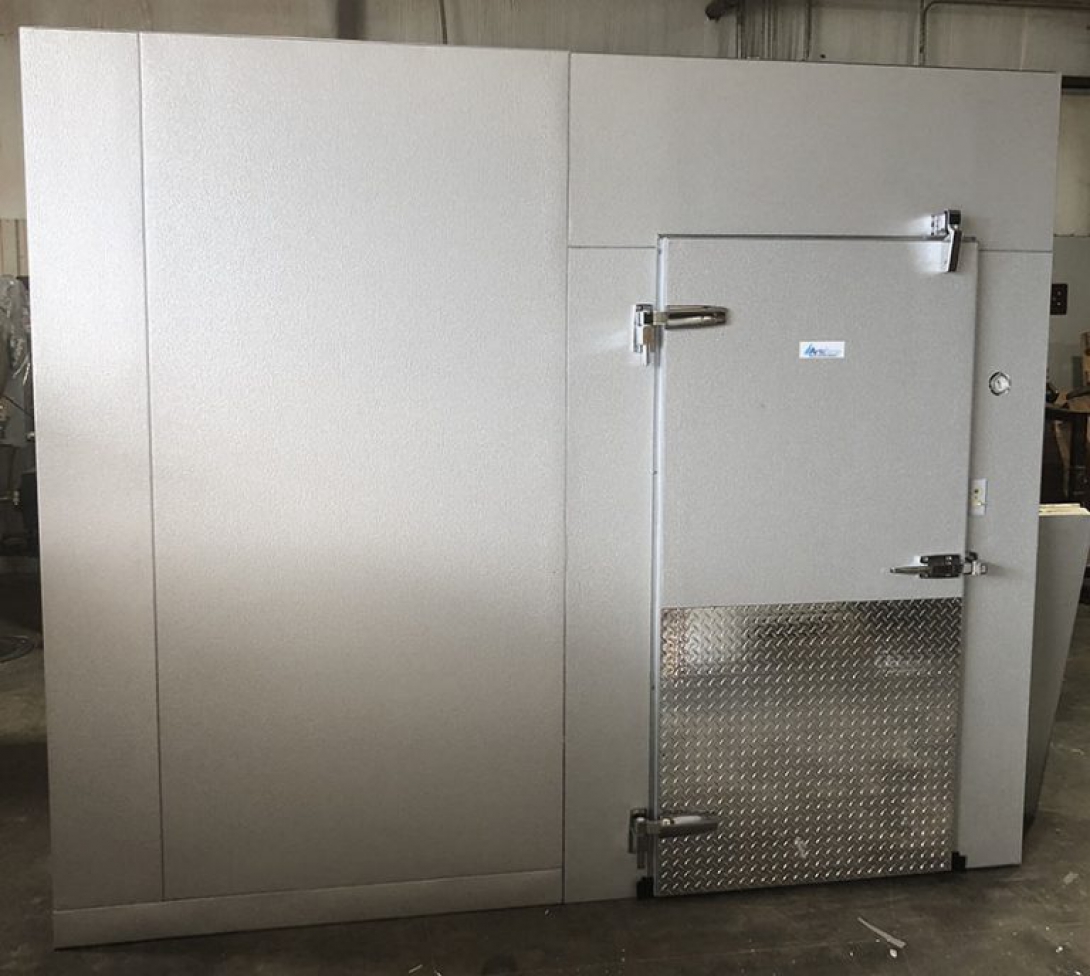
For many facilities, this means a hinged cold room door with a design and finish logic suitable for repeated entries, routine wiping, and long-term durability. The most effective installation typically includes cleanable surfaces, reliable sealing, sensible threshold treatment, impact-sensitive detailing, and hardware placement that avoids unnecessary cleaning hassles.

This is also where the surrounding components become more critical than many buyers anticipate. The door series must be reviewed in conjunction with adjacent wall panels, floor transitions, kick plates, edge exposure, visibility requirements, and traffic flow. A cleaner operation rarely stems solely from the door panel; it stems from the performance of the entire access zone.

This is where the Freezewize Cooling System becomes practically significant. Better results are achieved by treating the entrance as an integral part of the work environment; in this case, the door, panel interface, hardware, hygiene requirements, and service conditions are evaluated together.

Better Door Performance Is Also a Decision About Durability

There is a strong connection between cleanability and durability. The easier it is to maintain the door system, the greater the likelihood that it will retain its appearance and functionality over time.

When cleaning is difficult, there is a tendency for peripheral areas in facilities to be neglected more often, for gaskets to be subjected to greater stress, and for wear and tear to become more pronounced at high-contact points. When cleaning is easy, it is easier to comply with standards. This reduces the likelihood that the entrance will begin to look older than the rest of the room, even if the door is still operational.

In other words, a cleaner door system is not just a matter of hygiene. It is also a matter of long-term performance.

Quick Decision Guide

A hinged cold room door is generally the right choice for a cleaner operation in the following situations:

If personnel enter and exit the room repeatedly every day

If the facility adheres to consistent cleaning and hygiene protocols

If the opening requires simple manual operation

If cleaning crews need practical access to surfaces and edges

If the facility wants to experience fewer maintenance issues over time

Take a closer look before finalizing your decision in the following situations:

If there is a risk of dirt or moisture buildup in the threshold area

If constant traffic causes repeated impact on the bottom edge

If the hardware is located in areas with heavy contact and difficult-to-clean positions

If the surrounding layout makes routine cleaning difficult

If the opening is exposed to more wear and tear than a standard daily-use access point

The right choice is the option that simplifies cleaning the door line without requiring the operation to be adjusted accordingly.

Related Solutions

If the project focuses on ensuring a cleaner operation at the door entrance, it is generally helpful to review the following related solution areas together:

Cold room wall panels for cleaner surface continuity

Refrigerated room door systems for areas intended for daily use

Freezer room door options for lower-temperature applications

Viewing panel configurations for visibility in high-traffic areas

Kick plates and protective hardware for frequently touched entry points

Threshold and floor transition details to keep areas near vehicle traffic cleaner

FAQ

Why is the door line so important in cold room hygiene?

Because it is one of the most frequently touched areas in the room. Staff constantly touch it, traffic passes through here all day, and it is typically where wear, moisture, and cleaning challenges first appear.

Can a hinged cold room door support rigorous cleaning routines?

Yes. In many refrigeration applications designed for daily use, a hinged door is an excellent choice when surfaces, thresholds, hardware, and surrounding details are planned for routine cleaning and repeated use.

What makes it difficult to keep a door series clean?

Poor threshold design, exposed or hard-to-use hardware, repeated impact on the bottom edge, narrow clearance gaps, and hard-to-reach contact points are common causes.

Is a cleaner operation solely about hygiene?

No. It also affects labor productivity, back-of-house visual standards, audit reliability, and long-term maintenance burden.

Should the threshold be reviewed as part of the door selection process?

Absolutely. A threshold that hinders cleaning or traps dirt can cause daily issues even if the door itself performs well.

Does a cleaner door system design help reduce maintenance needs?

In most cases, yes. Cleaner and better-designed access areas reduce premature wear, protect seals and edges, and make routine maintenance more predictable.

Conclusion

A cleaner operation in the door system is achieved by selecting a cold room entrance that supports hygiene, movement, and durability simultaneously.

A hinged cold room door is the right choice when the door entry remains as clean and functional as the room it protects.If you are evaluating a cold room entry for daily use in your project, reviewing the entire door assembly early on can prevent hygiene issues, visible wear, and unnecessary maintenance needs later on.


Fill the Form!

Write your needs and fill the form to contact us.

Freezewize | Industrial Cooling Systems & Custom Cold Room Solutions
Merhaba, Size yardımcı olabilir miyiz ?
Whatsapp Destek