




Faster Entry at Larger Openings
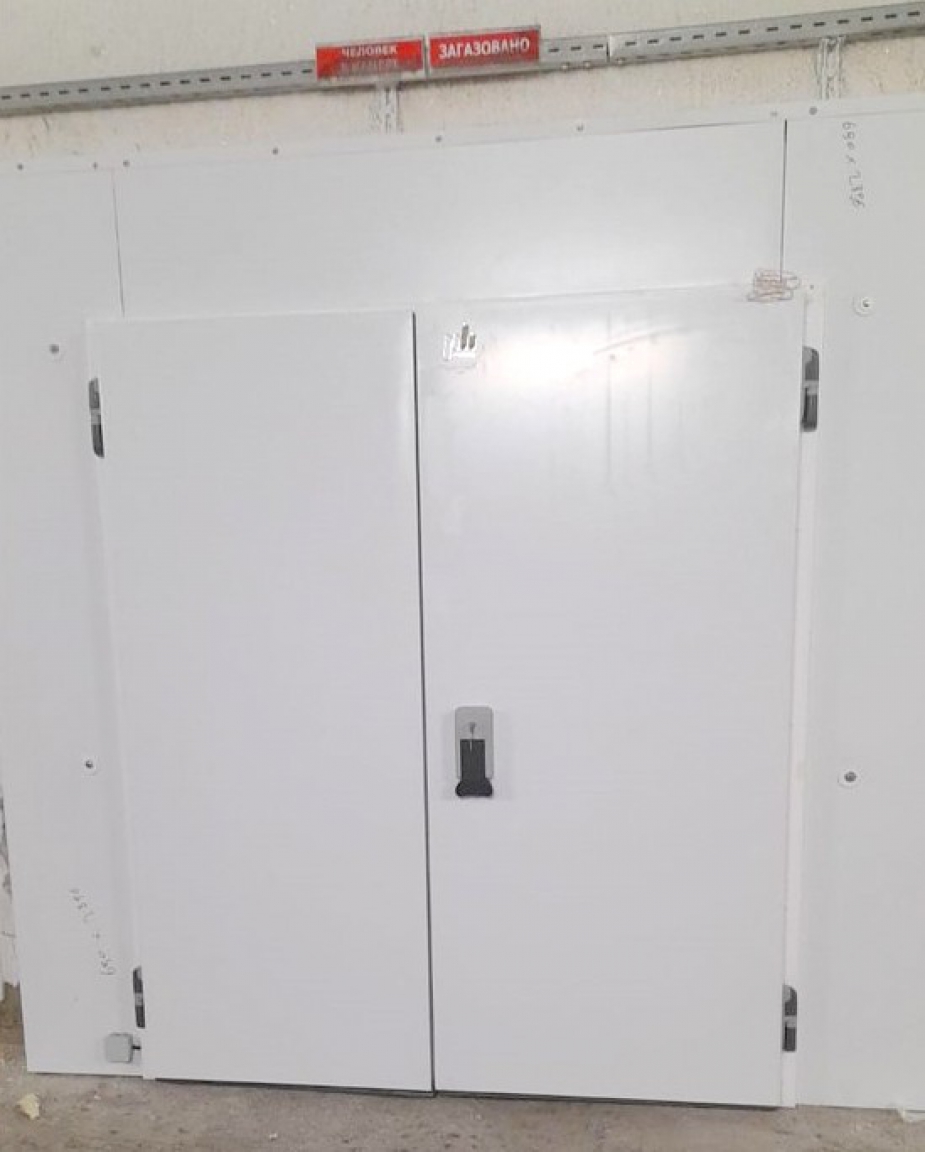
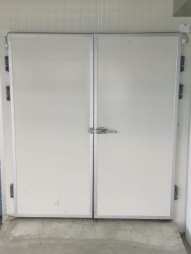
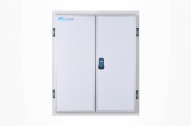
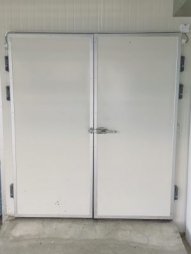
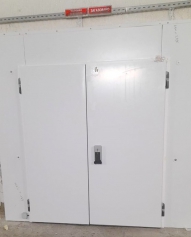
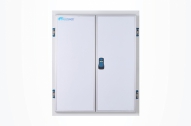
Double Hinged Cold Room Door for Faster Entry at Larger Openings
Speed up traffic through larger cold room openings with double hinged doors that improve flow, reduce bottlenecks, and support cleaner daily operation.
Faster Entry at Larger Openings
When a wider opening begins to slow down movement in the room rather than facilitate it, a double-hinged cold room door is often the right solution. In high-traffic cold storage facilities, faster entry isn’t just about width. The opening must accommodate people, vehicles, racks, and repetitive daily movements without causing friction, difficult operation, or preventable wear and tear.
Therefore, wider openings require a different access logic. When controlling a single large panel becomes difficult, slows down movement, or places additional strain on the hardware, double-panel access typically creates a faster and more functional entry point for actual cold room operations.
Entry Speed Is Becoming a Real Facility Issue
In many cold rooms, slow entry doesn’t seem dramatic at first. The room still maintains its temperature. The door still opens and closes. Nothing appears broken. However, opening the opening begins to require more time, effort, and coordination than it should.
This situation typically arises in facilities where the access point is subjected to frequent movements throughout the day. Staff move material carts, rolling racks, hand trucks, boxes, or pallet jacks through the room. Cleaning crews need practical access. Supervisors want the back area to be organized and ready for inspection. The door becomes not just a barrier between two temperatures, but a part of the workflow.
Even if the opening is wide, if the entry process still functions like a smaller door, speed decreases. Staff slow down at the threshold. One person holds the door open while the other enters. Wider loads require extra adjustments. Repeated entries during busy shifts cause congestion. A process that should be seamless becomes cumbersome, delayed, and inefficient.
The Risk Isn’t Just Delay
Slow entry through a wider opening is not merely a matter of wasting a few seconds.
This situation increases the load on the system, leads to rougher movements, and turns a routine door into a daily friction point. In food facilities, warehouses, processing rooms, supermarkets, and commercial kitchens, this friction spreads to the rest of the operation. It affects labor efficiency, cleaning schedules, equipment usage, and how durable the opening will remain over time.
Inappropriate access can lead to:
slower movement of carts and shelves
more impact on the frame or door edge
extra wear on hinges, latches, and gaskets
disruptions in workflow during peak hours
difficulty cleaning around the threshold and hardware
a room entrance that begins to wear out prematurely
increased pressure for repairs or replacements sooner than expected
This is the real risk. A door may function technically, but it can still be the wrong choice because it makes operating the room difficult.
Why Larger Openings Often Outgrow the Single-Door Logic
A single-hinged door still makes sense in many refrigerated rooms. It is simple and effective for medium-sized openings and lower traffic volumes.
The problem begins when the opening grows larger and daily use becomes more demanding. A single door must cover a width beyond what it was designed to handle comfortably, bear a greater swing load, and manage a wider traffic flow. That’s when entry begins to slow down.
A large single-leaf door typically creates three practical problems at once. It requires more control from the user, more clearance in the opening path, and greater tolerance from the hardware. In low-pressure areas, this may still be acceptable. In active cold rooms, however, it is generally unacceptable.
The result is familiar to facility teams. The opening is technically wide enough, but it doesn’t feel fast. It feels as though the room is waiting for the door.
Single-Leaf and Double-Leaf Access
The real comparison isn’t about which option looks bigger. It’s about which option maintains the opening’s movement under daily pressure.
| Access Format | Best Fit | Main Strength | Main Limitation |
|---|---|---|---|
| Single hinged door | Standard openings with lighter traffic | Simple daily use | Loses efficiency as opening width and movement volume increase |
| Double hinged cold room door | Larger openings with frequent staff and wheeled traffic | Faster usable entry and better control across wide openings | Requires correct sealing, alignment, and hardware coordination |
| Sliding cold room door | Openings where swing space is limited | Preserves nearby floor area | Not always the fastest answer for every repeated back-and-forth workflow |
For wider openings where speed matters, double-hinged access typically provides a better operational balance. Instead of placing the entire load on a single large panel, it converts the width into usable movement.
Why Do Double Doors Increase Entry Speed?
A double-hinged cold room door increases speed because it makes a wide opening easier to use in real-world conditions.
Instead of relying on a single heavy or cumbersome panel, the opening is divided into two manageable sections. This changes how people approach the room and how equipment moves through it. Routine traffic can pass through with less hesitation. When full width is needed, both panels can open to support wider movement more naturally.
This is important in cold-room environments where entry speed is linked to multiple factors simultaneously:
personnel moving in and out during preparation, collection, or stocking
carts and shelves requiring a cleaner, smoother passage
larger loads that must not be forced through without creating an angle
cleaning crews needing better access during washing routines
service teams requiring a more functional entrance during maintenance
operations that cannot afford unnecessary slowdowns at the door
Double doors do more than just create a larger opening. They provide a faster opening because the entrance becomes more balanced, more manageable, and better suited to actual traffic flow.
Faster Entry Depends on More Than Just Door Width
This is where many purchasing decisions go wrong. They focus on the opening size but overlook the elements that make that size usable.
In a wider cold room opening, speed depends on all entry conditions. Threshold design affects wheeled traffic. Seal placement affects closing consistency. View panels can enhance safety in two-way traffic. Protective hardware is essential when vehicles and shelves are subjected to repeated impacts. Surface finishes and details affect how easily the door can be kept clean in food-focused environments.
A faster entry point is typically achieved by properly adjusting several details simultaneously:
Traffic Flow
A room primarily used by foot traffic does not behave the same way as a room where wheeled carts pass through every few minutes. The type of traffic determines how frequently both wings are needed and how intensively the opening will be used.
Threshold Conditions
A wide door will still slow down traffic if carts make it difficult to pass over the threshold. Smooth entry depends largely on how products and equipment pass through the threshold.
Closing and Sealing Reliability
Speed cannot be achieved at the expense of sealing. In refrigerated rooms, faster entry only functions as a real solution when the doors consistently close and provide proper sealing after repeated use.
Visibility and Safety
In wider openings, sight panels and controlled movement are more important. These help reduce hesitation, collisions, and erratic stop-and-go behavior.
Maintenance Tolerance
Some facilities may tolerate more adjustments and maintenance than others. The best solution isn’t just one that looks impressive on installation day, but one that maintains its practicality over time.
The Right Solution for Wider and Faster Openings
When the goal is to provide faster access through a larger opening, the right answer is usually not to place more load on a single panel. It is to select an access system suited to the room’s size and speed.
This is where a double-hinged cold room door becomes a practical upgrade. This ensures the opening functions exactly as the operation requires. Faster passage, smoother movement, less strain, and better usability stem from adapting the door design to the working environment.
In proper cold room planning, the opening must be considered as an integral part of the entire system. Panel layout, threshold conditions, sealing strategy, hardware, visibility, and expected traffic flow all influence whether the entry point will remain fast and reliable over time. For this reason, the Freezewize Cooling System typically addresses wider openings not merely as a door selection exercise, but as an operational design challenge.
Quick Decision Guide
Select a double-hinged cold room door if most of the following conditions apply:
the opening is large enough that a single-leaf door would feel slow or impractical
vehicles, racks, or pallet jacks move regularly within the room
entry speed affects setup time, stocking speed, or shift flow
if staff typically require wider access during peak hours
if the current opening causes hesitation or bottlenecks
if equipment stress or premature wear is already becoming apparent
if the operation requires not just a basic replacement but better long-term compatibility
A single-hinged solution may be sufficient in the following situations:
the opening width is moderate
traffic is mostly pedestrian
larger loads pass through only occasionally
simplicity is more important than increased efficiency
there is no recurring slowdown at the entry point
Related Solutions
Facilities evaluating faster entry for wider openings typically also consider the following cold room elements simultaneously:
cold room insulated panel systems
refrigerated room doors for standard access points
freezer room door configurations for low-temperature rooms
threshold and floor transition details for wheeled traffic
viewing panels and protective equipment for safer movement
gaskets, sealing elements, and perimeter hardware for reliable sealing
cold storage layout planning for high-traffic work areas
These solutions are important because entry speed is typically the result of a comprehensive opening strategy, not just a single door leaf.
FAQ
Are double-hinged cold room doors better for wider openings?
Yes, in many applications they are. Generally, they provide a faster and more manageable entry in situations where a single large panel would slow down traffic or cause inconvenience during daily use.
Do double doors help vehicles and racks move faster?
Generally, yes. Better control over wider usable access and openings can reduce hesitation, awkward angles, and repeated contact during movement.
Is a single large door sufficient for a wide cold room opening?
Sometimes, but not always. A single large panel can still function, but it may slow down entry, strain the hardware, and feel ill-suited to actual traffic levels.
Does faster entry reduce wear on the opening?
It can. When traffic flows through the door more naturally, there is generally less impact, less strain, and less repetitive stress on the same parts of the system.
What should buyers consider before choosing double doors?
They should review the opening width, traffic type, wheeled traffic, threshold condition, cleaning routine, seal reliability, and long-term maintenance expectations.
Are double-hinged doors only practical in very large warehouse rooms?
No. They can also make sense in supermarket backrooms, food preparation areas, kitchens, and processing areas where the opening experiences frequent and time-sensitive traffic.
Faster Entry Should Feel Natural, Not Forced
With larger openings, the goal isn’t just more space. The goal is to ensure smoother, faster, and more reliable movement within the room every day.
When a wide refrigerated opening begins to slow down operations, double-hinged access is often the clearest path to faster entry and better long-term performance.
For facilities planning a new room or retrofitting a low-performance opening, the best first step is to assess how personnel, carts, shelves, and cleaning routines move within the space. This ensures the door supports speed without creating new friction.