




Freezewize | Industrial Cooling Systems & Custom Cold Room Solutions

Cold Room Flow Through Paired Doors

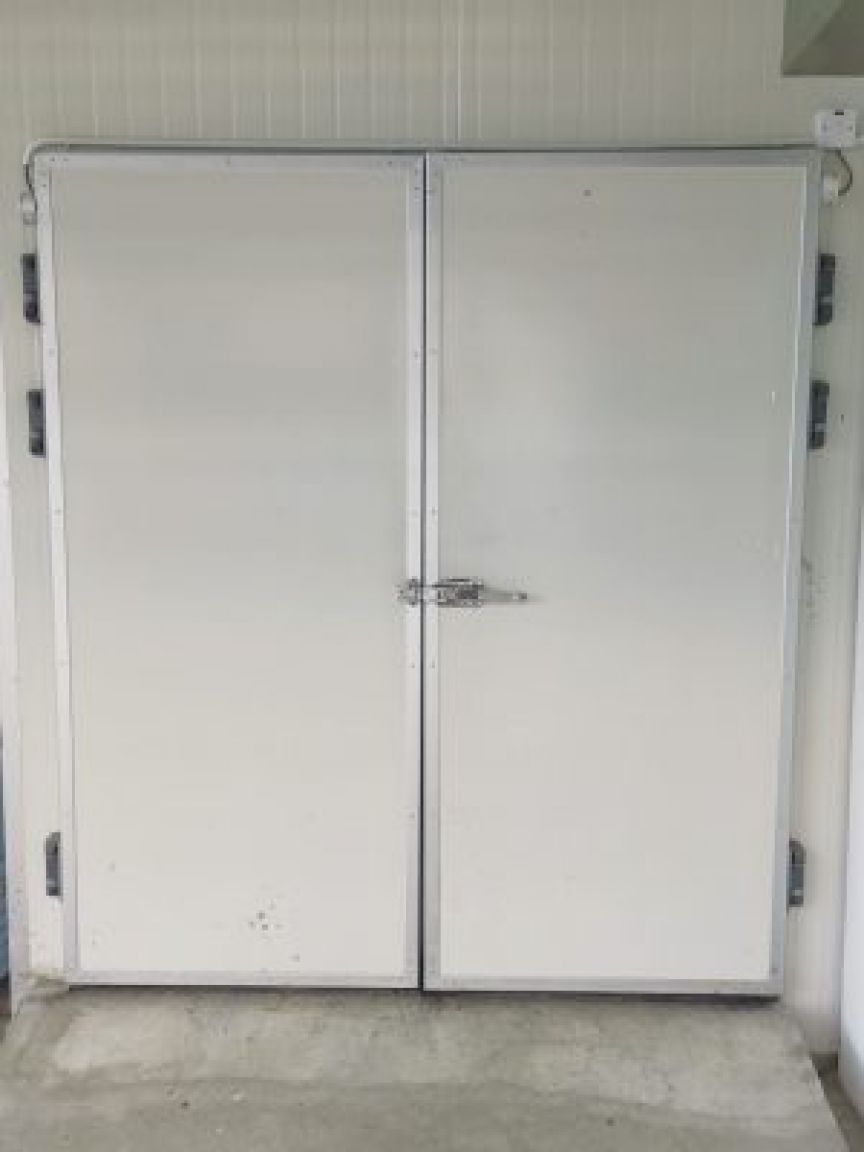
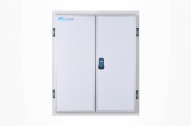
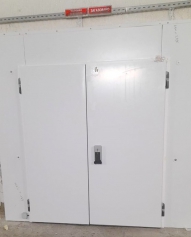
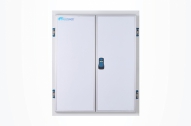
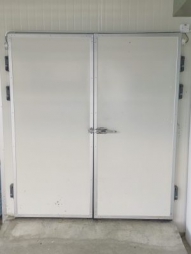
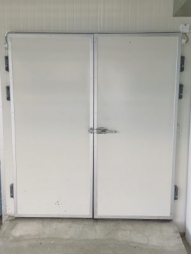
Cold Room Flow Through Paired Doors | Double Hinged Access Guide

Improve cold room traffic flow with paired doors that support wider access, smoother cart movement, better hygiene control, and lower long-term strain.

Cold Room Flow Through Paired Doors

When traffic flow begins to back up at the entrance, a double-hinged cold room door is often the right solution. In high-traffic refrigerated areas, double doors provide a more practical passage for carts, shelves, personnel movement, and cleaning access—without requiring a single large panel to handle the entire load.

This is important because cold room flow isn’t just about getting in and out. It affects labor efficiency, collision risk, temperature control discipline, hygiene routines, and how well the room holds up under daily pressure. When the entrance operates smoothly, the entire cold room functions better.

Flow Issues Often Begin Before Anyone Calls It a Door Problem

In many facilities, the cold room still appears functional on paper long after the entrance has stopped properly supporting operations.

This situation is common in food processing rooms, commercial kitchens, supermarket backrooms, warehouse cold storage units, and distribution areas where there is constant movement at the entrance door. Staff may be moving material carts, oven racks, hand trucks, wheeled boxes, or pallet jacks in and out of the room all day long. When this flow relies on a single door panel that feels too narrow, too heavy, or too cumbersome for the entrance, the problem quickly escalates.

The initial signs are rarely dramatic. Teams hesitate at the threshold. Carts approach at an angle. One person holds the door open while another pushes products inside. The opening becomes a coordination point rather than a smooth passageway. Over time, this friction becomes the norm—and that’s precisely why it goes unnoticed.

A cold room door doesn’t need to break down to become a poor choice. It’s enough for it to slow down the room’s operations frequently enough.

Poor Flow Through the Opening Leads to Real Operating Costs

Flow issues at a double-door opening aren’t just cosmetic. They shape how the room is used every day.

When traffic is forced to pass through an access point that is too restrictive for actual operations, facilities begin to pay the price in the form of small, recurring losses. Labor productivity drops. Transport becomes more difficult. The frequency of collisions with the frame or door leaf increases. The room may still maintain its temperature, but the opening no longer feels compatible with the reality of the operation.

This is critical in American commercial and industrial facilities because the entrance affects multiple pressure points simultaneously:

movement speed during peak shifts

safe passage for vehicles, shelves, and product loads

cleaning time and hygiene access

wear and tear on hinges, gaskets, and hardware

back-of-house organization and the room’s visible condition

the risk of downtime when the opening loses reliability

Therefore, even if a door is technically still operational, it may be the wrong decision in the long run. If traffic flow relies on temporary solutions, the access system is already inadequate.

The Point Where the Single-Door Logic Begins to Break Down

Single doors still make sense in many cold rooms. They are simple, familiar, and generally effective for narrower openings or less intense traffic.

The problem arises when too much is demanded from a single leaf. As the opening widens and activities intensify, managing a single large-leaf door cleanly often becomes difficult. This may require more space, more power, and more careful use than the facility can realistically sustain during daily operations.

This creates various hidden challenges:

staff slow down to manage the door’s opening path

wheeled equipment enters the room less naturally

one side of the opening is subjected to repeated contact pressure

the door is too large for a single person but insufficient for traffic flow

the hardware is strained further because the door panel bears more leverage and impact load

At this point, the issue isn’t whether the door opens and closes. The issue is whether the door still effectively supports the room.

Why Do Double Doors Improve Cold Room Flow?

Double doors solve a specific operational problem: how do we get people and wheeled traffic through a wider refrigerated opening without turning access into a daily struggle?

A double-hinged cold room door divides the opening into two controlled panels. This changes the way traffic moves. Instead of relying on a single large, cumbersome panel, the facility achieves a more balanced access pattern. While one wing can handle lighter routine traffic, both wings can open when operations require a wider opening.

This is where the flow practically improves.

Double-leaf doors can help facilities achieve the following:

smoother passage for wheeled carts and shelving systems

better movement during busy preparation or picking periods

easier access for cleaning and service crews

less difficulty when moving bulky loads

more controlled use of a wider opening

less long-term strain on a single large leaf

Improvement isn’t just about width. It’s about usability. A wider opening helps only when access remains manageable under real-world operating conditions.

A Comparison That Helps Buyers Make Faster Decisions

When buyers evaluate this door style, the core decision isn’t simply “double doors or not.” The real question is which opening format suits actual traffic and room behavior.

Door FormatBest FitMain AdvantageMain Tradeoff
Single hinged doorNarrower openings with lighter daily trafficSimple operationBecomes less comfortable as width and load movement increase
Double hinged cold room doorWider openings with mixed staff and cart trafficBetter flow and more usable opening widthNeeds proper alignment, sealing, and coordinated hardware
Sliding cold room doorOpenings with limited swing clearancePreserves surrounding floor spaceNot always the best match for every back-and-forth workflow
Traffic-style pass-through doorVery frequent internal movement zonesFast passageDoes not replace insulated cold room containment needs in every application

The practical result is clear. If the opening is wide enough to obstruct the movement of a single panel, double doors generally provide a better operational balance.

Double Doors Are About More Than Just Width

Buyers sometimes focus too narrowly on the net opening size. Width is important, but flow depends on several interconnected details.

A cold room opening performs well only when the entire access zone works together. This means that the wings, frame, seals, threshold, floor conditions, hardware, and visibility features must all support traffic flow. If the threshold obstructs wheeled traffic, the wings do not close consistently, or impact protection has been overlooked, a wide double-door opening may still feel inefficient.

The most robust double-door applications typically consider the following:

Traffic Type

Pedestrian use, wheeled racks, material carts, and pallet jack movements do not place the same demands on the opening. The traffic type determines how frequently both wings will be required and how the door system will wear over time.

Threshold Behavior

If staff are struggling with floor transitions, extra width won’t solve the deeper issue. Smooth movement depends on how vehicles and loads pass through the opening.

Sealing and Closing Reliability

In a refrigerated room, better traffic flow cannot be achieved at the expense of proper sealing. The joint between double doors, perimeter sealing, and closure consistency are all critical.

Hygiene and Cleaning Routines

In food environments, wider access generally improves access for washing and cleaning, but this applies only when surfaces, equipment, and details comply with hygiene protocols.

Impact Resistance

Openings subject to repeated shelf or cart traffic must be evaluated not only in terms of door size but also in terms of protection strategy. The system performs better if it can withstand the flow as it is used.

The Right Solution Depends Not Only on the Opening but Also on the Operation

A double-hinged cold room door is a stronger solution when the opening plays an active role in the workflow rather than serving merely as a simple entry point.

This typically means the room experiences repeated daily traffic, broader product movements, or occasional needs for full-width access—situations where a single-leaf door is insufficient. In these environments, double doors reduce the sense that the entrance lags behind the rest of the facility.

At this point, practical design judgment also becomes crucial. The best results are achieved when the opening is evaluated not as an isolated door element, but as an integral part of the room’s actual operational workflow. In projects where access flow, hygiene, and durability are all equally important, the Freezewize Cooling System typically treats double-leaf doors not as an independent component choice but as part of a complete cold room function.

This is often what distinguishes a true upgrade from a door replacement that only partially solves the problem.

Quick Decision Guide

Double-hinged cold room doors are generally the right choice in the following situations:

if the opening is wide enough that a single-leaf door would be insufficient

if vehicles, shelves, or wheeled products frequently pass through the room

if traffic becomes congested during peak periods

if a single large leaf creates concerns regarding control or wear

the room requires better access for cleaning or maintenance work

the long-term cost of ownership is more important than the simplicity of the initial setup

A single door may still be more suitable in the following situations:

the opening width is modest

traffic is primarily pedestrian

daily traffic is low

full-width access is rarely required

operational ease is more important than expanded flow capacity

Related Solutions

If double doors are being considered, it generally makes sense to review the following cold room elements at the same time:

cold room insulated panel systems

refrigerated room doors for standard openings

freezer room door options for low-temperature areas

threshold and floor transition details for cart traffic

door vision panels and impact protection hardware

gaskets, sealing elements, and perimeter hardware for better closure control

cold storage layout planning for high-traffic work areas

These related solutions are important because good flow is typically the result of a coordinated opening system, not a single component.

FAQ

Are double cold room doors better for wide refrigerated openings?

Yes, in many applications they are. When the opening is used for the repeated movement of carts, racks, and personnel, it generally provides better traffic flow and a more practical usable width.

When does a single cold room door cease to be the right choice?

Generally, it still functions but begins to slow down movement, create impact stress, or feel unsuitable for the opening’s actual width and traffic level.

Do double doors help with cleaning access?

Generally, yes. Wider, controlled access can facilitate cleaning tasks, equipment movement, and service entry, particularly in food and preparation environments.

Are double-hinged doors only suitable for large warehouse openings?

No. They can also make sense in supermarkets, commercial kitchens, preparation rooms, and processing areas where workflow demands are high, even if the room isn’t very large.

What should buyers consider before selecting double doors?

They should consider the opening width, traffic type, wheeled traffic, threshold conditions, hygiene routines, exposure to impact, and long-term maintenance expectations.

Can double-leaf doors reduce long-term wear and tear?

If the current issue is that a single leaf is overloaded due to width or traffic patterns, they can help. A more suitable solution typically provides a more balanced daily usage.

Better Flow Through the Opening Improves the Entire Room

In a high-traffic, temperature-controlled environment, the opening should facilitate movement without causing interruptions.

When cold room traffic exceeds the capacity of a single-leaf door, double doors are usually the clearest solution for providing a smoother, wider, and more durable flow.

For facilities reviewing a high-traffic opening, the most beneficial step is to assess how people, vehicles, shelves, and cleaning routines move within the room. This way, the door system can adapt to operations with minimal compromise.


Fill the Form!

Write your needs and fill the form to contact us.

Freezewize | Industrial Cooling Systems & Custom Cold Room Solutions
Merhaba, Size yardımcı olabilir miyiz ?
Whatsapp Destek