




Freezewize | Industrial Cooling Systems & Custom Cold Room Solutions

Wider Swing Paths for Daily Traffic

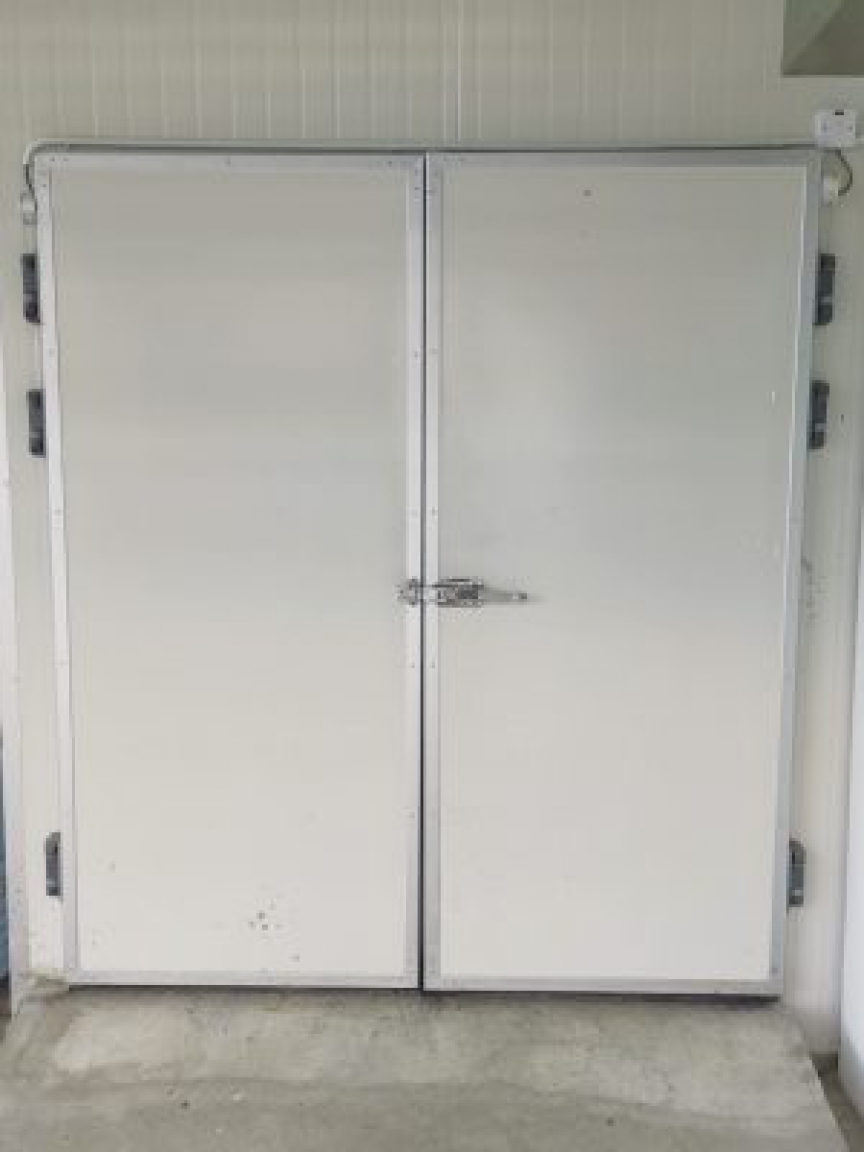
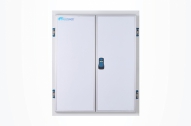
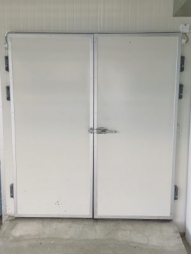
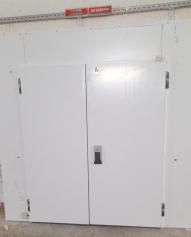
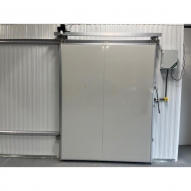
Double Hinged Cold Room Door for Wider Swing Paths in Daily Traffic

Support daily cold room traffic with wider swing paths that improve cart movement, reduce bottlenecks, and help larger openings work more cleanly over time.

Wider Swing Paths for Daily Traffic

In daily traffic, when wider opening areas are needed to pass through a refrigerated opening smoothly, a double-hinged cold room door is often a better choice. In high-volume operations, the issue isn’t just door width. The real concern is whether people, carts, shelves, and product loads can pass through without hesitation, repeated collisions, or constant interruptions.

This matters because the opening path affects more than just convenience. It shapes workforce flow, cleaning access, the load on equipment, corridor behavior, and how well the opening adapts to the room over time. When the opening path becomes too restrictive for daily use, the entire cold room begins to feel slower and less coordinated.

The Problem Usually Starts with Traffic Flow

Most facilities don’t realize the opening has become a problem until staff start adapting to the door.

At first, the cold room still looks functional. The door opens. The room maintains its temperature. The entrance appears adequate on the blueprint. However, in daily use, traffic begins to reveal the incompatibility. Staff slow down as they approach the opening. Extra clearance is needed for wheeled carts to pass through the opening. Carts come to a stop while someone manages the door’s opening. The route for entering and exiting the room becomes more cautious than necessary.

This situation is frequently observed in food production areas, supermarket backrooms, warehouses, commercial kitchens, and refrigerated preparation areas where openings are in constant use throughout the day. The problem isn’t just heavy traffic. The problem is that the door’s swing path itself begins to conflict with the workflow.

A single large door can technically close the opening, but in a high-traffic environment, it may require too much space, too much control, and too much user attention. That’s when the opening stops supporting movement and starts disrupting it.

Why Is the Swing Path More Important Than Many Buyers Expect?

Daily traffic in a cold storage environment is rarely orderly or isolated. It is repetitive, hectic, and filled with operational pressure.

People, material boxes, carts, mobile racks, and material loads enter the area. Teams may cross paths during preparation, restocking, picking, or organizing. Cleaning crews need space to pass through the opening without struggling with the door. Maintenance crews occasionally require full access for service or replacement tasks. Under these conditions, a narrow or awkward opening shape does not remain a minor inconvenience.

This becomes a source of friction in various ways:

staff stop to avoid the door swing area

carts veer off course to pass the swing

traffic in the corridor slows near the opening

the door edge repeatedly comes into contact

the opening feels crowded even when the room isn’t

In U.S. facilities where workforce efficiency, hygiene routines, and throughput are critical every day, this kind of friction creates a real operational cost.

The Risk of Maintaining an Incorrect Opening Pattern

A door doesn’t have to break to become costly.

If the opening path isn’t suited to the opening and traffic flow, the door begins to incur costs through slower movement, more difficult operation, and earlier wear. This cost is rarely dramatic at first. It manifests as small, repeated losses that accumulate over months of use.

Common risks include:

workflow bottlenecks during peak shifts or stocking periods

higher impact exposure on the frame, door edge, or adjacent wall area

increased stress on hinges, door closers, and locking hardware

more difficult cleaning around thresholds and opening areas

staff frustration caused by constant stop-and-go movement

a sense that the entrance is undersized or poorly planned

pressure to replace the rest of the room sooner than it deserves

This is an important distinction that many buyers overlook: even if a door is still functional, it may be the wrong choice in the long run. If the swing path continues to obstruct daily traffic, the opening is not truly fulfilling its function.

Where Single-Panel Access Falls Short

Single-hinged doors still have a clear place within refrigerated facilities. They are practical and efficient for modest openings and lighter usage.

The problem arises as the opening widens and traffic intensifies. A single large panel must trace a wider arc with each use, occupy more surrounding space, and bear a greater physical load. This creates a door that appears sufficiently wide on paper but becomes increasingly impractical in reality.

The opening begins to demand too much from a single movement. A person must control a wider swing. Nearby traffic must account for a wider arc. Wheeled movement must adjust its timing to the opening rather than passing through it naturally. That is when the single-panel door begins to have a counterproductive effect on the room.

The Comparison That Clarifies the Decision

The true comparison is not merely between door width and door width. It is how each access format behaves when the room is under daily pressure.

Access OptionBest FitMain BenefitMain Limitation
Single hinged cold room doorStandard openings with lighter trafficSimple operation and straightforward useWider swing arc becomes less comfortable as opening size and traffic increase
Double hinged cold room doorLarger openings with repeated daily movementWider, more manageable swing paths for mixed trafficRequires proper meeting-edge sealing and hardware coordination
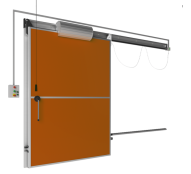
Sliding cold room doorAreas with limited front clearanceNo swing arc into nearby spaceNot always the best answer for every fast in-and-out traffic pattern
Internal traffic door styleVery frequent internal pass-through zonesFast movement through light containment conditionsNot a direct replacement for insulated cold room access in every application

For openings where traffic constantly collides with the opening path, a double-hinged cold room door typically provides a better balance between usable width and controlled movement.

Why Do Double-Hinged Doors Create Better Opening Paths?

A double-hinged cold room door improves traffic flow by dividing a wide opening into two more manageable wing movements.

This changes how the opening behaves in daily use. Instead of a single wide and cumbersome opening path, the room gains a double-leaf structure that can support routine access more flexibly. One leaf can handle lighter entry needs. When more clearance is needed for larger product loads, wider carts, or deeper cleaning access, both leaves can be opened.

This is important because the opening no longer requires handling everything with a single motion. Opening paths become easier to manage, planning around them is simpler, and integrating them into the room’s natural rhythm becomes easier.

Practically, a double-door opening can help with the following:

smoother entry for wheeled carts and material loads

less awkward turning at the threshold

improved corridor movement near the opening

more functional access for cleaning and washing routines

better service access when equipment or room components require maintenance

reduction of the long-term strain caused by a single large panel that eliminates the need for constant use

The advantage isn’t just the expansion of the opening. The advantage is making movement more convenient.

Good Swing Performance Depends on More Than Just the Wings

This is where sound door decisions differ from simple product substitutions.

A wider swing path is only helpful if the rest of the opening supports it. Threshold transitions must be suitable for wheeled traffic. Seal design must ensure a reliable seal. Hardware should be selected not just for initial installation, but for real-world daily cycles. View panels, kick plates, and adjacent wall openings can affect whether the opening remains practical under actual traffic conditions.

Key planning factors include:

Traffic Mix

A doorway shared by personnel movement, vehicles, racks, and pallet jacks creates different demands. The more complex the traffic, the more valuable controlled dual access becomes.

Doorway Context

A wider opening near shelves, prep tables, wall guards, or intersecting corridors requires careful opening planning. The door should support the layout, not obstruct it.

Cleaning Routine

In food environments, daily cleaning is just as important as access. The opening must allow cleaning crews to pass through the door and clean the surrounding area without being constantly obstructed.

Impact Exposure

In areas with repetitive product movement, opening paths must realistically account for the risk of contact. Both the protection strategy and the durability of the hardware are critical.

Long-Term Usage Model

The right solution isn’t the one that seems acceptable on installation day. It’s the one that still feels right after months and years of repeated daily cycles.

The Best Solution for Daily Traffic in Wide Openings

When daily traffic constantly pushes the limits of a single large opening, the answer is usually not to force the same format further. It is to select an access system that suits how the opening is actually used.

When an opening must support regular personnel movement, wheeled access, larger product transfers, and practical cleaning access without creating a bottleneck, a double-hinged cold room door is often a stronger solution. It provides a more balanced approach to managing a wider opening while supporting the performance of the insulated room.

Therefore, the opening should be evaluated not as an isolated door component but as a functional part of the room. The surrounding panel layout, threshold detail, sealing strategy, and hardware selection determine whether the wider swing path will remain functional over time. In this type of application-focused planning, the Freezewize Cooling System should be understood not merely as a door replacement decision, but as a comprehensive room functionality approach.

Quick Decision Guide

Double-hinged cold room doors are generally a better choice in the following situations:

if the opening is wide enough that a single swing path would feel obstructive

if daily traffic involves hand trucks, shelves, boxes, or pallet jacks

if staff frequently cross paths near the entrance

if the existing door slows down traffic during peak periods

if cleaning crews require better access through the opening

if hardware strain or contact damage has already become noticeable

if long-term usability is more important than maintaining the simplest possible design

A single-hinged solution may still yield better results in the following situations:

if the opening width is moderate

if traffic is light and consists mostly of pedestrians

if the clearance around the door leaf is not a recurring issue

if the need for a full-width opening is rare

if the room’s daily flow does not put pressure on the entrance

Related Solutions

Facilities evaluating wider opening paths typically also review other related cold room elements, including the following:

insulated cold room panels

refrigerated room door solutions for standard openings

freezer room doors for low-temperature applications

threshold and floor transition details for wheeled traffic

viewing panels for safer two-way movement

kick plates and impact protection hardware

gaskets, sealing elements, and perimeter components for reliable sealing

cold storage layout planning for high-traffic areas

These related solutions are important because a better opening path typically stems from a better opening system as a whole.

FAQ

Are double-hinged cold room doors better for heavier daily traffic?

Yes, they are in many high-traffic operations. Generally, they provide a more manageable opening model for wider openings where a single large panel would obstruct movement.

Why is the opening path in a cold room important?

Because traffic flow depends not only on the width of the opening but also on how the door moves. If the door swing obstructs personnel, vehicles, or cleaning routines, the room loses efficiency.

Can a single large door still work in a wide opening?

It can, but if the swing path slows down traffic, causes repeated contact, or places too much strain on the hardware, it may still be the wrong choice in the long run.

Do double doors assist with vehicle and shelf movement?

Generally, yes. Dual access makes approaching and exiting the opening easier and creates fewer obstacles for wider or repetitive wheeled movements.

What should buyers consider before selecting this format?

They should review the type of traffic, the width of the opening, the surrounding corridor space, the threshold condition, cleaning routines, exposure to impact, and the expected daily usage volume.

Are double-hinged doors suitable only for large warehouse applications?

No. They can also be highly suitable for supermarkets, kitchens, prep areas, processing rooms, and other refrigerated areas where the opening is constantly exposed to heavy traffic.

Better Swing Paths Lead to Better Daily Operations

In wider openings, the primary goal is not merely to provide greater access. It is to ensure smoother and more functional movement within the room every day.

If daily traffic constantly conflicts with a single large opening path, a double-hinged cold room door is often the clearest path to a cleaner, faster, and more durable opening.

For facilities reviewing an active refrigerated opening, the best approach is to assess how personnel, carts, shelves, and cleaning routines interact with the opening area. This ensures the final door selection supports—rather than disrupts—workflow.


Fill the Form!

Write your needs and fill the form to contact us.

Freezewize | Industrial Cooling Systems & Custom Cold Room Solutions
Merhaba, Size yardımcı olabilir miyiz ?
Whatsapp Destek