




Freezewize | Industrial Cooling Systems & Custom Cold Room Solutions

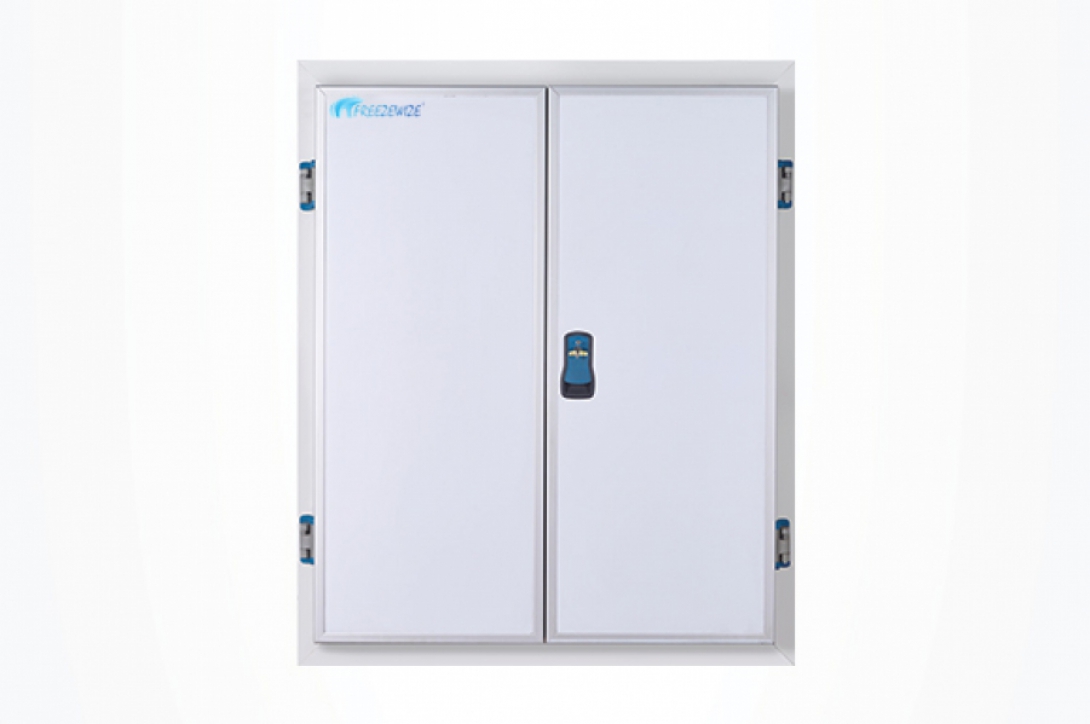
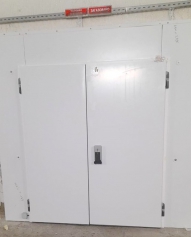
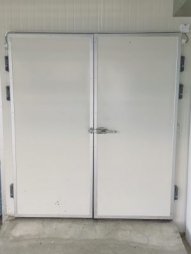
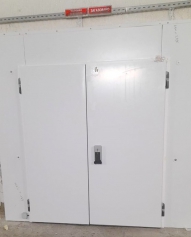
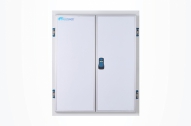
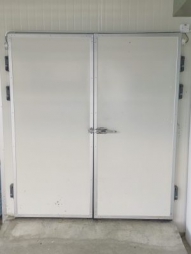
Double Hinged Access for Wider Openings

Double Hinged Cold Room Door for Wider Openings | B2B Access Guide

Improve flow through wide cold room openings with a double hinged door built for carts, racks, cleaning access, and long-term operational reliability.

Double Hinged Access for Wider Openings

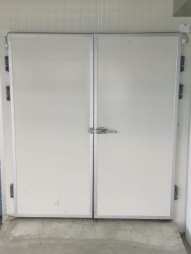
A double-hinged cold room door is a practical choice when a wider opening is needed without turning every entry and exit of a refrigerated space into a workflow issue. It helps facilities move carts, shelves, and personnel more efficiently while maintaining temperature control, usability, and daily durability.

In real-world operations, wide openings are not just a matter of space. They affect how quickly teams can move, how frequently doors are strained, how easily areas are cleaned, and whether the room still meets specifications after months of use. Therefore, in facilities where opening width directly shapes workflow, double-hinged access is the most critical element.

2Wider Openings Change the Daily Pressure on the Cold Room

Most cold room access issues don’t start with insulation failure or cooling performance. They start with the opening.

When a door is too narrow for the room’s actual usage, traffic slows down in small but costly ways. Staff hesitate as they pass through. Operators keep their pallet jacks at an angle to avoid collisions. Cleaning crews struggle in tight corners. Shelves scrape against the frames. The opening becomes a friction point long before anyone identifies it as a problem.

This pressure becomes more pronounced in facilities with frequent entry and exit traffic. Food preparation rooms, processing areas, distribution zones, supermarket backrooms, and commercial kitchens typically require more than a standard passageway. They need a wider opening that supports not just theoretical access, but actual movement patterns.

This is where the double-hinged cold room door comes into play. Instead of trying to provide wider access with a single large panel or a door style that doesn’t fit the operation, the double-panel design creates a larger usable area while keeping the opening more manageable during daily use.

3The True Cost of Choosing the Wrong Access Format

A door may function technically, but it can still be the wrong choice.

This situation typically manifests as subtle yet recurring operational losses. It may maintain the room temperature. The hardware may still open and close. However, the entrance never feels fully suited to the traffic it serves. Over time, this mismatch creates preventable strain on labor, maintenance, and presentation.

Common signs of an improperly sized opening include:

vehicles slowing down at the threshold

repeated contact with panels or frames

uneven wear caused by one-sided use

extra force required to pass through the opening

difficulty cleaning around seals, edges, or hardware

premature wear on hinges, closers, or locking points

the back area appearing worn out faster than expected

These details are important in commercial facilities in the U.S. because they don’t stop at the door. They affect labor efficiency, hygiene routines, inspection readiness, and replacement timing. A wider opening should reduce friction. If it creates more friction, the opening has not been properly sized.

2Why Does a Double-Hinged Design Work Better for Many Wide Openings?

A double-hinged design solves a specific problem: how to provide wider access without making entry difficult, excessively heavy, or cumbersome to use.

In many cold rooms, as width increases, controlling a single large panel becomes more difficult. It requires more space to open, places a greater load on the hardware, and generally feels heavier in daily use. A double-hinged configuration divides this width into two functional panels; this simplifies operation and supports more flexible access.

This is important in several common scenarios:

regular hand truck and rolling shelf movement

wider product transfer paths

situations where pedestrian and equipment traffic mix

service access requiring full-width opening from time to time

cleaning routines that benefit from better full-width entry

rooms that must remain functional without appearing under-equipped

In practice, double-hinged access typically provides a facility with two advantages at once: daily convenience via a single panel when traffic is light, and full-width opening when movement is required.

A Comparison That Truly Simplifies the Purchase Decision

The fundamental decision is rarely simply “door or no door.” The real issue is which access style best suits the opening and traffic flow.

A double-hinged cold room door is not automatically the right answer for every refrigerated opening. However, when the opening is wide and traffic frequency is high, it generally provides a better balance between opening width, usability, and long-term control compared to other options.

Access TypeBest FitMain StrengthMain Limitation
Single hinged doorNarrow to moderate openings with lighter trafficSimple daily useBecomes less practical as width grows
Double hinged cold room doorWider openings with mixed daily trafficBroad access with better leaf controlNeeds correct alignment, sealing, and hardware planning
Sliding doorOpenings where swing space is limitedSaves swing areaNot always ideal for constant mixed traffic or quick back-and-forth movement
Impact-style traffic doorHigh-frequency pass-through zonesFast movement flowNot a substitute for insulated cold room containment in every application

The practical conclusion is simple: if the opening is wider and the operation requires controlled refrigerated access rather than just quick passage, double-hinged access generally becomes a more balanced choice.

Where Wider Double-Hinged Access Provides the Most Value

Not every facility uses the same width. The value of a double-hinged door depends on what actually passes through it and how frequently it passes through.

In food production and preparation areas, the challenges are often wheeled equipment, staff coordination, and cleanability. In supermarkets, it may be restocking products and maintaining an organized warehouse space. In warehouses and cold storage facilities, smoother movement with less contact-related damage is typically a priority. In hospitality and institutional kitchens, timing, hygiene, and repeated access may take precedence during peak service hours.

A wider opening becomes more valuable when it supports the following:

smooth two-way movement of personnel

easier passage of vehicles and material loads

safer transport of bulky or delicate products

less impact on frames and edges

better access for cleaning or maintenance tasks

easier entry into the room during equipment changes or service calls

Therefore, a double-door cold room door is not merely a door product decision. It is a workflow decision.

The Details That Distinguish a Good Door from a Good Long-Term Choice

Wider access performs well only when the supporting details are correct. A double-door system that looks right on paper can still become a maintenance burden if the surrounding system is poorly planned.

For cold room applications, buyers must think beyond the number of panels and focus on how the opening functions as a whole.

Key considerations include:

Opening Width and Traffic Type

The needs of a wide opening primarily used by people differ from those of an opening used by loaded carts or wheeled racks. The type of traffic determines whether the full-width opening will be used intermittently or continuously, which in turn affects the hardware, door panel usage, and wear patterns.

Threshold and Floor Conditions

A door may offer a wide opening, but if the threshold is not suitable for wheeled traffic, it can still slow down traffic. Smooth passage for vehicles and pallet jacks depends on how the floor transition is handled.

Sealing Performance

In refrigerated rooms, wider access must still support temperature containment. As the opening widens, edge sealing, perimeter sealing, and consistent closure become even more critical.

Visibility and Control

In high-traffic back-of-house areas, sight panels and controlled opening behavior can enhance movement safety and reduce accidental collisions.

Cleaning Routine

A door suitable for traffic but resistant to proper cleaning becomes a weak point in food environments. Surface finish, edge details, and hardware compatibility affect hygiene efficiency.

Long-Term Hardware Stress

An improper hinge or closing mechanism may not fail immediately, but it typically shows premature wear in wide, frequently used openings. Proper support is more important than the initial appearance.

Transforming Wider Access into a Functional Solution

The best solution is not simply “choosing double doors.” It is selecting double-hinged access only when the opening, traffic, and room function clearly require it.

This decision becomes even more critical when the room requires a wide entrance yet still depends on controlled, insulated access. In such cases, double-hinged doors can reduce strenuous movements, support smoother circulation, and help the opening feel proportionate to the function it serves.

This is also where the technical specifications become critical. The door, panel system, frame configuration, threshold approach, sealing strategy, hardware selection, and the type of loads passing through the room must all be evaluated together. A wide opening is only successful when the surrounding details support it.

In projects where a balance must be struck between the access point’s cooling performance and daily practicality, the Freezewize Cooling System typically treats the door not as a separate add-on but as an integral part of the room’s overall function. This is often the difference between a door that merely fits the opening and one that truly supports the process.

Quick Decision Guide

Select a double-hinged cold room door if most of the following conditions apply:

if the opening is too wide to be used efficiently with a single large panel

if vehicles, shelves, or bulky products are regularly moved within the room

if full-width access is required at least occasionally

if the room must be kept clean, organized, and operationally controlled

if the load a single, excessively large panel would place on the hardware is a concern

the goal is not just initial installation but low friction over the years

In the following situations, a different type of access may be more suitable:

the opening is relatively narrow

the opening area is severely limited

the usage scenario involves mostly fast-paced traffic rather than an insulated enclosure

full-width access is rarely required and daily traffic is heavy

Related Solutions

Double-hinged openings are typically planned in conjunction with other cold room components that affect performance and usability. Relevant solution areas may include:

cold room insulated panels for full enclosure integrity

freezer and refrigeration room doors for temperature-specific applications

viewing panels and door hardware for safer movement and visibility

threshold and floor transition solutions for smoother cart access

protective kick plates and impact-resistant coatings for high-traffic environments

cold storage design support for layout-focused access planning

FAQ

Are double-hinged cold room doors better suited for wider openings?

Yes. They provide a wider opening without loading the entire width onto a single heavy panel; this generally improves usability and reduces the daily load on the entrance.

Is double-hinged access suitable for carts and wheeled racks?

In many facilities, yes. It is particularly useful in situations where a wider passage opening helps reduce contact damage, difficult turns, and slow movement through the opening.

Does a wider single door serve the same purpose?

Sometimes, but it doesn’t always yield good results. As width increases, a single-leaf door can become harder to operate, place greater stress on the hardware, and become less practical for daily, repetitive use.

Is maintenance harder for double-hinged doors?

No, if designed correctly. Poor alignment, weak hardware choices, or inadequate sealing design lead to maintenance issues more frequently than the double-door concept itself.

Is this door style suitable for both cold rooms and refrigerated preparation areas?

Yes, provided the opening width, traffic flow, and hygiene requirements support it. The key is to tailor the door installation to the room’s actual operational use.

What is the most important factor before purchasing?

The actual traffic pattern through the opening. Width alone is not sufficient. Buyers must assess who uses the opening, what passes through it, how frequently it is opened, and how much long-term wear the entrance will be exposed to.

A Better Wide Opening Should Feel Better Every Day

When a refrigerated opening requires more width, the goal is not simply to enlarge the door opening. The goal is to ensure the room functions better under real-world daily demands.

If the opening is wide and traffic is heavy, double-hinged access is typically the most practical solution for a cleaner, smoother, and more durable result.

For facilities planning a new cold room or retrofitting an opening with poor performance, the right next step is to evaluate the type of traffic, the opening width, and long-term usage together. This ensures the access solution supports operations from day one.


Fill the Form!

Write your needs and fill the form to contact us.

Freezewize | Industrial Cooling Systems & Custom Cold Room Solutions
Merhaba, Size yardımcı olabilir miyiz ?
Whatsapp Destek