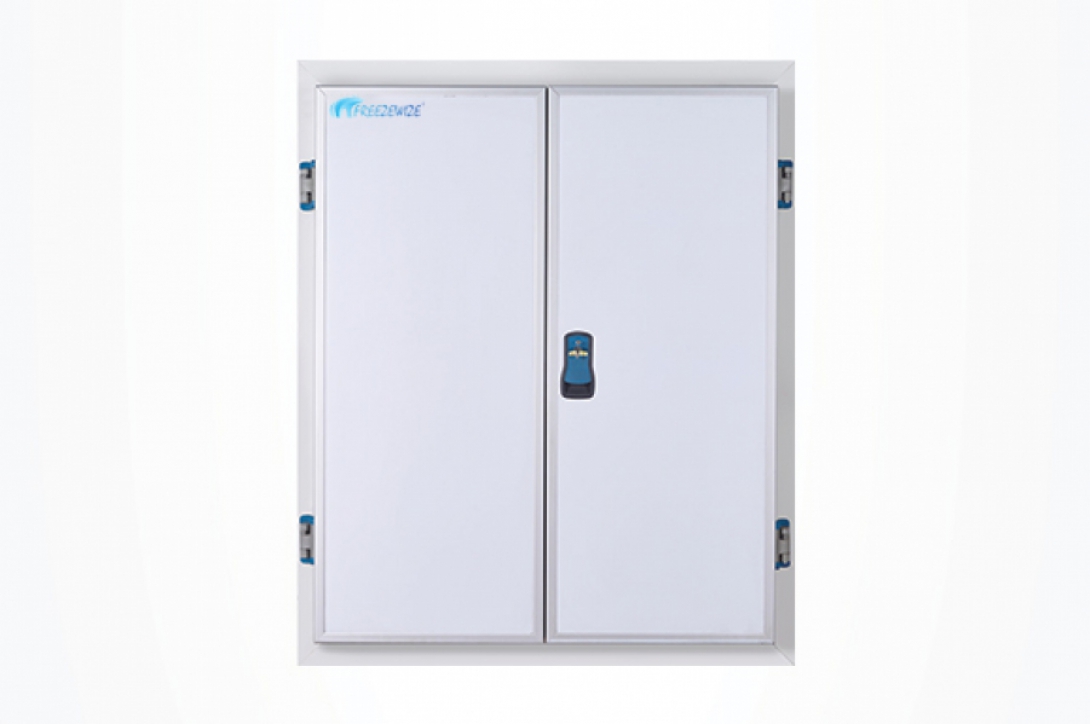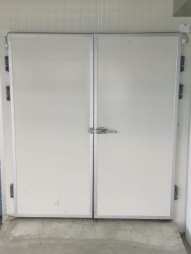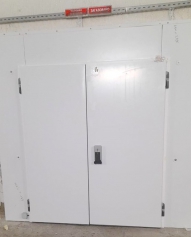





Double Hinged Doors Under Repeated Use
Double Hinged Cold Room Door for Repeated Use | Durability Guide
Built for repeated daily cycles, double hinged cold room doors help reduce entry strain, support wider traffic, and protect long-term cold room performance.
Double Hinged Doors Under Repeated Use
A double-hinged cold room door is generally a better long-term choice in situations where the entrance is subjected to daily repeated use due to personnel, vehicles, shelves, and routine cleaning activities. In high-intensity refrigerated environments, the key question isn’t just whether the door works today. The real question is whether the opening will still be efficient, controlled, and maintain its proper characteristics after thousands of opening cycles.
Therefore, repeated use changes the purchasing decision. A door that appears acceptable on installation day can become a constant source of disruption if the panels, hardware, gaskets, and opening behavior are not suited to daily operational demands. In cold rooms, durability is not separate from workflow; it is part of the workflow.
Repeated Use Quickly Exposes Weak Access Decisions
Most decisions regarding cold room doors revolve around opening size, temperature requirements, and the simplicity of the initial cost. These are important factors, but they do not always reflect how the opening is actually used once the room is operational.
In active facilities, repeated use is the true test. Personnel enter and exit during preparation, setup, restocking, and shift changes. During production, wheeled racks pass through. Material carts, boxes, and pallet jacks approach the opening from different angles. Cleaning crews enter the room during washing and sanitation routines. Service personnel require an accessible opening when equipment or internal components require maintenance.
At this point, the door is no longer just an insulated barrier. It becomes part of the room’s operational rhythm.
This is where poor choices begin to show. The opening feels heavier than expected. The swing path starts to obstruct traffic. The hardware is subjected to more daily stress than the room specifications anticipate. The door still functions, but using the opening becomes more difficult than it should be.
Repetition Causes Wear Long Before a Failure
The most costly issues with cold room doors rarely begin with a dramatic failure. They begin with repeated strain.
Every opening cycle applies a certain amount of pressure to the hinges, latches, closers, gaskets, and door edges. In a low-traffic environment, this may not create a significant problem for a long time. In a high-traffic food facility, warehouse, processing room, supermarket backroom, or commercial kitchen, however, these cycles accumulate rapidly.
This repeated use can lead to:
hinge fatigue caused by the daily opening and closing load
premature gasket wear due to inconsistent closing
increasing misalignment caused by repeated impact or rough handling
more pronounced wear around the threshold and surrounding hardware
the need for increased maintenance to ensure the door opens normally
staff having to move more slowly to compensate for a door that becomes harder to open over time
Therefore, repeated use must be considered a decision factor from the very beginning. A cold room door doesn’t have to break to become costly; it’s enough for it to simply become difficult to use.
The Risk of Choosing a Door That Only Works on Paper
A door may technically meet the specifications, but it can still be the wrong solution in the long run.
This risk is particularly high in wider openings where a single access point serves both pedestrian traffic and wheeled equipment. If the opening is in constant use, the door must do more than just provide insulation. It must remain manageable, durable, and predictable under real-world conditions.
When the wrong access format persists, facilities often silently absorb the cost:
entry slows down during peak periods
vehicles and carts make more contact with the frame or sash
the hardware requires more attention sooner than expected
cleaning around the door becomes more difficult
the entrance area begins to look older than the rest of the facility
staff work around the opening instead of passing through it naturally
the facility repeatedly experiences the feeling that the entrance was inadequately built for actual use
This final point is more important than it appears at first glance. In professional environments, performance under repeated use shapes the confidence placed in the entire room.
Why Does Repeated Use Change the Game for Double-Hinged Doors?
A double-hinged cold room door typically performs better under repeated use because it distributes the workload across a more balanced opening configuration.
Instead of requiring a single large panel to bear the full opening load and full cycle load across its entire width, the double-hinged design divides the opening into two more manageable sections. This changes how the door behaves under daily stress. It becomes easier to control, easier to open for routine access, and more practical when full width is needed for larger movements.
This does not mean that double-hinged doors are automatically better in every situation. It generally makes more sense in situations where the opening is wide, traffic is repetitive, and the access point needs to remain reliable without becoming a constant maintenance burden.
In many facilities, double-hinged access supports repeated use by improving the following:
the daily manageability of the opening
the distribution of traffic passing through the entrance
wider passage for wheeled equipment when needed
full access for service and cleaning
long-term usability in an environment with a high cycle count
Repeated use isn’t just about durability. It concerns whether the door still supports the room after the novelty of the installation has worn off.
A Comparison That Helps Buyers Think Beyond Initial Use
The most useful comparison is not between a “good door” and a “bad door.” It is between access formats that age differently under real-world traffic.
| Access Format | Best Fit | Main Advantage | Main Concern Under Repeated Use |
|---|---|---|---|
| Single hinged cold room door | Standard openings with lighter traffic | Simple daily operation | One leaf may carry too much swing load and traffic pressure over time |
| Double hinged cold room door | Wider openings with frequent mixed use | Better workload distribution and more flexible access | Requires proper alignment, sealing, and hardware planning |
| Sliding cold room door | Areas with limited swing space | Saves surrounding clearance | Track, sealing, and usage pattern may not suit every repeated-use workflow |
| Light traffic pass-through format | Fast internal movement in selective areas | Easy passage | Not always suitable where insulated containment and durability must stay primary |
For repeated-use conditions, the question should be simple: which door format remains practical not just after installation, but after continuous cycles?
What Actually Supports Durability Under Repeated Use
A cold room door does not become durable simply because of its label. Repeated-use performance depends on how the entire opening is designed and specified.
The most important factors are typically sash size, hinge quality, gasket design, closing consistency, threshold behavior, exposure to impact, and traffic type. A wide opening primarily used by personnel has different demands than an opening serving wheeled racks all day long. A food processing room that is frequently cleaned may place greater demands on surface cleanability and closing reliability. A distribution area may require better tolerance for repeated equipment movements and more demanding daily use.
In repeated use, there are a few details that sometimes matter more than buyers might expect:
Opening Width and Leaf Load
As width increases, managing a single large leaf can become more difficult and place greater stress on the hardware. Dividing the opening generally improves long-term practicality.
Traffic Pattern
Repeated pedestrian use differs from repeated mixed use involving vehicles, racks, or pallet jacks. The door should be designed for the most demanding daily conditions, not the easiest ones.
Threshold and Floor Transition
Even if a door is durable on paper, it can cause problems if the threshold slows down wheeled traffic or causes repeated impacts at the entrance.
Seal Reliability
In cold rooms, wear and tear is not limited to visible hardware. Seal and closure consistency are critical, as repeated use should not silently compromise sealing performance.
Cleaning and Hygiene Routine
A door used continuously in food environments must be practical to clean. Surfaces, edges, and hardware layout affect long-term suitability.
Impact Protection
Repeated use typically involves repeated contact. Protective plates, surrounding hardware, and surrounding wall details can help the opening withstand real-world conditions better.
The Best Solution Is the One That’s Easy to Use
If an opening will be subjected to repeated cycles every day, the best solution is rarely one that merely meets technical requirements. The best solution is one that remains easy to use even after months of wear and tear.
This is where a double-hinged cold room door typically becomes a more robust choice. In wider and higher-traffic openings, it can reduce the load on a single panel, improve the flow through the entrance, and better adapt to daily traffic over the long term. The value lies not just in wider access, but in more sustainable access.
For this reason, the opening should be evaluated not as an independent product component but as a functioning system. The surrounding panel structure, threshold conditions, hardware strategy, visibility, and expected traffic cycle all shape long-term performance. In practical cold room planning, the Freezewize Cooling System is best understood not as a simple door replacement but from a full-system perspective.
Quick Decision Guide
Double-hinged cold room doors are generally more suitable in the following situations:
if the opening is wide and used many times daily
if personnel traffic combines with vehicles, shelves, or pallet jacks
if repeated cleaning and sanitation access is expected at the facility
if a single large door panel would significantly increase the daily opening and closing load
if long-term hardware wear is a concern
if the goal is not just a functional installation, but smoother operation over time
A single-hinged door may still be a better option in the following situations:
the opening is relatively narrow
traffic is light and mostly pedestrian
full-width access occurs only occasionally
the room does not subject the entrance to a high daily cycle load
simplicity is valued over greater access flexibility
Related Solutions
Facilities evaluating performance under repeated use typically assess the following cold room components simultaneously:
cold room insulated panel systems
cold room doors for standard daily access conditions
freezer room door options for low-temperature applications
threshold and floor transition details for wheeled traffic
viewing panels for safer traffic awareness
kick plates and impact-resistant hardware
gaskets, sealing elements, and perimeter sealing components
cold storage layout planning for high-cycle work areas
These related solutions are important because repeated-use performance typically stems not just from the door design, but from the entire opening environment.
FAQ
Are double-hinged cold room doors better for repeated daily use?
At many access points with wider and heavier traffic, yes. Generally, they provide a better long-term balance between access, control, and traffic management compared to a single large-leaf door.
What causes cold room doors to wear out faster with repeated use?
Frequent opening cycles, mixed traffic, rough handling, exposure to impact, poor threshold conditions, and inconsistent closing all contribute to faster wear.
Does repeated use always mean a double-hinged door is necessary?
No. The right choice still depends on the opening width, traffic type, and operating pressure. However, repeated use becomes a strong reason to consider a double-leaf door in situations where a single leaf would be overloaded.
Can a door still be the wrong choice even if it doesn’t fail?
Yes. A door can still function while causing daily wear and tear, extra stress on hardware, cleaning difficulties, and increased maintenance burdens.
What should buyers consider before selecting a door solution for repeated use?
They should evaluate the opening width, cycle frequency, traffic mix, wheeled movement, threshold design, sealing performance, cleaning routine, and long-term maintenance tolerance.
Do double-hinged doors help reduce long-term ownership costs?
They generally do, especially when they reduce daily wear and tear, improve movement, and prevent a single large panel from becoming the room’s weak point.
A High-Frequency Door Must Remain Reliable Without Becoming a Daily Concern
In active cold rooms, high-frequency use is not an exception. It is the norm.
When a door is expected to perform consistently through daily cycles, a double-hinged cold room door is often a smarter choice for maintaining usability, durability, and long-term operational suitability.
For facilities planning a new room or reviewing an entrance that appears overloaded, the right next step is to assess how frequently the door opens and closes, what passes through it, and how much long-term load the opening is actually expected to absorb.