




Freezewize | Industrial Cooling Systems & Custom Cold Room Solutions

Reducing Wear at Busy Openings

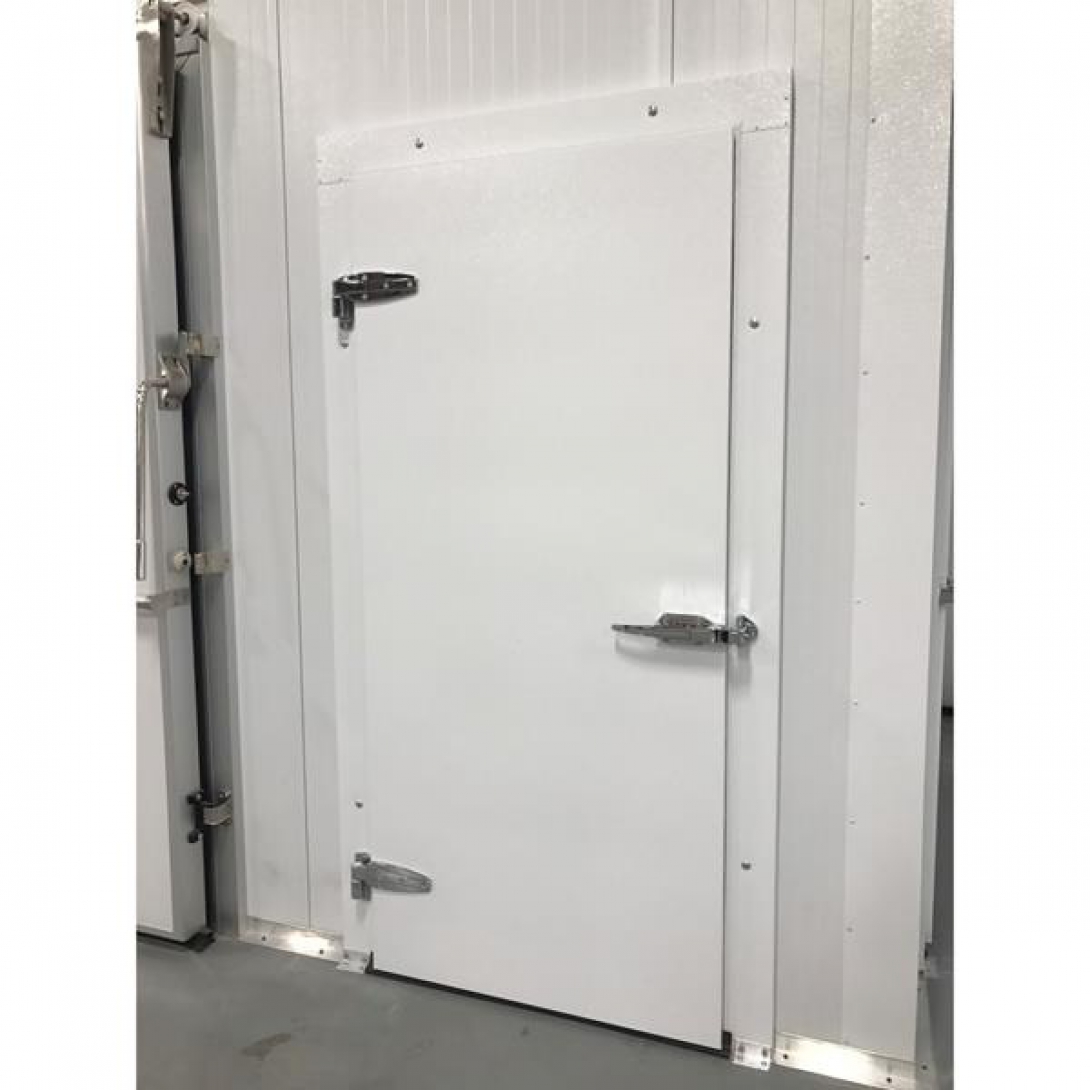
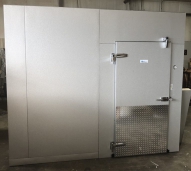
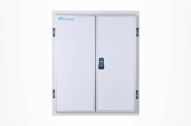
Hinged Cold Room Door for Busy Openings and Lower Wear

Reduce wear at busy openings with a hinged cold room door built for traffic, impact control, easier cleaning, and longer-term daily performance.

Reducing Wear at Busy Openings

A hinged cold room door can reduce wear in high-traffic openings when selected not just based on opening size, but according to the actual traffic pattern. In cold rooms and refrigerated work areas used daily, wear typically begins along the door seal due to repeated contact, rushed movements, cart contact, hardware fatigue, and inconsistent closing behavior.

Therefore, high-traffic entrances require more than just a door that provides a seal. These entrances need a solution that protects the room from daily abuse, supports a smoother flow, and maintains its finish, hardware, and usability under constant operational stress.

High-Traffic Openings Wear Out Faster Than Buyers Expect

Most decisions regarding cold room doors seem reasonable during the planning phase. The opening dimensions are correct, the room closes properly, and the door appears suitable for the application. The real pressure begins once the facility starts operating at full capacity.

In supermarkets, food processing support rooms, commercial kitchens, warehouses, and refrigerated preparation areas, the door opening becomes one of the points in the room subjected to the most physical stress. Staff move quickly. Carts pass close to the frame. Products are left near the opening. Handles are pulled repeatedly. The bottom of the door is subjected to impacts. Hinges and locking components operate continuously. Cleaning crews wipe the same surfaces over and over again.

This is where the significance of wear and tear becomes apparent. The reason is not that the door is defective, but that the opening is forced to handle a daily workload far exceeding what was intended for a light-duty entrance.

Door Opening Wear Is Primarily an Operational Issue

Visible wear in cold rooms is rarely just a cosmetic issue. It usually indicates a deeper operational mismatch.

When a heavily used door opening wears out quickly, the facility typically begins to deal with:

More edge impacts and bottom panel damage

Faster fatigue in hinges, locks, and closing hardware

Worn gaskets that make it difficult to maintain consistent temperature control

Increased maintenance attention required for alignment and sealing

More visible aging in the back area that needs to remain clean

More friction during cleaning and inspection routines

Replacement planning sooner than expected

The key point is that wear creates resistance long before it causes a failure. A door can continue to operate while constantly increasing costs, maintenance burdens, and the feeling that the entrance is inadequate for the job.

The Wrong Door Keeps Working Until It Starts Creating Too Much Cost

This is one of the most common issues encountered in high-traffic, temperature-controlled environments. The door functions technically, but the opening begins to wear out prematurely. Staff stop trusting the door to close properly. The bottom section looks older than the rest of the room. Seals wear out more quickly. The hardware requires more frequent adjustments. The entrance becomes a maintenance issue rather than a reliable part of operations.

Therefore, reducing wear should be addressed not as a finishing detail but as a performance issue. In the U.S. market, where labor costs, minimizing downtime, hygiene expectations, and total cost of ownership are all critical, premature wear in a high-traffic entrance indicates that the door was chosen for initial installation rather than for long-term use.

A product may be acceptable on day one, but if it is exposed to constant traffic and repeated impacts at the entrance, it may still be the wrong choice in the long run.

Wear Typically Starts in Predictable Areas

In entrances with heavy traffic, wear rarely occurs randomly. It typically reoccurs at the same stress points.

The most common wear areas are:

The lower sections of the door exposed to vehicles and heavy foot traffic

Handle areas subject to repeated hand contact

Stress points on the hinge side with high cycle counts

Latch and closing areas where misalignment begins

Threshold transitions where movement and cleaning intersect

Frame edges exposed to side contact or stacking pressure

Seals exposed to repeated compression and contamination

When buyers begin to consider not just the door panel but also the wear zones, the selection logic becomes much clearer. The question is no longer whether the door fits. The question is whether the clearance is maintained where actual damage occurs.

Standard Access vs. Wear Management Access

The most useful comparison is typically between a basic access door and a hinged solution designed for heavy-duty wear management.

Decision FactorBasic Hinged EntryWear-Managed Hinged Entry
Daily traffic toleranceModerateStronger
Lower-edge protectionLimitedBetter controlled
Hardware life under repeated cyclesMore variableMore stable in busy use
Visual aging at the openingShows soonerSlows premature wear
Gasket and closing consistencyMore likely to driftBetter suited to sustained use
Maintenance burdenOften rises earlierMore predictable over time
Best fitLighter access patternsBusy daily openings

This is not about unnecessarily complicating the door. It is about adapting the entrance to the actual level of abuse it will face.

The Better Solution Is to Design Based on Wear Patterns

Reducing wear in a high-traffic opening usually stems from better planning, not reacting with temporary fixes like patching later.

For many applications, the right answer is a hinged cold room door designed with the opening’s actual stress points in mind. This usually means paying closer attention to the door panel’s durability, hinge strength, latch reliability, seal quality, bottom panel protection, impact-resistant details, and threshold behavior. In some facilities, a viewing panel also helps reduce contact by increasing awareness of fast-moving traffic.

The surrounding clearance is just as important as the door itself. If the floor transition is uneven, vehicles will hit it harder. If the loading area entrance is blocked, the door is exposed to more side contact. If the opening direction conflicts with the workflow, the frequency of impacts increases. If the kick plate area is unprotected, visible wear appears early.

This is where the Freezewize Cooling System comes into play. Better long-term results are typically achieved by reviewing the entire opening as a system—including door structure, panel interfaces, hardware exposure, threshold conditions, traffic patterns, and cleaning requirements.

High-Traffic Openings Require More Than Just Durability Claims

Many products are described as durable. This word alone isn’t very helpful. High-traffic openings require durability in specific areas where operational stress is concentrated.

This means asking better questions during the selection process:

Where will vehicles or carts make the most contact?

How often will staff pass through the door during a typical shift?

Is the threshold suitable for repeated movement and cleaning?

Will the door’s opening path cause preventable side impacts?

Are the hardware and gaskets suitable for continuous use?

Does the opening require protective features to maintain reliability over time?

These questions typically lead to a better decision than focusing solely on door thickness or initial appearance.

Quick Decision Guide

A hinged cold room door is generally the right choice for openings with heavy traffic in the following situations:

The room is a location with heavy daily personnel traffic

There is light hand-cart movement in the opening or activity near the door

The facility requires simpler manual access with better wear control

Cleaning and inspection routines require a reliable and manageable entry point

The project can address impact zones, hardware exposure, and threshold details early on

Carefully consider alternatives or a heavier-duty configuration in the following situations:

The opening is exposed to repeated rolling impacts throughout the day

If traffic volume is high enough to exceed the capacity of a lightweight door

If the layout forces constant side contact or abrupt swinging motion

If the room already shows early wear along the bottom door edge

If maintenance tolerance is low and replacement timing is critical

The best decision is typically the one that prevents the entrance from wearing out faster than the surrounding room.

Related Solutions

Projects focused on reducing wear in high-traffic entrances typically benefit by considering the following related solutions simultaneously:

Cold room door systems for daily use in refrigerated access

Freezer room door options for applications requiring colder temperatures and higher airtightness

Cold room wall panels for stronger opening integration

Kick plates and impact protection for high-contact door areas

Viewing panel configurations for safer traffic awareness

Threshold and floor transition details for smoother passage alongside hand trucks

Protective hardware options for demanding backroom use

FAQ

Why do cold room doors wear out faster at high-traffic entrances?

Because the door entry point is subjected to repeated contact from personnel, carts, cleaning routines, and constant opening cycles. The pressure concentrates at the access point rather than being evenly distributed throughout the room.

Can a hinged cold room door handle heavy daily traffic?

Yes, if it is designed for this workload. A properly selected hinged solution can perform very well in high-traffic cold environments, especially when wear-prone areas are addressed early on.

Where does wear typically appear first?

Most early wear is seen at the bottom of the door, at hardware contact points, on hinges, in latch areas, on thresholds, and on exposed frame edges.

Does reducing wear also reduce maintenance needs?

In most cases, yes. Better wear control generally means fewer adjustments, slower visual aging, longer seal life, and less need to address damaged edges or strained hardware.

Should impact protection be considered when selecting a door?

Absolutely. If the opening is heavily used, protective details should be considered from the outset rather than added only after visible damage has begun.

Is reducing wear primarily about appearance?

No. Appearance is important, but the bigger issue is operational reliability. Wear typically leads to more maintenance, inconsistent closing performance, and the need for earlier replacement.

Conclusion

Reducing wear in high-traffic openings starts with selecting a door engineered to handle the actual traffic, contact, and cycles the opening will encounter.

If the entrance is designed to withstand daily use without becoming the next maintenance issue, a hinged cold room door is the right choice. If your project involves a refrigerated opening with heavy traffic, reviewing wear-prone areas early on can help preserve workflow, appearance, and long-term value.


Fill the Form!

Write your needs and fill the form to contact us.

Freezewize | Industrial Cooling Systems & Custom Cold Room Solutions
Merhaba, Size yardımcı olabilir miyiz ?
Whatsapp Destek