




Cold Room Access Without Hardware Strain
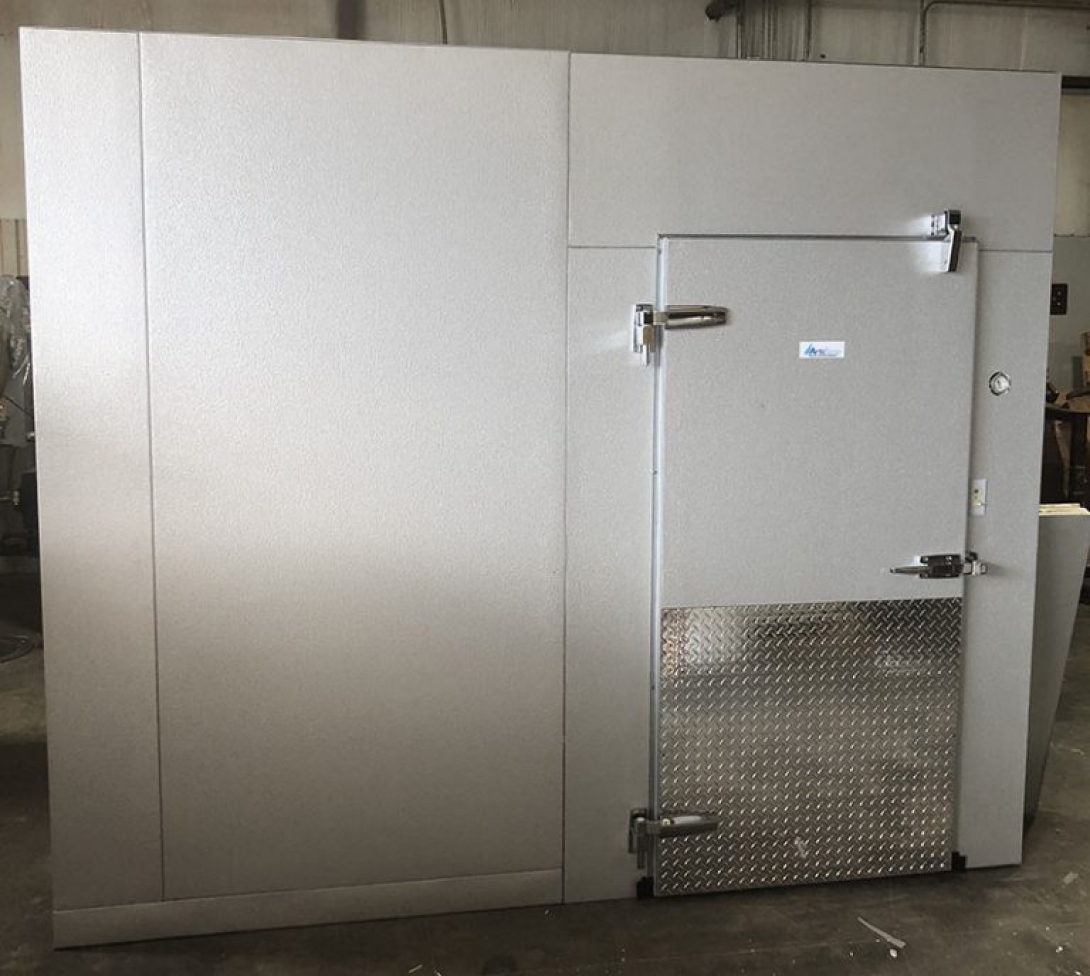
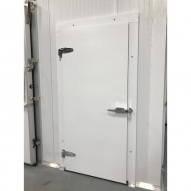
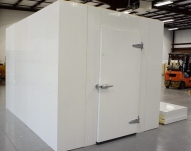
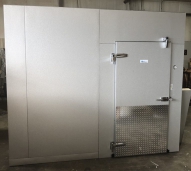
Hinged Cold Room Door for Access Without Hardware Strain
Reduce hardware strain at busy cold room entries with the right hinged cold room door, better access control, cleaner movement, and lower long-term maintenance.
Cold Room Access Without Hardware Strain
A hinged cold room door supports better long-term performance when the opening is planned to reduce strain on hinges, latches, handles, seals, and closing hardware from the start. In daily-use cold rooms, hardware problems usually do not begin with defective parts. They begin when the entry is asked to absorb more force, more traffic, and more misuse than the opening was really designed to handle.
That is why access without hardware strain matters. A cold room entrance that feels easy and controlled in daily use usually lasts longer, needs fewer adjustments, and creates less maintenance pressure across the life of the room.
Hardware Strain Usually Starts With a Bad Access Pattern
Most cold room projects do not fail because someone forgot the door. They fail because the door was treated as a closing panel instead of a working access point.
In real facilities, cold room entries take constant stress. Staff move fast. Hands are full. Carts pass near the frame. The door gets pushed wider, pulled harder, or allowed to slam shut. In some rooms, the swing path is awkward. In others, the opening is too exposed to side contact. Sometimes the leaf size is acceptable on paper but too demanding for the daily rhythm around it.
That is when hardware starts absorbing the mistake. Hinges carry repeated stress. Latches lose their clean action. Handles loosen earlier than they should. Alignment drifts. Gasket pressure becomes less consistent. The door still functions, but the opening starts asking for more attention than the rest of the room.
The Problem Is Not Just Worn Hardware
When hardware strain builds at a cold entry, the problem is larger than the hardware itself. It usually signals that the doorway is working against the operation.
That shows up in several ways. Staff begin forcing the door instead of moving through it naturally. Closing becomes less smooth. Maintenance teams adjust the same entry more often. Cleaning crews work around door behavior that feels rough or inconsistent. Managers notice that one doorway seems to age faster than the rest of the installation.
In U.S. food, storage, and processing environments, that kind of strain creates real cost. It affects labor flow, daily reliability, service calls, and replacement timing. A door that creates hardware strain rarely stays a small issue for long.
Strain Turns a Good-Looking Entry Into a Maintenance Entry
One of the biggest mistakes in cold room planning is assuming that hardware strain will be solved later with a stronger hinge, a replacement latch, or a more durable handle. Sometimes those changes help, but they often treat the symptom instead of the real cause.
A strained entry usually comes from one or more of these conditions:
The opening sees more daily cycles than expected
The swing pattern does not fit the workflow
Staff approach the door from awkward angles
The leaf takes repeated impact near the bottom or edge
The doorway sits too close to shelving, carts, or prep activity
The door closes under stress instead of controlled use
Hardware selection did not match the real operating pace
That is why a door can be technically functional and still be the wrong long-term choice. If the access pattern creates hardware strain every day, the opening slowly becomes a maintenance burden even while it still opens and closes.
Hardware Strain Is a Reliability Warning
At a cold entry, hardware wear is often the first visible sign of a deeper mismatch. It tells you that the door is carrying more force than it should.
That matters because the hardware line is where reliability is won or lost. Once the hinges, latch points, strike areas, and handles start taking repeated unnatural load, the rest of the opening begins to follow. Seal pressure becomes less consistent. The frame can feel less true. Staff lose confidence in the way the door behaves. What began as a hardware issue becomes an entry performance issue.
This is especially important in rooms with frequent staff access, repeated short trips, visible back-of-house standards, and low tolerance for downtime. In these conditions, the right answer is not simply stronger components. It is less strain built into the opening.
Basic Access vs. Hardware-Aware Access
The most useful comparison is often not between one door category and another. It is between a doorway that puts stress into the hardware and one that removes stress from the access logic.
| Decision Factor | Basic Hinged Entry | Hardware-Aware Hinged Entry |
|---|---|---|
| Daily opening force | Often higher over time | Better controlled |
| Hinge and latch strain | Builds faster | Reduced through better fit |
| Alignment stability | More likely to drift | Better long-term consistency |
| Staff handling behavior | More forced movement | More natural daily use |
| Maintenance burden | Rises sooner | More predictable |
| Seal consistency | Can weaken with strain | Better preserved |
| Best fit | General access | Daily-use cold entries needing lower hardware stress |
This distinction matters because many cold room doors do not fail from lack of insulation or basic structure. They fail from repeated force at the wrong points.
The Better Solution Is to Reduce Force at the Opening
A better cold room entry is one that makes daily use easier on the hardware. That usually means improving the suitability of the full doorway rather than simply upgrading individual parts.
In practice, that often includes matching the leaf size to the opening behavior, choosing hardware suited to the cycle count, protecting likely impact areas, planning the right swing direction, reducing interference from nearby equipment, and keeping the threshold and floor transition from adding drag to movement. It can also mean improving visibility at the entry so staff do not rush through blind approaches and stress the door during crossing.
This is where The Freezewize Cooling System becomes relevant in a practical way. The strongest cold room entries are usually the ones designed as working access zones, where panels, frame conditions, seals, hardware, traffic flow, and service expectations are considered together rather than as separate decisions.
Less Hardware Strain Also Means Cleaner Daily Use
When a door moves well, closes cleanly, and stays aligned, the whole room benefits. Staff use the opening with less force. Cleaning teams work around a more predictable entry. Maintenance becomes more routine instead of reactive. The doorway keeps a better appearance because the hardware line is not constantly being overworked.
That is why reducing hardware strain is not just a durability issue. It also improves workflow, hygiene discipline, and the visible quality of the room. In many facilities, the entry that feels easiest to use is also the one that stays credible the longest.
What Low-Strain Cold Room Access Usually Looks Like
A cold room entry without hardware strain usually has a few clear traits. It does not ask for excess force. It does not fight the user. It does not make the hinge side, latch side, or handle line feel like stress points after a short time in service.
It usually reflects the following choices:
Controlled daily traffic rather than chaotic crossing
A swing pattern that suits the room layout
Hardware specified for real cycle frequency
Lower-edge protection where contact risk is predictable
A threshold condition that does not create drag or awkward movement
Good seal performance without forcing the closing action
A doorway that fits staff behavior instead of resisting it
These are not cosmetic decisions. They are the practical conditions that keep hardware from becoming the weak link in a busy refrigerated opening.
Quick Decision Guide
A hinged cold room door is usually the right choice for access without hardware strain when:
The opening serves frequent daily staff movement
Traffic is mostly people and light cart-adjacent activity
The room benefits from direct, simple manual access
The layout allows a clean, controlled swing path
The project can match hardware quality to real cycle count
Maintenance teams want lower adjustment frequency over time
Take a closer look before finalizing when:
The door will see repeated hard opening or slamming
Nearby equipment or staging creates constant side contact
The opening is too large for comfortable daily manual use
Traffic is heavy enough to overload a standard hinge-and-latch setup
The room already has a history of hardware fatigue at similar entries
The best decision is the one that keeps the hardware from carrying forces the doorway design should have prevented.
Related Solutions
If the project is focused on reducing hardware strain at the entry, these related solution areas are often worth reviewing together:
Cooler room doors for high-frequency daily access
Cold room wall panels for stronger frame and opening integration
Kick plates and impact protection for wear-prone lower sections
Threshold and floor transition details for smoother entry movement
Vision panel options for safer cross-traffic awareness
Freezer room door configurations for lower-temperature openings with tighter sealing demands
Protective hardware packages for more demanding back-of-house use
FAQ
What causes hardware strain on a cold room door?
Hardware strain usually comes from repeated force, poor swing planning, misaligned traffic flow, impact near the opening, and hardware that was not specified for the room’s real daily use.
Can a hinged cold room door reduce maintenance problems?
Yes. When the doorway is planned correctly, a hinged cold room door can reduce unnecessary load on hinges, latches, handles, and seals, which helps lower maintenance pressure over time.
Is hardware strain only about poor-quality parts?
No. Part quality matters, but many hardware problems begin because the doorway layout, traffic pattern, or access logic puts too much stress on otherwise acceptable components.
What signs show that a door is operating under hardware strain?
Common signs include harder opening or closing, loose handles, hinge fatigue, latch inconsistency, alignment drift, worn strike points, and seals that stop performing evenly.
Should contractors evaluate traffic flow before choosing the door hardware?
Absolutely. Hardware selection should reflect real cycle count, movement direction, likely impact zones, and the pace of daily use, not just the opening size.
Does reducing hardware strain also improve reliability?
In many cases, yes. Less strain usually means better alignment, steadier closing behavior, slower wear, fewer service interruptions, and a longer useful life for the full opening.
Conclusion
Cold room access without hardware strain comes from treating the entry as a working operational zone, not just a door opening.
A hinged cold room door is the right choice when the opening is designed to reduce force, protect hardware, and stay dependable under daily use. If your facility is reviewing a busy refrigerated entry, a better access design today can prevent years of avoidable adjustment, wear, and maintenance pressure later.