




Freezewize | Industrial Cooling Systems & Custom Cold Room Solutions

When Single Doors Stop Working

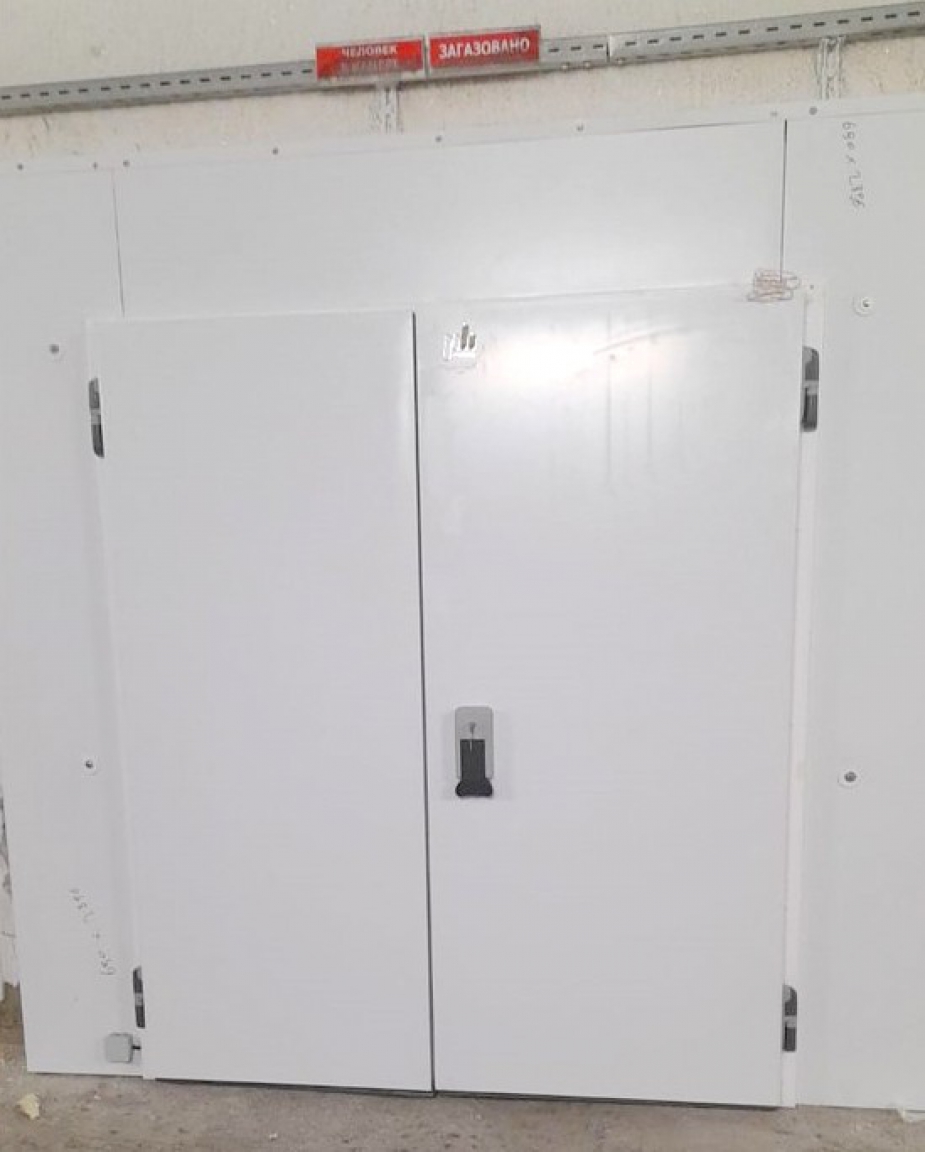
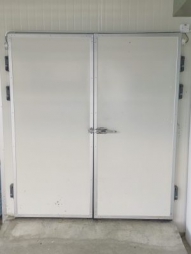
Double Hinged Cold Room Door for High-Traffic Openings | B2B Guide

When single cold room doors slow traffic, strain hardware, and disrupt workflow, double hinged access helps restore wider, cleaner, more reliable daily movement.

When Single Doors Stop Working

When a single door begins to create resistance rather than providing access, the double-hinged cold room door becomes the right solution. In wider openings and busier cold rooms, single-leaf doors often become impractical. They slow down vehicle movement, increase impact stress, and turn a routine entry point into a daily operational problem.

This transition usually occurs gradually. At first, the door still functions. However, as traffic increases, cleaning routines intensify, and larger loads pass through the room more frequently, a single door may begin to feel inadequate, cumbersome, or out of sync with the facility. It is at this point that double-hinged access ceases to be optional and becomes mandatory.

The Problem Starts at the Entrance

Most cold room performance issues do not stem from the refrigeration equipment. They stem from access.

A facility may have the correct temperature, the right panels, and the appropriate room size, yet it can still lose efficiency because the entrance door no longer aligns with the space’s actual usage patterns. This situation is common in commercial kitchens, food production rooms, distribution areas, warehouse cold storage units, supermarket backrooms, and processing facilities where the entrance bears more daily pressure than what’s on paper.

When traffic is light, the entrance is modest, and movement is mostly pedestrian, a single door usually works well. However, when carts, wheeled racks, material loads, packaging flow, or staff repeatedly passing through become part of the routine, the access point begins to take on a larger operational role.

That’s when friction becomes apparent.

Teams start making angled maneuvers to get carts through the entrance. Staff wait for each other instead of moving in a natural flow. Hinges and hardware are subjected to repeated stress caused by heavier movements and wider swings. Cleaning around the edges and thresholds becomes more difficult. The room still functions, but the door begins to feel like the weakest link in the system.

The Single Door Is Still Working, But It’s Not Working Well

Many facilities get stuck at this point. The door hasn’t failed, so replacement is postponed. However, the real issue isn’t the failure. The issue is suitability.

A single-hinged cold room door may technically remain operational, but it can still become the wrong choice for the entrance. This mismatch typically manifests in ways that reduce efficiency before a formal maintenance decision is made.

Common signs include:

slowing movement of carts and shelves passing through the opening

repeated contact with the frame or threshold

requiring more force to open and maneuver the door

congestion during peak operating hours

increased wear on hinges, gaskets, or locking points

a door that appears worn out sooner than the rest of the room

growing frustration among staff who use it daily

In U.S. facilities where labor efficiency, cleaning speed, food safety routines, and control of downtime are critical, these are not minor inconveniences. These are practical signs that the access configuration no longer fits the operation.

The Risk of Waiting Too Long

The risk isn’t just that a single door becomes a nuisance. The risk is that this leads to preventable costs.

When the wrong access configuration persists, the problem spreads to more parts of the operation. Movements slow down and become less predictable. Collisions occur more frequently. Door hardware works harder than it should. Thresholds wear out faster. Staff adapt to the door opening rather than passing through it properly. Over time, even if the rest of the cold room remains sound, the room begins to feel under-equipped.

This situation can lead to:

higher maintenance burden

pressure to replace sooner

more workflow interruptions during peak hours

a weaker appearance of the back end

more difficult cleaning routines

decreased confidence in long-term durability

a constant feeling that the room entrance wasn’t designed for actual use

A door doesn’t have to break to become expensive. It’s enough for it to slow down the room’s operations frequently enough.

Why Double-Hinged Access Solves the Problem

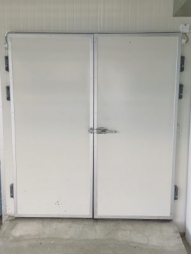
A double-hinged cold room door addresses a specific operational condition: the point where the opening width and traffic flow exceed the practicality of a single-leaf door.

Instead of loading the entire task onto a single large panel, the opening is divided into two manageable panels. This changes the door’s behavior during daily use. It improves control, distributes movement more naturally, and makes wider access less cumbersome for people and equipment.

This matters because wide openings aren’t just about space. They’re about how easily that space can be used under pressure.

In many cold rooms, double-hinged access improves:

passage for vehicles, racks, and wheeled products

traffic flow during peak operating periods

access flexibility when only partial opening is needed

full-width access for cleaning, service, or product transfer

long-term door usage throughout repetitive daily cycles

The advantage isn’t theoretical. It’s operational. A double-hinged opening is more proportionate to broader daily use; this is exactly what many growing facilities need when a single door begins to feel like a compromise.

Key Comparison

The decision is not whether double doors look sturdier. The decision is whether the opening now requires a different access logic.

A single-leaf door remains the simplest solution for smaller openings and lighter use. However, as the opening expands and daily traffic becomes heavier or more complex, the question changes. The better option is typically the one that supports movement with less stress, less difficulty, and less long-term wear and tear.

Access OptionBest Use CaseStrengthLimitation
Single hinged doorNarrow to moderate openings with lighter trafficSimple and familiar daily useBecomes less efficient as width and traffic increase
Double hinged cold room doorWider openings with regular staff and equipment movementBetter balance of access width and controlRequires proper alignment, sealing, and hardware planning
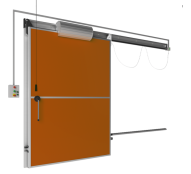
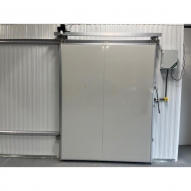
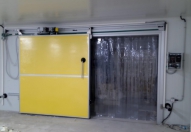
Sliding cold room doorAreas with limited swing spaceSaves clearance in front of the openingNot always the best fit for every back-and-forth traffic pattern

The key point is simple: when an opening becomes too demanding for a single-leaf door, expanding the access strategy is usually a wiser choice than forcing a single door to continue performing a task it is no longer suited for.

Where Double-Hinged Doors Make the Most Sense

Not every wide opening requires the same solution. The right choice depends on what passes through the room, how frequently it passes through, and how much daily control the facility requires.

Double-hinged cold room doors are generally well-suited for the following locations:

refrigerated preparation rooms with recurring material flow

food processing areas with wheeled equipment movement

cold storage rooms with frequent handcart or shelf access

supermarket backrooms with high stock replenishment demands

commercial kitchens with tight service schedules

facilities where daily cleaning and inspection preparation are critical

In these environments, the door is not just an opening in the wall—it is part of the workflow. If this workflow is extensive, repetitive, and physically demanding, double-hinged access typically performs more naturally than a single large panel.

Details That Make the Upgrade Worthwhile

Not every double door automatically becomes a better solution. Value comes from adapting the door system to the actual working environment.

This means considering more than just the number of panels. A wider access point delivers the best performance when the surrounding details are determined by the same logic.

The most critical factors typically include opening width, traffic type, hinge durability, sealing performance, threshold conditions, exposure to impact, and cleaning routines. A room with frequent vehicle traffic may require a different threshold and protection approach compared to a room focused primarily on personnel traffic and hygiene standards. A visible back-of-house area may place greater emphasis on finish quality and consistent sealing. A more demanding work environment may require a stronger hardware strategy from the outset.

This is where project experience becomes crucial. The best results are achieved when the door opening is treated as an integral part of the room’s operational system. In practical cold room planning, the Freezewize Cooling System typically addresses wide-opening access not merely as a door specification, but primarily as a workflow decision.

Quick Decision Guide

A double-hinged cold room door is generally a more robust choice in the following situations:

if the opening is too wide for a single-leaf door to be efficient

if vehicles, shelves, or bulky products frequently pass through the room

if personnel traffic causes congestion at the entrance

if a single large-leaf door feels heavy, cumbersome, or overloaded

if hardware wear has become a recurring issue

if the facility requires a more durable and long-term access solution

In the following situations, a single-leaf door may still be the better choice:

the opening is relatively narrow

traffic is light and primarily pedestrian

full-width access is rarely required

the operation benefits more from simplicity than from an expanded opening

Related Solutions

Facilities evaluating double-hinged access typically also consider adjacent cold room components at the same time. The most relevant solutions typically include:

cold room insulated panel systems

cold room door solutions for openings with lower traffic

freezer room access doors for low-temperature environments

viewing panels and door hardware options

threshold and floor transition details for wheeled traffic

protective plates, gaskets, and perimeter hardware for high-traffic openings

These related elements are important because a door upgrade yields the best results when the surrounding opening is treated as a complete access zone.

FAQ

When should a facility replace a single-leaf cold room door with a double-hinged door?

The best time is when the single-leaf door is still operational but can no longer efficiently support the opening. If traffic, width, or equipment flow has outgrown the current configuration, the decision to replace is typically made before a complete failure occurs.

Are double-hinged cold room doors better for carts and wheeled racks?

In many applications, yes. They are generally better suited for wider, more active openings where wheeled traffic requires a more practical opening and less strenuous entry procedures.

Does a double-hinged door reduce maintenance issues?

The main issue is that when a single panel must serve an opening that has become too wide or too strenuous, this may be possible. The advantage stems not just from adding another panel, but from better suitability.

Is double-hinged access always better for wide openings?

Not always. The correct answer still depends on the opening area, traffic flow, room usage, and temperature control needs. However, if a single door has clearly become a daily problem, double-hinged access is generally a more balanced solution.

What should buyers consider before choosing this door style?

They should consider the opening width, daily traffic, equipment movement, cleaning requirements, exposure to impact, and long-term ownership expectations. The best decision stems not just from the width of the opening, but from how it is used.

Wider Access Becomes Necessary Before Issues Become Apparent

When single doors stop functioning properly, the problem rarely takes a dramatic turn at first. It manifests as friction, jamming, wear, and daily compromises.

If the cold room opening has outgrown the practicality of a single-leaf door, a double-hinged door is typically the clearest path back to efficient access.

For facilities evaluating a wider refrigerated opening, the next step is to assess how people, vehicles, shelves, and cleaning routines move within this space to ensure the access solution can support the room over the long term.


Fill the Form!

Write your needs and fill the form to contact us.

Freezewize | Industrial Cooling Systems & Custom Cold Room Solutions
Merhaba, Size yardımcı olabilir miyiz ?
Whatsapp Destek