




Freezewize | Industrial Cooling Systems & Custom Cold Room Solutions

Automatic Freezer Access Without Delay

Automatic Freezer Access Without Delay | Automatic Sliding Freezer Door Guide

Reduce freezer traffic delays, door wear, and workflow friction with an automatic sliding freezer door built for faster access, cleaner operation, and lower strain.

Automatic Freezer Access Without Delay

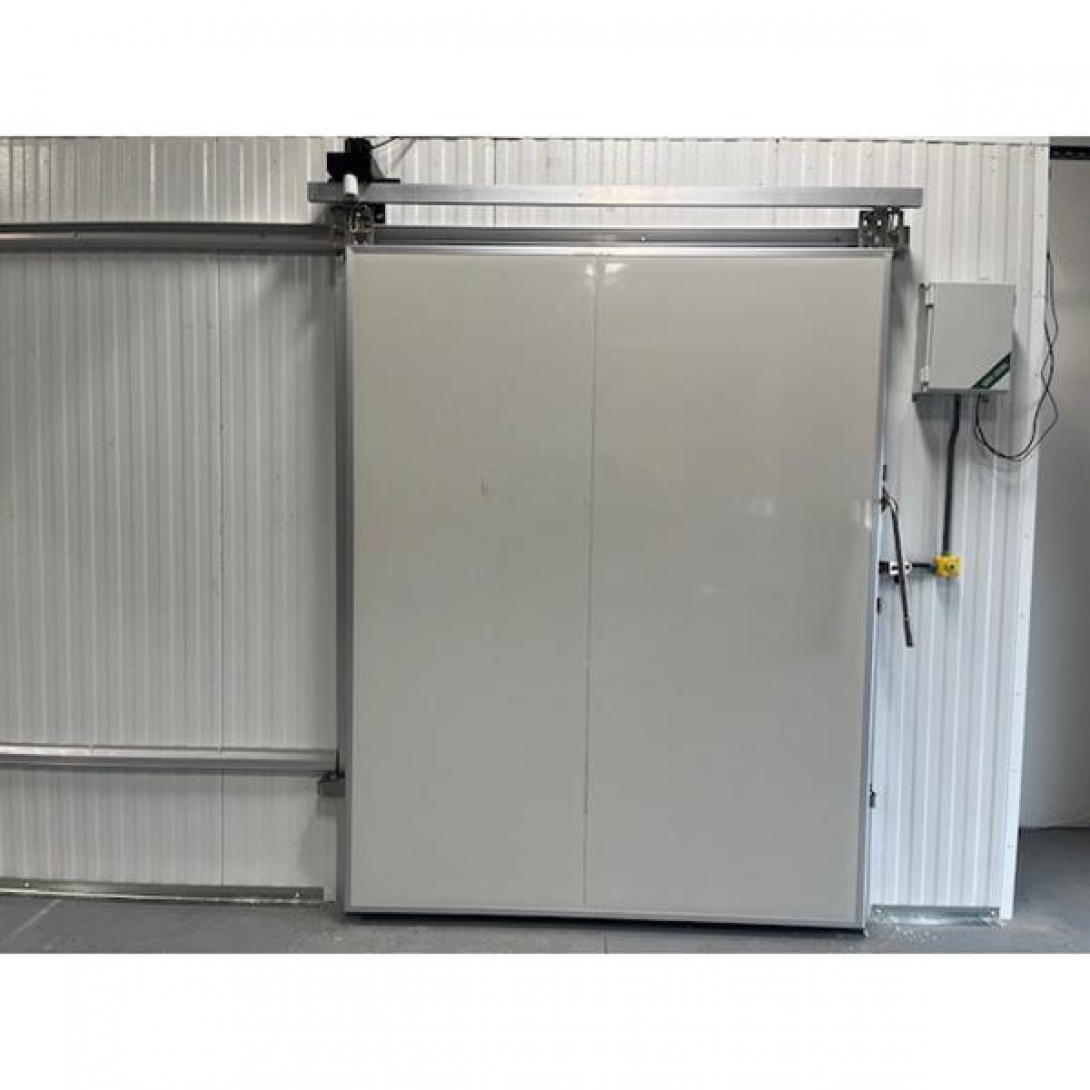
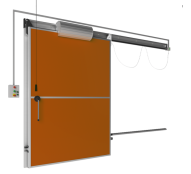
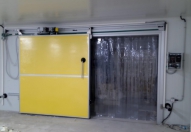
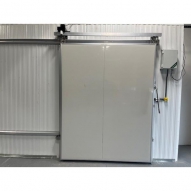
An automatic freezer sliding door is the ideal choice when freezer access must remain fast, controlled, and reliable despite the daily pressure of traffic. In high-traffic environments, access delays don’t stay minor for long. They result in slowed workflow, temperature loss, impact damage, and increasing maintenance pressure around one of the busiest points in the room.

That is why freezer access must be viewed as an operational system, not just a simple door opening. When carts, pallet jacks, staff movement, cleaning routines, and temperature protection all converge at the same threshold, the entrance must respond without hesitation and without creating new friction.

Where Delays Come From

Most freezer access problems don’t start with a total failure. They start with small daily interruptions that management teams notice over time.

A freezer door may still open and close, yet remain a poor choice for operations. Staff wait a few extra seconds. Traffic hesitates at the threshold. Open-close cycles become irregular. Forklift traffic slows down. Seals experience more wear than expected. The opening becomes a point of hesitation rather than a smooth part of the workflow.

In a freezer environment, these small inefficiencies matter more than in air-conditioned spaces. The stakes are higher because every entry not only affects traffic flow but also temperature maintenance, frost control, and daily workflow.

For many facilities, the real question isn’t whether the door works. The real question is whether it adapts to how the room is actually used.

The Cost of Slow Freezer Access

When freezer access is slowed down, the problem extends beyond the door itself.

A slow or poorly adapted entrance can lead to:

  • Longer opening times during repeated traffic.
  • Increased thermal stress at the opening.
  • An increased risk of frost buildup around rails, frames, or thresholds.
  • Increased wear on gaskets due to repeated manual forces or misalignment.
  • Interference with carts and pallet jacks during peak traffic periods.
  • More visible operational frustration for staff.
  • Pressure to replace the door sooner than expected.

This is why choosing a cold room door often becomes a hidden total cost of ownership issue. An unsuitable opening may seem acceptable on paper, but in practice, it can lead to a maintenance burden, a risk of downtime, and the lingering feeling that the access point was undersized from the start.

Why traffic patterns in cold rooms influence the decision

Access to a cold room is rarely limited to simply passing through an opening. It’s about how that opening performs under stress.

A low-traffic room, used only a few times a day, has specific needs. A production cold room, a distribution corridor, a back-of-house service area in a supermarket, or a storage area in a food processing plant has different ones. In these environments, the access point must withstand repeated movements without forcing employees to slow down, brace themselves, pull, wait, or adjust the door during routine use.

This is where an automatic sliding door for cold storage becomes a smart operational choice. It eliminates some of the manual effort at one of the busiest points of contact in the cold storage room. Instead of relying on repeated manual handling, opening becomes smoother, more controlled, and easier to integrate into a fast-paced workflow within the cold storage room.

Manual Access vs. Automatic Control

The key comparison isn’t simply automatic versus manual. Rather, it’s delayed movement versus controlled movement.

A manual sliding door can still be a solid choice in the right context, particularly when traffic is moderate and the operating pattern is predictable. But as soon as access frequency increases, or when the opening must allow for uninterrupted movement of carts and repeated entry by staff, automation often becomes the most stable long-term solution.

A swing door may be suitable for certain openings, but it can become a constraint in freezers where headroom, traffic flow, and repeated passage are critical. The swing arc, the risk of impact, and the interruption of traffic flow can all become sources of problems.

An automatic sliding freezer door is generally the best solution when operations require speed without chaotic movement and access without repeated physical interruptions.

Quick Comparison

OptionBest FitMain AdvantageMain Limitation
Automatic sliding freezer doorFrequent traffic, carts, pallet jack movement, controlled freezer accessFast, repeatable access with less manual handlingHigher system complexity than basic manual options
Manual sliding freezer doorModerate traffic, predictable use, simpler access pointsLower initial system simplicitySlower pass-through under repeated daily use
Swing freezer doorSmaller openings, lighter traffic, simple entry patternsFamiliar opening styleCan interrupt flow and require more clearance

Option Best fit Main advantage Main limitation

Automatic sliding freezer door Heavy traffic, carts, pallet jack movement, controlled access to the freezer Fast, repeatable access with less manual handling System complexity greater than that of basic manual options

Manual freezer sliding door Moderate traffic, predictable use, simpler access points Less initial system simplicity Slower passage with repeated daily use

Freezer swing door Smaller openings, lighter traffic, simple entry patterns Familiar opening style May interrupt flow and require more clearance space

The right solution for high-pressure openings

When accessing the freezer is part of a time-sensitive operation, automation is not just a convenient feature. It is a way to protect the flow.

A well-chosen automatic freezer sliding door must enable the opening to fulfill five functions effectively:

  • Open quickly without hesitation
  • Close with consistent reliability
  • Ensure the freezer remains airtight
  • Withstand the daily movements of personnel and equipment
  • Reduce avoidable wear caused by manual force and rushed use

This combination is essential in cold storage facilities, food handling operations, supermarket backrooms, distribution areas, and processing plants where the entrance is in constant use and judged daily on the smoothness of its operation.

Under these conditions, the Freezewize cooling system is generally not viewed as a simple door supplier’s approach, but as a broader vision of the cold room access solution. This is important because freezer openings function best when the door, frame, sealing logic, hardware, surrounding panels, threshold details, and traffic patterns are all considered together.

What does good automatic freezer access look like?

A well-designed automatic system should feel like it operates seamlessly, in the best possible way.

It should allow staff to approach, pass through, and continue on without having to struggle to open the door. It should reduce unnecessary handling. It should help keep the threshold cleaner. It should help preserve the integrity of the freezer enclosure. And it should do so without turning service access into a headache.

In practice, this often means evaluating more than just the door leaf itself. The surrounding conditions matter:

  • Opening width and clear passage requirements.
  • Use of carts, shelving, and pallet jacks.
  • Frequency of staff-only traffic versus mixed traffic (staff and equipment).
  • Floor condition and threshold exposure.
  • Performance of seals and gaskets under freezing conditions.
  • Visibility requirements, such as viewing panels.
  • Protective details around impact-prone areas.
  • Service accessibility for sensors, controls, and equipment.

A robust door system isn’t just one that looks sturdy. It’s one that continues to function at the facility’s actual pace.

Pressure regarding hygiene and inspection

In many U.S. facilities, access design is also influenced by hygiene routines and inspection expectations. A cold room entrance that creates awkward angles, hard-to-manage buildup, or premature visible wear can become a weak point in an otherwise rigorous operation.

This is particularly true in food production, processing, and commercial kitchen environments, where teams are concerned not only with thermal performance but also with how the opening looks during cleaning and daily supervision.

An automatic sliding freezer door allows for a more controlled opening mechanism, which often helps reduce rough handling and accidental damage that cause freezer entrances to age prematurely. This does not eliminate the need for maintenance, but it can reduce the daily abuse that accelerates that maintenance in the first place.

Long-Term Ownership Logic

Savvy buyers don’t evaluate a freezer door solely based on its purchase price. They evaluate it based on its operational suitability.

A low-friction access point can help reduce work interruptions, unnecessary opening times, strain on seals, and avoidable impacts. Over time, it is these details that determine whether the opening remains an asset or becomes a source of recurring complaints.

That is why the long-term question is simple: does this door fit the way we actually operate, or just the opening size we measured?

When automation adapts to traffic flow, the case for purchasing gains strength, as the system aligns with daily use rather than hindering it.

Quick Decision Guide

Choose an automatic freezer sliding door when:

  • The opening must handle heavy daily traffic.
  • Staff need quick access without repeated manual handling.
  • The movement of carts or pallet jacks is common.
  • Maintaining temperature is a constant concern.
  • The entrance is a known source of slowdowns.
  • The facility wants cleaner and better-controlled access to the freezer.

A manual option may still be a good choice when:

  • Traffic is lighter and less frequent.
  • The opening does not constitute a bottleneck in the workflow.
  • Simplicity takes precedence over speed.
  • Access to the room follows a more predictable pattern.

A swing-door option may be suitable when:

  • The opening is smaller.
  • Clear space is available.
  • Traffic volume is low.
  • Equipment movement is limited.

Related Solutions

Depending on the application, an automatic freezer sliding door is often specified in conjunction with related cold room components, such as:

Cold room insulation panels

Heavy-duty cold room hardware

Heated thresholds and anti-icing details

Manual freezer sliding doors for low-traffic areas

Cold room swing doors for secondary access

Impact protection and vision panel options

Solutions for cold room and freezer room projects

These related solutions are important because freezer access works best when the opening is considered an integral part of the room’s overall operating system.

FAQ

Is an automatic freezer sliding door preferable to a manual sliding door?

It is generally preferable when traffic is frequent, rapid access is important, and personnel or equipment pass through repeatedly. In low-traffic rooms, a manual sliding door may still be suitable.

Where is an automatic freezer sliding door most useful?

It is particularly useful in cold storage facilities, food processing plants, supermarkets, distribution operations, and commercial facilities where freezer openings are subject to regular daily traffic.

Does automation help reduce friction in the workflow?

Yes. It can reduce downtime, manual effort, and repetitive handling at the opening, helping the door keep pace with activity rather than slowing it down.

What should buyers consider before making their choice?

Opening width, traffic frequency, equipment movement, cleaning routines, sealing requirements, freezer temperature requirements, and access for maintenance must all be evaluated before selection.

Is this limited to very large facilities?

No. The deciding factor isn’t just the size of the facility. It’s whether the freezer opening is a daily bottleneck or a high-traffic access point.

Can an unsuitable automatic door cause problems?

Yes. Even an automated system can be a poor choice if it doesn’t match the room layout, traffic patterns, or maintenance expectations. The right fit matters more than the number of features.

Faster access improves freezer performance

When accessing the freezer slows people down, it ultimately slows down all operations. A properly selected automatic sliding door improves much more than just entry speed. It helps maintain workflow, temperature compliance, and long-term reliability at one of the room’s most critical bottlenecks.

If access to the freezer is part of the bottleneck, the door is no longer a detail; it is a decisive factor.

For teams planning a new cold room or the modernization of an existing opening, a solution tailored by professionals is the surest way to reduce delays without creating new maintenance issues down the line.


Fill the Form!

Write your needs and fill the form to contact us.

Freezewize | Industrial Cooling Systems & Custom Cold Room Solutions
Merhaba, Size yardımcı olabilir miyiz ?
Whatsapp Destek