




Freezewize | Industrial Cooling Systems & Custom Cold Room Solutions

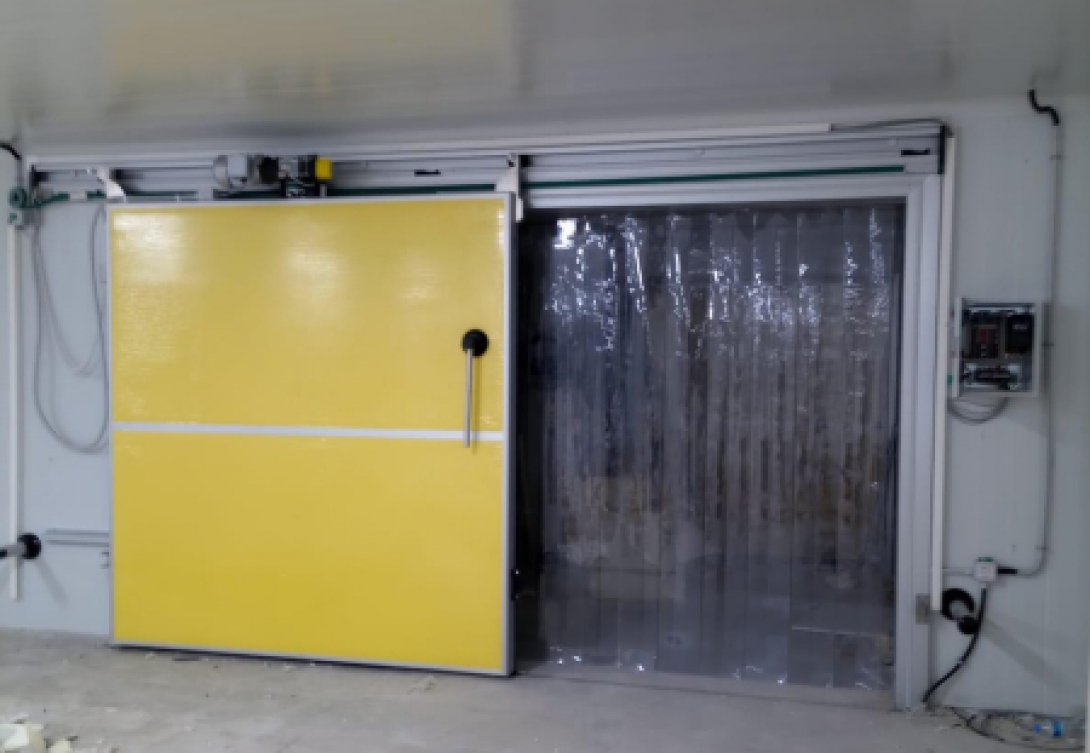
Automatic Sliding Doors Under Constant Use

Automatic Sliding Doors Under Constant Use | Freezer Door Performance

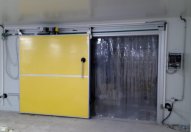
Keep high-use freezer openings moving with an automatic sliding freezer door built for constant traffic, lower wear, cleaner flow, and better long-term control.

Automatic Sliding Doors Under Constant Use

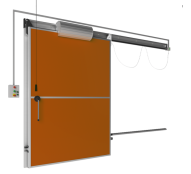
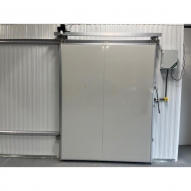
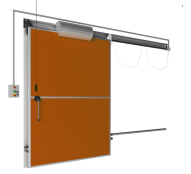
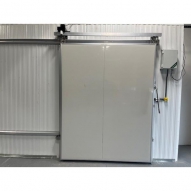
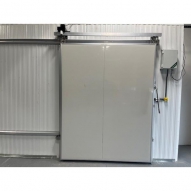
An automatic sliding freezer door is often the right answer when a freezer opening is used so frequently that manual operation starts adding drag, wear, and inconsistency to the workflow. In high-cycle environments, the issue is not simply whether the door opens. It is whether it can keep opening and closing reliably under constant daily pressure without slowing people down or creating extra maintenance exposure.

That is why constant use changes the buying decision. A door that seems acceptable in a light-duty application can become a weak point in a busy freezer room, especially where staff movement, carts, pallet jacks, and repeated access cycles all pass through the same opening hour after hour.

Constant Use Changes the Real Problem

Many freezer door decisions are made too early around dimensions, insulation, or basic opening style. Those are important, but they do not tell the full story when the opening is used all day.

Under constant use, the pressure shifts from simple access to repetitive performance. The opening becomes part of the facility’s rhythm. Staff depend on it during picking, staging, loading support, replenishment, cleaning, and internal transfers. In some operations, the door may cycle far more often than expected when the project was first planned.

That is when the real problem appears. A freezer door may still look serviceable, yet the operation around it starts feeling less stable. The movement becomes less fluid. Staff begin adjusting their pace around the door. Hardware sees more strain. Small delays become normal. The entrance starts behaving like a friction point rather than a reliable part of the cold chain.

The Risk of Using the Wrong Door Too Hard

A door that is technically functional can still be the wrong door for constant use. That is where operational risk grows quietly.

In a freezer environment, high-cycle use can expose mismatches faster than buyers expect. If the opening depends too heavily on manual effort, inconsistent handling, or hardware not suited to repeated traffic, the result is rarely one dramatic failure. It is a pattern of gradual performance loss.

That can show up as:

  • Slower access during busy shifts
  • More aggressive handling from rushed staff
  • Faster wear on rollers, guides, seals, and contact points
  • Added downtime risk from repeated adjustment needs
  • Temperature discipline pressure caused by less controlled openings
  • More visible aging around a heavily used back-of-house opening
  • A growing maintenance burden that never fully solves the root issue

This is why many facilities do not replace a high-use freezer door because it stopped working completely. They replace it because it no longer matches the operational pace of the room.

Why Freezer Openings Fail the Workflow Before They Fail Mechanically

In freezer rooms, repeated use is more demanding than in standard controlled spaces. The opening sits at the intersection of movement, cold retention, sanitation routine, and physical traffic pressure.

A constant-use door must do more than move back and forth. It must cycle predictably, protect the opening, recover quickly, and support the surrounding room without becoming the part that staff have to work around.

That matters in:

  • Warehouse freezer corridors.
  • Supermarket back-room freezer zones.
  • Food processing transfer points.
  • Commercial kitchen frozen storage areas.
  • Distribution operations with repeated staged movement.
  • Cold storage rooms where labor efficiency depends on uninterrupted Access.

In these settings, the question is not whether the door is insulated enough in theory. The real question is whether the opening remains dependable after repeated daily use across months and years.

Manual Versus Automatic in High-Cycle Applications

The best comparison is not automatic versus manual as a preference issue. It is whether the opening must perform as a high-cycle access point or only as a basic entry.

A manual sliding freezer door can still be appropriate in lower-use applications where access is limited, traffic is orderly, and the opening does not sit inside a constant operational loop. In those cases, simpler can still be right.

But where repeated use is unavoidable, automation often becomes the better long-term fit. An automatic sliding freezer door removes part of the human variability from a heavily used opening. It helps the door respond with more consistent speed and behavior, which matters when many access cycles happen every shift.

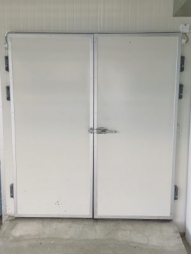
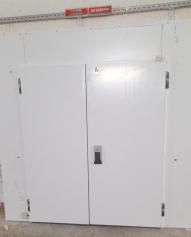
A swing door may still suit some smaller or lighter-duty applications, but under constant use it can create more interruption, more clearance constraints, and more physical handling than a fast-moving freezer workflow can comfortably absorb.

Quick Comparison

Door TypeBest FitMain StrengthMain Limitation
Automatic sliding freezer doorConstant-use openings, repeated daily cycles, high traffic freezer workflowsMore consistent access under heavy use with lower manual strainRequires proper system specification and integration
Manual sliding freezer doorModerate traffic, simpler operations, lower cycle demandStraightforward and practical in lighter-duty settingsPerformance can decline as cycle demand increases
Swing freezer doorSmall openings, lighter personnel traffic, less demanding useSimple and familiar accessMore interruption and handling in high-cycle environments

Door Type Best Fit Main Strength Main Limitation

Automatic sliding freezer door Constant-use openings, repeated daily cycles, high traffic freezer workflows More consistent access under heavy use with lower manual strain Requires proper system specification and integration

Manual sliding freezer door Moderate traffic, simpler operations, lower cycle demand Straightforward and practical in lighter-duty settings Performance can decline as cycle demand increases

Swing freezer door Small openings, lighter personnel traffic, less demanding use Simple and familiar access More interruption and handling in high-cycle environments

The Right Solution for Doors That Never Really Rest

When a freezer opening is under constant use, the stronger solution is usually the one that reduces human drag, keeps cycling behavior consistent, and holds up better under repetitive demand.

An automatic sliding freezer door addresses exactly that condition. It supports fast pass-through, more controlled access, and a more repeatable operating pattern across shifts. That helps reduce the subtle instability that develops when a manual door is asked to do too much, too often.

The most effective solution is not just about adding automation. It is about matching the door system to the reality of the room. That includes traffic frequency, opening width, pallet jack and cart movement, threshold condition, surrounding panels, sealing performance, visibility needs, and maintenance access.

This is where The Freezewize Cooling System fits naturally into the conversation. In real cold room projects, constant-use reliability usually comes from treating the opening as part of the full freezer environment rather than as a stand-alone component chosen only by size.

What Buyers Should Review Before Choosing

A constant-use freezer door should be evaluated by workload, not only by appearance or initial cost.

Before selecting a solution, buyers should review:

  • How many cycles the opening sees in a normal shift.
  • Whether traffic is staff-only or mixed with equipment movement.
  • How often carts, racks, or pallet jacks cross the threshold.
  • Whether the door is already creating hesitation or queueing.
  • How visible the opening is in a customer-facing or inspection-sensitive back-of-house area.
  • How much maintenance interruption the operation can tolerate.
  • Whether current wear suggests the opening is being overworked.
  • Whether the room needs a cleaner, more controlled access pattern over time.
  • These questions usually reveal whether the opening truly belongs in a constant-use category.

Quick Decision Guide

Choose an automatic sliding freezer door when:

  • The opening is used continuously throughout the day
  • Access speed affects labor flow
  • The door cycles repeatedly during each shift
  • Carts or pallet jacks regularly pass through
  • The facility wants lower manual strain at a high-use point
  • Ownership cost matters more than lowest upfront simplicity

A manual sliding option may still make sense when:

  • Daily cycle count is moderate.
  • The opening is not part of a constant traffic path.
  • The facility prefers simpler operation.
  • Maintenance expectations are lighter and traffic is predictable.

A swing-style door may remain suitable when:

  • The opening is smaller.
  • The space is not cycle-intensive.
  • Traffic is mostly personnel-based.
  • The workflow can tolerate more interruption at entry.

Related Solutions

A constant-use freezer opening is usually best planned alongside related cold room components and nearby access needs. Relevant related solutions may include:

  • Automatic sliding cold room doors.
  • Manual sliding freezer doors for lower-traffic zones.
  • Hinged freezer room doors for secondary Access.
  • Insulated freezer panels.
  • Heated threshold and anti-frost details.
  • Cold room hardware and sealing systems.
  • Implant protection around high-traffic openings.
  • Warehouse and food processing cold storage solutions.

These related solutions matter because durability under constant use depends on the full opening environment, not only on the operating method.

FAQ

What does constant use mean for a freezer door?

It usually means the opening handles repeated access cycles throughout the day and functions as an active part of the workflow rather than occasional entry.

Why is an automatic sliding freezer door better under constant use?

It can provide more consistent opening behavior, reduce manual strain, and support faster movement in high-cycle operations.

Can a manual freezer door still work in a busy facility?

Yes, but only if the specific opening does not carry constant traffic pressure. Some busy facilities still have lower-use freezer entries where a manual door remains appropriate.

What are the first signs that a door is not suited for constant use?

Common signs include staff hesitation, rougher handling, increasing wear, more frequent adjustments, and a feeling that the opening slows down the room.

Does high-cycle use affect long-term ownership cost?

Yes. A mismatched door can create more maintenance calls, faster wear, and earlier replacement timing even if it never experiences one major failure.

What should be considered besides the door leaf?

Frame detail, threshold condition, surrounding panels, seal performance, visibility options, impact exposure, and service access all matter in constant-use applications.

High-Use Openings Need a Better Standard

When a freezer door is under constant use, the wrong choice becomes visible faster. The opening starts affecting labor flow, maintenance rhythm, and long-term reliability long before total failure forces a replacement.

If the door never really rests, the specification cannot be light-duty in disguise.

For facilities reviewing a high-cycle freezer opening, the smartest next step is to assess the actual traffic pattern, usage intensity, and long-term operating burden, then choose a system built to perform where the workflow does not slow down.


Fill the Form!

Write your needs and fill the form to contact us.

Freezewize | Industrial Cooling Systems & Custom Cold Room Solutions
Merhaba, Size yardımcı olabilir miyiz ?
Whatsapp Destek