




Freezewize | Industrial Cooling Systems & Custom Cold Room Solutions

Long-Term Fit for Automated Freezer Access

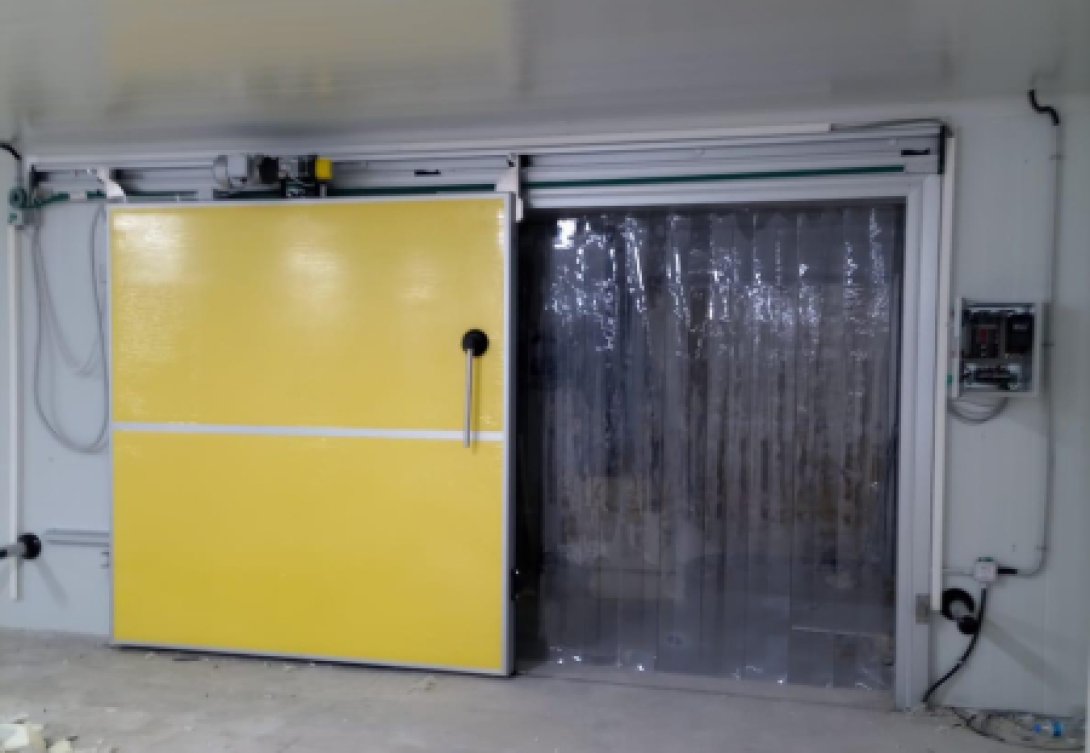
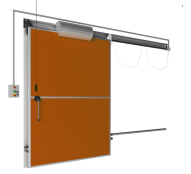
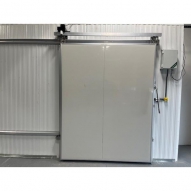
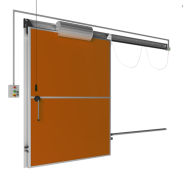
Long-Term Fit for Automated Freezer Access | Automatic Sliding Freezer Door

Choose an automatic sliding freezer door that fits long-term traffic, maintenance, and cold-room demands without creating future workflow or ownership problems.

Long-Term Fit for Automated Freezer Access

An automatic sliding freezer door is the right long-term choice when the freezer opening needs to continue supporting traffic, temperature control, and daily use without becoming a high-maintenance weak point later on. The real decision isn’t whether automation looks better today. The real decision is whether the opening will still be operational after years of repeated cycles, personnel movement, equipment traffic, and changing workloads.

Therefore, long-term suitability is more important than the number of features. A freezer door may work on day one, but if it causes preventable wear, slows down traffic, or no longer fits the room’s actual usage pattern, it can become the wrong choice over time. The best solution is one that maintains its suitability as the operation grows.

The Real Issue Isn’t Today’s Specifications

Most freezer door decisions are made around immediate project needs: opening size, basic temperature range, and whether the budget allows for automation. These factors are important, but they don’t answer the most critical question.

Will this opening still make sense after years of use?

This is the point that causes headaches for many facilities. A door may seem adequate at handover, but daily reality changes that decision. Traffic intensifies. Staff movements become more repetitive. Pallet jacks and carts use the threshold more frequently than expected. Cleaning routines become stricter. Back-office presentation standards rise. What once seemed like sufficient clearance now becomes inadequate, overloaded, or out of sync with the room’s pace.

In freezer environments, this mismatch matters because clearance is never just an entrance. It’s part of daily workflow, thermal protection, and long-term operational stability.

Why Does a Short-Term Choice Create Long-Term Costs?

A freezer door doesn’t have to fail dramatically to become costly.

In most cases, a poor choice over the long term manifests not as a major failure but as repeated friction. Staff lose time at the threshold. Manual operation becomes more difficult. Seals and hardware wear out sooner than expected. The opening becomes more sensitive to traffic pressure. Maintenance needs increase, yet the room never feels fully trouble-free again.

Such incompatibility can lead to: 

  • Slower workflow as traffic increases.
  • Greater daily strain on staff during repeated access.
  • Earlier wear on rollers, seals, tracks, and hardware.
  • More service interventions over the opening’s lifespan.
  • Increased heat loss due to slower or less controlled movement.
  • Visible aging in the high-traffic rear area.
  • Pressure to replace sooner than originally budgeted.

Therefore, long-term compatibility is more important than whether the door simply works. A technically functional door can still be a poor business decision if it creates constant maintenance pressure.

Situations Where Long-Term Compatibility Becomes a Purchasing Consideration

Long-term compatibility is particularly important in freezer rooms where the door is expected to remain active, accommodate expanded usage, or absorb repeated daily movement across multiple shifts.

Applications that serve this purpose include: 

  • Warehouse freezer aisles.
  • Food processing transfer areas.
  • Supermarket backroom freezer storage areas.
  • Commercial kitchens with frequent entries.
  • Preparation areas in distribution operations.
  • Cold storage facilities with frequent internal traffic.

In these environments, buyers aren’t just choosing a door. They’re choosing how the opening will perform under real operational pressure over time. This includes how it manages traffic, how it ages, how it adapts to cleaning routines, how easy it is to maintain, and whether it continues to support the room without becoming a constant compromise.

Long-Term Suitability vs. Manual Simplicity

The fundamental comparison is not between complexity and simplicity. It is between short-term ease and long-term suitability.

A manual sliding freezer door may still be the right choice in rooms where usage is predictable, the opening is not central to daily workflow, and traffic is lighter. In these areas, a simpler system can remain the smarter choice for years.

However, when the opening is subjected to higher cycle demands, repeated passages, equipment movement, or increasing operational pressure, automation typically becomes a stronger long-term decision. An automatic sliding freezer door reduces reliance on repeated manual effort and brings greater consistency to one of the room’s most high-pressure points.

A hinged door may still be suitable for smaller or less-used freezer entrances, but justifying it becomes difficult when the opening, flow continuity, and repeated movements are part of daily reality. What works in a simpler room does not always remain suitable in a more intensive one.

Quick Comparison

Door TypeBest Long-Term FitMain AdvantageMain Limitation
Automatic sliding freezer doorHigh-use openings, repeated traffic, operations expecting stable long-term performanceBetter consistency, lower workflow friction, stronger long-term suitabilityNeeds correct system planning and application fit
Manual sliding freezer doorModerate traffic, simpler workflows, predictable accessPractical and lower in system complexityCan lose suitability as traffic and handling demands increase
Swing freezer doorSmaller openings, lighter personnel use, secondary accessFamiliar and straightforwardLess suitable for repeated traffic and evolving workflow pressure

Door Type Best Long-Term Solution Key Advantage Key Limitation

Automatic sliding freezer door High-traffic areas, constant foot traffic, operations requiring consistent long-term performance Better consistency, fewer workflow disruptions, higher long-term suitability Requires proper system planning and suitability for implementation

Manual sliding freezer door Moderate traffic, simpler workflows, predictable access Practical and lower system complexity May lose suitability as traffic and processing demands increase

Swing freezer door Smaller openings, reduced staff usage, secondary access Familiar and intuitive Less suitable for repetitive traffic and fluctuating workflow demands

A Better Solution for Long-Term Freezer Access

If the opening is expected to remain active, absorb recurring daily traffic, and stay compatible with the facility for years, automation is generally a more responsible option.

When room-controlled movement, consistent access speed, and lower daily loading at the threshold are required, an automatic sliding freezer door is generally a more suitable choice in the long term. This increases the likelihood that the opening will age alongside the operation rather than falling behind it.

· This long-term value becomes clearer when the door is selected not as a standalone product, but as part of the complete freezer opening solution. The most durable decisions typically consider the following: 

  • Traffic frequency over the room’s lifespan.
  • Pallet jack, hand truck, or shelf movement.
  • Service and maintenance accessibility.
  • Threshold conditions and frost prevention needs.
  • Surrounding panel connections.
  • Sealing performance during freezer operation.
  • Visibility and safety requirements.

Potential future increases in operational intensity.

This is where the Freezewize Cooling System naturally comes into play. Practically speaking, long-term freezer access isn’t achieved through automation alone. It’s achieved by adapting the entire door system to how the facility operates now and how it will operate in the future.

What Buyers Should Consider Before Making a Decision

A strong long-term decision starts with asking better questions from the beginning.

Instead of simply asking, “Will this door work?” buyers should ask: 

  • Will this opening be exposed to more traffic over time?
  • Will the current usage level remain constant or increase?
  • Does the room need to move more quickly during peak periods?
  • Will personnel, vehicles, or pallet jacks use this threshold daily?
  • How much downtime can the operation tolerate?
  • Is the entrance part of a visible or inspection-sensitive area?
  • Will a simpler door remain suitable after years of repeated use?
  • Will the future replacement cost be more expensive than making the right choice now?

These questions typically reveal whether a lower-spec solution is truly sufficient or merely cheaper upfront. 

Quick Decision Guide

Select an automatic sliding freezer door in the following situations: 

  • If the opening is expected to remain heavily used over the long term.
  • If traffic frequency is already high or likely to increase.
  • If personnel and equipment pass through the opening daily.
  • If the facility aims to reduce friction in the workflow over time.
  • If maintenance tolerance is limited.
  • If long-term ownership logic is more important than the lowest initial simplicity.

A manual sliding option may still be more suitable in the following situations: 

  • If traffic is moderate and unlikely to increase.
  • If the entrance does not create a bottleneck in the workflow.
  • If equipment movement is limited.
  • If the facility prioritizes simpler operation and less integration.

A swing door may still be suitable in the following situations: 

  • If the entrance is smaller.
  • If access is less frequent and primarily personnel-based.
  • If the entrance is in a secondary rather than a central location.
  • If long-term traffic pressure is minimal.

Related Solutions

Long-term freezer access performance is typically at its highest when planned in conjunction with related cold room components. Depending on the application, related solutions may include:

  • Automatic sliding cold room doors.
  • Manual sliding freezer doors for areas with lower traffic.
  • Hinged freezer room doors for secondary openings.
  • Insulated freezer panels.
  • Heated thresholds and anti-icing details.
  • Cold room sealing and hardware systems.
  • Impact protection for high-traffic openings.
  • Cold storage solutions for warehouses and food processing facilities.

These relevant solutions are important because long-term suitability depends not only on the type of operator but on the entire opening environment.

FAQ

What does long-term suitability mean for an automatic sliding freezer door?

This means the door remains suitable over time—even as traffic, workload, and daily operational demands persist—without becoming a source of constant friction or premature wear.

Is automation always a better choice in the long run?

No. Automation is a better choice when the opening faces repeated use, traffic pressure, and operational demands that will make simpler access less suitable over time.

Can a manual freezer door still last a long time?

Yes, but durability alone is not enough. The real question is whether the door will remain operationally suitable as the room continues to be used.

What is the biggest mistake in selecting a freezer door?

One of the biggest mistakes is making a selection based solely on the current budget or initial simplicity without evaluating future traffic, maintenance burden, and long-term workflow needs.

Which facilities benefit most from long-term automated freezer access?

Warehouses, food processing facilities, supermarkets, commercial kitchens, and distribution operations typically benefit the most because freezer openings remain active and operationally critical.

What else should be considered besides the door itself?

Threshold design, perimeter panels, sealing performance, equipment protection, traffic flow, service access, and potential future workload should all be reviewed before final specifications are determined.

The Best Freezer Door Decision Should Make Sense Years Down the Line

A freezer opening may seem adequate at first, but over time it can become the wrong choice. Long-term success comes from selecting a door system that can continue to support operational growth, maintenance discipline, and cold room performance as the operation evolves.

If the opening is to remain critical for years to come, the specifications should be designed for long-term suitability, not short-term convenience.

For facilities planning a freezer room or retrofitting a high-traffic opening, the wisest step is to evaluate the entire lifecycle of the entrance and select a solution that will remain suitable long after installation day.


Fill the Form!

Write your needs and fill the form to contact us.

Freezewize | Industrial Cooling Systems & Custom Cold Room Solutions
Merhaba, Size yardımcı olabilir miyiz ?
Whatsapp Destek