




Freezewize | Industrial Cooling Systems & Custom Cold Room Solutions

Reducing Touchpoints at Freezer Entries

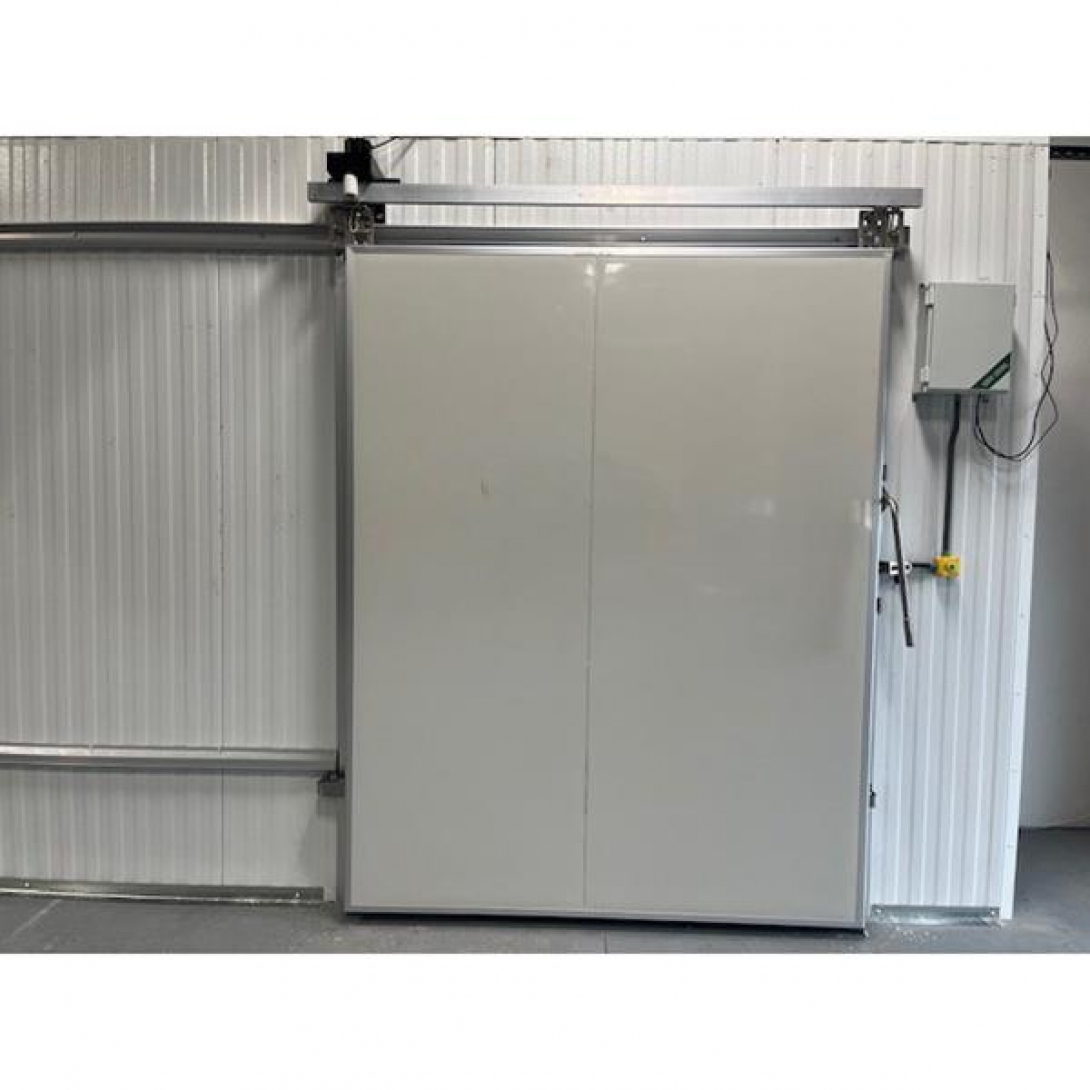
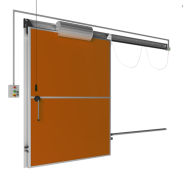
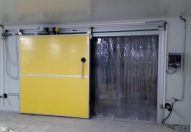
Reducing Touchpoints at Freezer Entries | Automatic Sliding Freezer Door

Reduce freezer entry touchpoints with an automatic sliding freezer door that improves hygiene, traffic flow, and daily access control in cold storage operations.

Reducing Touchpoints at Freezer Entries

The automatic sliding freezer door is one of the most effective ways to reduce contact points at freezer entrances without slowing down operations. In high-traffic cold storage environments, less hand contact means cleaner access, smoother movement, and less daily strain on personnel, equipment, and workflow.

This is important because freezer entrances are not neutral zones. They are common access points where hygiene expectations, traffic pressure, and temperature control converge. When the opening process relies on repeated pulling, pushing, or forceful manual operations, the door begins to introduce friction into the process it is meant to support.

The Problem Starts with Repeated Contact

Freezer entrances are exposed to more physical contact than many facilities initially anticipate. Staff open the door during collection, preparation, restocking, cleaning, and general movement throughout shifts. In some operations, this contact occurs dozens or even hundreds of times a day.

At first, this may not seem like a serious problem. An employee grabs the handle, pulls the door open, steps inside, and continues on their way. Over time, however, these repeated contact points begin to create a broader operational strain. The entrance becomes a place where hands are occupied, carts slow down, staff must adjust their movements, and the room’s rhythm becomes dependent on manual effort.

In freezer environments, this strain is even more critical, as the entrance does more than just control access. While maintaining the cold environment, it supports workforce movement, hygiene routines, and daily operational continuity. A door requiring frequent contact may still function, but it could be the wrong choice for a high-volume, hygiene-sensitive workflow.

Why Extra Touch Points Create Operational Risks

Having too many touch points at a freezer entrance doesn’t just affect convenience. It also impacts cleanliness, consistency, and long-term wear and tear.

Repeated manual contact can lead to: 

  • Increased hand-to-surface interaction in food-related environments.
  • Slower movement as staff carry trays, boxes, or materials.
  • Difficult entry during forklift or pallet jack traffic.
  • Harsher use during busy shifts.
  • More noticeable wear around handles, edges, and hardware.
  • Inconsistent opening and closing habits.
  • Higher maintenance demands caused by rushed daily use.

A door may remain technically operational, yet still pose preventable risks. This is typically the point at which facility managers begin to reconsider its suitability. The issue is no longer whether the door opens or closes. The question is whether the door supports the operational standard the facility currently expects.

Freezer Hygiene and Touchpoint Control

In many facilities across the U.S., reducing touchpoints is closely linked to hygiene discipline and readiness for inspections. This is particularly important in food processing, supermarket support areas, commercial kitchens, and cold storage operations; in these areas, teams seek cleaner traffic flow and less unnecessary hand contact at shared access points.

Manual door operation can create a subtle yet persistent hygiene burden. It adds another frequently touched surface to manage, another area prone to wear and tear, and another daily behavior dependent on staff consistency. This does not mean manual doors are inherently unsuitable. It means that as operations strive to reduce preventable contact at high-traffic freezer entrances, manual doors become less appealing.

An automatic sliding freezer door alleviates this pressure by reducing the need for repeated physical interaction at the opening itself. This is not just a hygiene improvement. It is also a workflow improvement.

Manual Contact vs. Automatic Access

The most useful comparison is not merely between two door styles. It is between access with high contact frequency and access with lower contact frequency.

A manual sliding freezer door may still make sense in applications where the opening is used less frequently, hygiene pressures are more manageable, and traffic is lower. In these environments, a simple system may be entirely sufficient.

However, when the opening supports frequent movement, personnel traffic, or equipment-driven flow, the balance shifts. An automatic sliding freezer door reduces the number of physical interactions required to pass through the opening. This provides a cleaner access routine and generally makes movement feel more natural under real-world operational pressure.

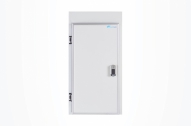
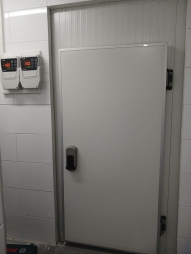
A swing door may work in certain smaller or less-used freezer applications, but it becomes less practical in areas where repeated use, limited clearance, or continuous flow are critical. In these environments, the door’s swing angle and physical interaction can cause more disruption than benefit.

Quick Compariso

Door TypeBest FitMain AdvantageMain Limitation
Automatic sliding freezer doorHigh-use entries, hygiene-sensitive zones, repeated daily movementFewer touchpoints and smoother accessRequires more integrated planning than basic manual options
Manual sliding freezer doorModerate traffic, simpler operations, controlled useLower system complexityMore repeated physical contact during daily operation
Swing freezer doorSmaller openings, light personnel trafficFamiliar access methodMore handling and more interruption to flow

Door Type Best Application Main AdvantageMain Limitation

Automatic sliding freezer door High-traffic entrances, hygiene-sensitive areas, repeated daily movements Fewer contact points and smoother access Requires more integrated planning compared to basic manual options

Manual sliding freezer door Moderate traffic, simpler operations, controlled use Lower system complexity More repeated physical contact during daily operations

Swing freezer door Smaller openings, light personnel traffic Familiar access method More handling and more interruptions in the flow

A Better Solution for Low-Contact Freezer Access

If the goal is to reduce contact points without compromising freezer performance, automation is generally the better approach. The opening becomes easier to pass through, easier to manage under pressure, and less reliant on staff physically interacting with the door each time.

This matters in real-world scenarios: an employee transporting goods, a team member moving quickly during stock replenishment, a pallet jack approaching the threshold, or a cleaning routine utilizing a more controlled entry point. In all these cases, the advantage is not theoretical. It is operational.

A well-designed automatic sliding freezer door should support the following: 

  • Reduced hand contact at entry.
  • Faster and more consistent passage.
  • Better compatibility with carts and pallet jacks.
  • More disciplined opening behavior.
  • Less visible wear on handles and manual hardware points.
  • A cleaner, more modern access standard for the room.

This is where the Freezewize Cooling System naturally comes into the discussion. In practice, successfully reducing contact points is not just about automation. It involves adapting the entire door system to the room, traffic flow, threshold conditions, surrounding panels, and the facility’s hygiene expectations.

What Buyers Should Review Before Making a Change

Facilities should not view low-contact freezer access as merely a trend. They should view it as a functional upgrade.

The most useful points to consider are: 

  • How frequently the door is used during a typical shift.
  • Whether staff regularly enter the area while carrying products or tools.
  • How often hand truck, shelf, or pallet jack traffic passes through the door.
  • Whether there is premature wear or frequent contact in the handle area.
  • How critical hygiene standards are to operations.
  • Whether traffic slows down due to the door requiring manual operation.
  • How much maintenance tolerance the facility has for daily-use equipment.

If repeated contact is already shaping the entrance’s operation, a low-contact automatic solution is typically a stronger long-term decision.

Quick Decision Guide

Select an automatic sliding freezer door in the following situations: 

  • Reducing common touchpoints is a priority.
  • The freezer entrance is used frequently on a daily basis.
  • Staff typically pass through here while carrying items.
  • Hygiene expectations are high.
  • Vehicles or pallet jacks pass through the opening.
  • Manual operation has begun to cause delays in the workflow.

A manual sliding option may still be suitable in the following situations: 

  • Traffic is moderate and predictable.
  • Reducing contact is not a significant operational issue.
  • The opening is not part of a high-volume workflow.
  • Simple usability is more important than low-contact access.

A swing door may still be suitable in the following situations: 

  • If the opening is smaller.
  • If traffic is low.
  • Usage frequency is limited.
  • Clearance and flow continuity are not major issues.

Related Solutions

This topic is naturally linked to other cold room and freezer room solutions, including the following:

Automatic sliding cold room doors. 

  • Manual sliding freezer doors.
  • Insulated freezer room panels.
  • Hygienic cold room door hardware.
  • Heated thresholds and anti-icing options.
  • Freezer room sealing systems.
  • Cold storage solutions for food processing facilities.
  • Warehouse freezer access systems.

These related solutions are important because they yield the best results when reducing contact points aligns with the goal of full-opening conditions.

FAQ

Why is reducing touchpoints at freezer entrances important?

It helps improve hygiene control, reduces repeated hand contact at common access points, and supports smoother daily passage through the opening.

Does an automatic sliding freezer door help achieve hygiene goals?

Yes. It can reduce direct hand contact with the door during normal traffic, which supports cleaner access routines in hygiene-sensitive environments.

Does this apply only to food production facilities?

No. It is also beneficial in warehouses, supermarkets, distribution operations, commercial kitchens, and other cold storage environments where daily freezer access is frequent.

Is a manual freezer door still acceptable?

Yes. If traffic through the opening is less intense and hygiene demands are lower, a manual door can still be a suitable and practical option.

Does reducing touch points also improve workflow?

In most cases, yes. Less physical interaction at the opening can make movement faster, easier, and less disruptive during busy shifts.

What else should be considered besides the door type?

Before selecting the final solution, the frame design, threshold detail, sealing performance, side panels, traffic behavior, and service access should be reviewed.

Low-Contact Access Provides a Better Freezer Entry

When freezer entries rely on constant manual contact, keeping the entry clean, moving through it, and adapting to daily operational pressures becomes difficult. Reducing contact points is not just a hygiene decision. It is a practical access decision.

If the opening requires constant intervention, it is already demanding too much from the workflow.

For facilities looking to improve freezer traffic, hygiene discipline, or overall entry performance, the best step is to evaluate whether the current opening supports low-contact movement or continues to add unnecessary friction to the room.

Fill the Form!

Write your needs and fill the form to contact us.

Freezewize | Industrial Cooling Systems & Custom Cold Room Solutions
Merhaba, Size yardımcı olabilir miyiz ?
Whatsapp Destek