




Freezewize | Industrial Cooling Systems & Custom Cold Room Solutions

Lower Friction at Frozen Openings

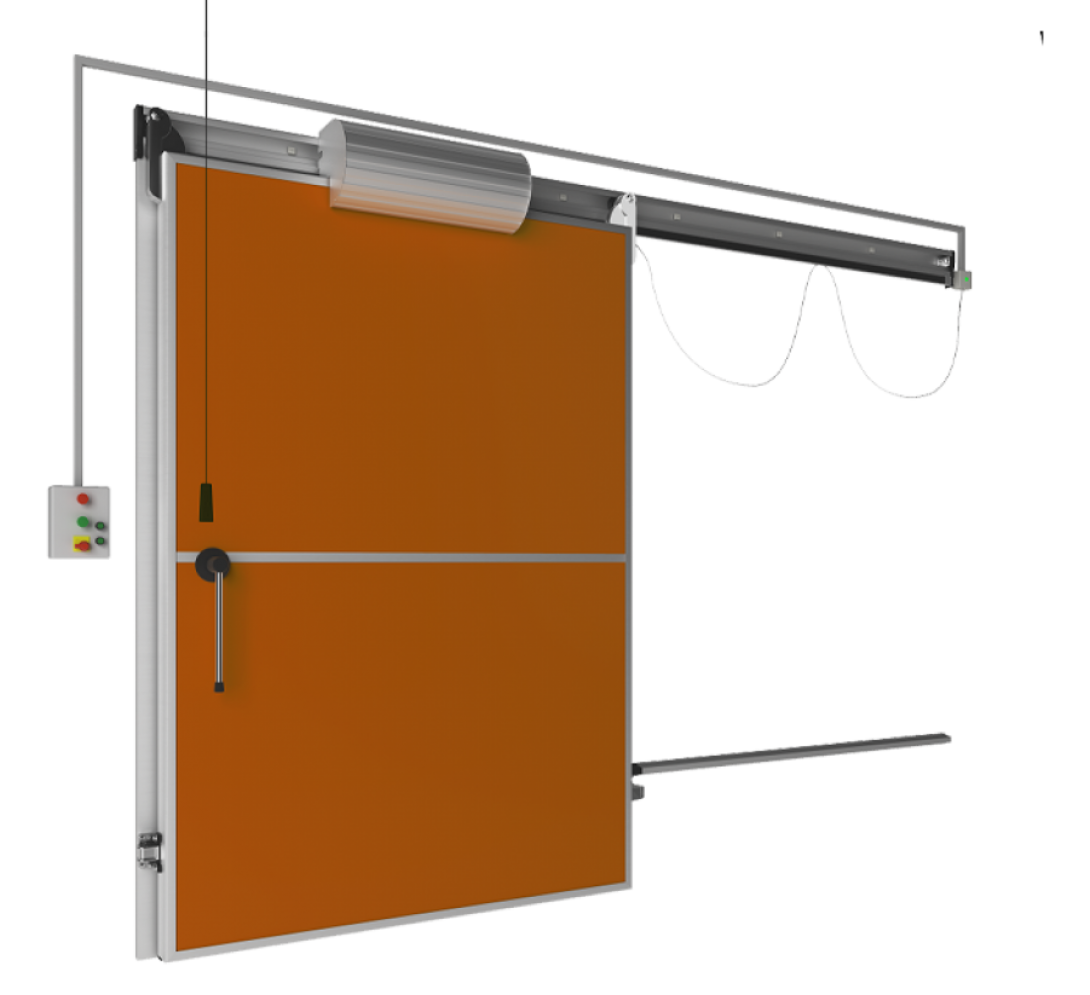
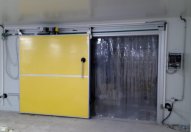
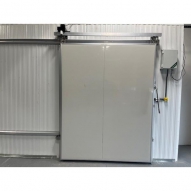
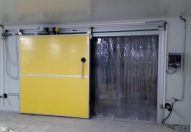
Lower Friction at Frozen Openings | Automatic Sliding Freezer Door

Reduce delay, resistance, and daily wear at freezer entries with an automatic sliding freezer door built for smoother flow and better cold-room control.

Lower Friction at Frozen Openings

An automatic sliding freezer door is often the best way to reduce friction at a frozen opening where daily access has become slower, harder, and less predictable than it should be. In real freezer operations, friction is not only physical resistance at the door. It is also delay, awkward handling, traffic interruption, seal stress, and the gradual loss of smooth movement at one of the room’s busiest points.

That is why lower friction matters. When staff, carts, racks, and pallet jacks move through the same opening all day, the door should remove effort from the workflow, not add to it. The right system helps the room move faster, stay cleaner at the threshold, and operate with less strain over time.

Friction Shows Up Before Failure

Most freezer door problems do not begin with breakdown. They begin with resistance.

A door becomes a little harder to manage during busy periods. Staff start adjusting their body position to get through faster. A cart pauses at the threshold. A pallet jack loses its line. A worker with product in hand has to slow down, reach, pull, wait, and re-balance. None of this looks dramatic in one moment. Across a full shift, it becomes expensive.

That is the real issue at frozen openings. The opening is supposed to connect workflow, not interrupt it. When the door starts creating friction, the room loses efficiency in small pieces that accumulate quickly.

In freezer environments, those small pieces matter more because the threshold carries several pressures at once: 

  • Movement speed.
  • Cold retention.
  • Physical handling.
  • Cleaning routine.
  • Hardware wear.
  • Daily labor rhythm.

When one opening adds friction to all of those at once, it stops being a minor nuisance and starts becoming an operational problem.

Why Friction Becomes an Operations Cost

A freezer door can still be functional and still be the wrong choice for the way the room is actually used.

That is where many facilities get stuck. The opening still works, so replacement or upgrade feels easy to postpone. But the daily cost keeps building in less visible forms. The room becomes harder to move through. The traffic pattern becomes less clean. Staff compensate with more force, more haste, and more improvisation.

That friction can lead to: 

  • Slower pass-through during active shifts.
  • More stop-start movement at the opening.
  • Longer exposure time at the threshold.
  • Extra wear on guides, seals, rollers, and hardware.
  • More bumps from carts and pallet jacks.
  • Higher maintenance attention without a real workflow fix.
  • A more tired-looking back-of-house opening sooner than expected.

This is why the wrong door often creates dissatisfaction before it creates failure. People feel it in the operation long before they see it as a clear technical fault.

Frozen Openings Need a Different Standard

In a standard room, a slightly awkward opening may be tolerable. In a freezer room, it usually is not.

Frozen openings are less forgiving because access is directly connected to thermal performance and handling speed. Every extra second at the threshold increases pressure on the room. Every unnecessary manual motion adds strain. Every awkward pass-through increases the chance of rough contact, slower work, and less disciplined movement.

That matters in U.S. facilities where the opening may serve: 

  • Warehouse freezer lanes.
  • Supermarket back-room storage.
  • Food processing transfer routes.
  • Commercial kitchen frozen inventory rooms.
  • Distribution staging areas.
  • Cold storage support spaces with repeated daily entry.

In these environments, lower friction is not about making the door feel nicer. It is about protecting workflow quality and keeping the room practical under daily pressure. 

Manual Resistance Versus Automatic Flow

The most useful comparison is not feature against feature. It is resistance against flow.

A manual sliding freezer door can still be the right choice when the opening sees moderate traffic, simpler use patterns, and limited equipment movement. In those cases, lower system complexity may outweigh the need for faster automation.

But where the opening is active all day, the balance changes. An automatic sliding freezer door reduces the number of decisions, motions, and interruptions required at the threshold. That makes the access point more consistent. Staff do not have to create the movement every time. The system supports the flow instead of depending on it.

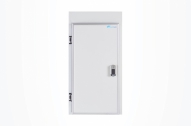
A swing door may still work for smaller or lighter-duty applications, but in busier frozen openings it often introduces more interruption, more clearance dependency, and more physical handling than the workflow can absorb comfortably.

Quick Comparison

Door TypeBest FitMain StrengthMain Limitation
Automatic sliding freezer doorHigh-use frozen openings, repeated traffic, cart and pallet jack movementLower friction and more controlled accessRequires proper specification and layout planning
Manual sliding freezer doorModerate traffic, simpler operations, predictable useStraightforward and practicalMore user effort and more resistance as usage increases
Swing freezer doorSmaller openings, lighter personnel trafficFamiliar operationMore interruption to flow and more clearance demand

Door Type Best Fit Main Strength Main Limitation

Automatic sliding freezer door High-use frozen openings, repeated traffic, cart and pallet jack movement Lower friction and more controlled access Requires proper specification and layout planning

Manual sliding freezer door Moderate traffic, simpler operations, predictable use Straightforward and practical More user effort and more resistance as usage increases

Swing freezer door Smaller openings, lighter personnel traffic Familiar operation More interruption to flow and more clearance demand

The Better Solution for Lower-Friction Access

If the opening is slowing work down, the answer is not to ask the team to work around it better. The answer is to reduce what the opening asks from them.

An automatic sliding freezer door is typically the stronger solution when the goal is smoother movement, less manual strain, and a more controlled pass-through at a freezer threshold. It helps turn the opening into a cleaner operating point rather than a repeated source of effort.

That matters most when the room depends on: 

  • Frequent daily entry.
  • Rapid internal movement.
  • Carts or pallet jacks crossing the threshold.
  • Predictable closing behavior.
  • Lower handling strain on staff.
  • Reduced wear from rushed use.

A well-matched solution should not only move fast. It should also feel stable in daily use, support reliable sealing, and work naturally with the surrounding room condition. 

This is where The Freezewize Cooling System becomes relevant in a practical way. In real projects, lower-friction freezer access rarely comes from changing only one part. It comes from evaluating the opening as a full operating condition, including the threshold, surrounding panels, hardware, seal logic, traffic type, and protection details around the entry.

What Buyers Should Check Before Choosing

A facility should not decide based only on opening size or basic temperature range. Friction is usually created by the relationship between the door and the workflow.

The most useful review points are simple: 

  • How often is the opening used during a typical shift?
  • Is staff movement smooth, or does the threshold force hesitation?
  • Do carts, racks, or pallet jacks need a clean pass-through?
  • Is the current door creating rougher handling over time?
  • Does the opening already feel like a labor slowdown point?
  • Is the threshold easy to keep orderly during cleaning and daily use?
  • How much maintenance interruption can the facility tolerate?
  • Is the door still appropriate for the current operating pace, not the old one?

These questions usually reveal whether the real problem is the door itself or the friction it keeps introducing into the room. 

Quick Decision Guide

Choose an automatic sliding freezer door when: 

  • The opening sees frequent daily traffic.
  • Manual handling is slowing movement.
  • Staff often carry product or tools through the entry.
  • Pallet jacks or carts regularly cross the threshold.
  • The room needs smoother, more repeatable access.
  • Long-term operating ease matters more than basic simplicity.

A manual sliding option may still be the better fit when: 

  • Traffic is moderate and predictable.
  • The opening is not a workflow choke point.
  • Equipment movement is limited.
  • The facility prefers simpler operation and lower integration.

A swing-style door may still suit the application when: 

  • The opening is smaller.
  • Access is lighter and mostly personnel-based.
  • Clearance is available.
  • Flow interruption is not a major concern.

Related Solutions

Lower-friction freezer access is often strongest when it is considered alongside related room components and nearby access needs. Relevant related solutions may include: 

  • Automatic sliding cold room doors.
  • Manual sliding freezer doors for lower-traffic zones.
  • Hinged freezer room doors for secondary entries.
  • Insulated freezer panels.
  • Heated thresholds and anti-frost details.
  • Cold room hardware and sealing systems.
  • Impact protection for busy openings.
  • Cold storage solutions for warehouses and food processing areas.

These related solutions matter because friction at the opening is rarely caused by the operating method alone. It is usually shaped by the full condition of the entry. 

FAQ

What does lower friction mean at a frozen opening?

It means the opening requires less effort, creates less delay, and supports smoother movement for staff and equipment during daily freezer use.

Why does an automatic sliding freezer door reduce friction?

Because it removes repeated manual handling from the access cycle and helps the door respond more consistently under traffic pressure.

Is lower friction only important in large facilities?

No. Even a smaller freezer room can suffer from entry friction if the opening is used frequently or sits inside a busy work route.

Can a manual freezer door still be suitable?

Yes. If traffic is moderate, equipment movement is limited, and the opening is not slowing the workflow, a manual sliding door may still be appropriate.

Does lower friction also help with wear and maintenance?

Often yes. When the opening operates more smoothly and depends less on rushed manual force, wear on seals, guides, and hardware is usually easier to control.

What else should be considered besides the door type?

Threshold condition, frame detail, surrounding panels, seal performance, traffic pattern, visibility needs, and service access all influence how much friction the opening creates.

Lower Friction Creates a Better Freezer Operation

A frozen opening does not need to be broken to be slowing the room down. When the threshold adds resistance, the whole operation absorbs that cost in time, effort, wear, and workflow disruption.

If the opening keeps asking people to fight the flow, it is already the wrong access standard for the room.

For facilities reviewing a freezer entry under real daily pressure, the best next step is to evaluate how much friction the current opening is creating and choose a system built to reduce resistance where the operation feels it most.

Fill the Form!

Write your needs and fill the form to contact us.

Freezewize | Industrial Cooling Systems & Custom Cold Room Solutions
Merhaba, Size yardımcı olabilir miyiz ?
Whatsapp Destek