




Freezewize | Industrial Cooling Systems & Custom Cold Room Solutions

Reducing Snag Points at the Opening

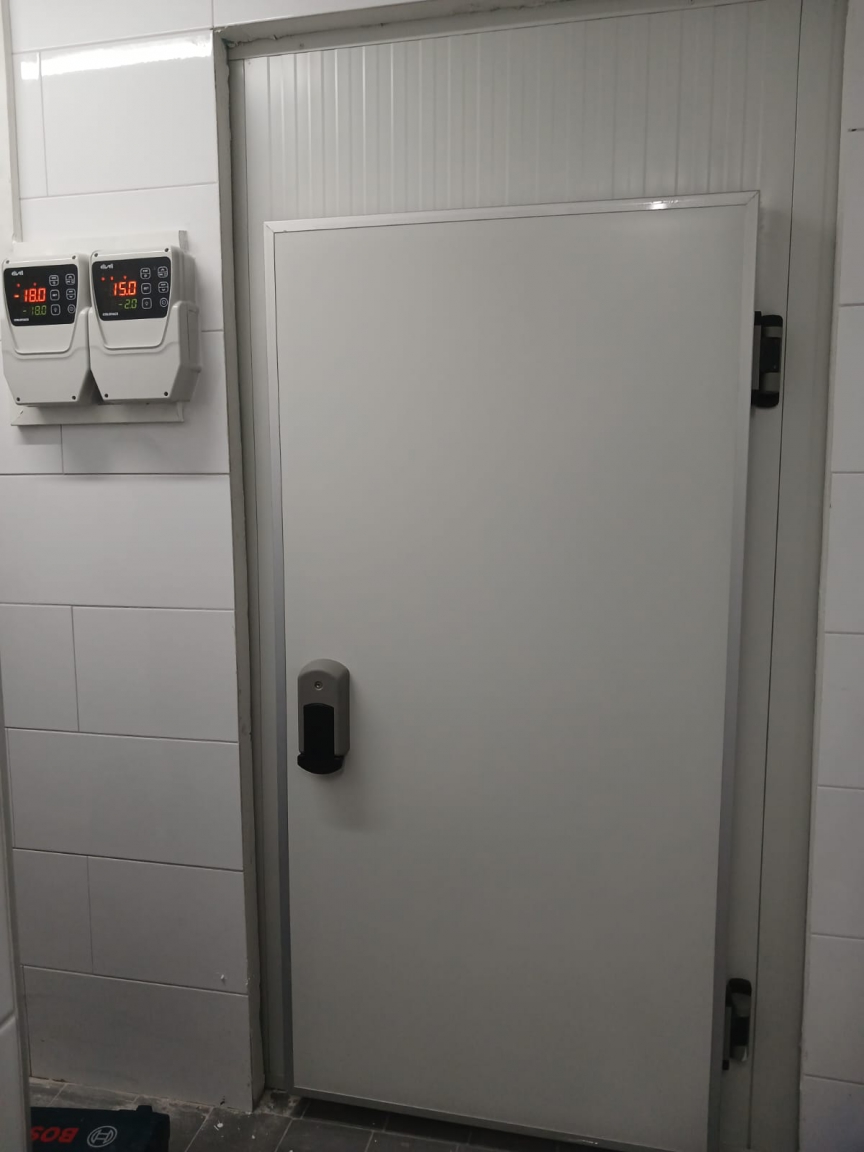
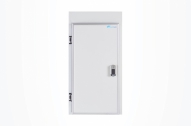
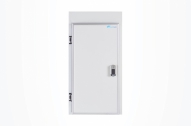
Flush Mount Cooler Swing Door for Reducing Snag Points at Cooler Openings

Reduce snag points at the opening with a flush mount cooler swing door that supports safer traffic flow, cleaner edges, easier sanitation, and lower daily wear.

Reducing Snag Points at the Opening

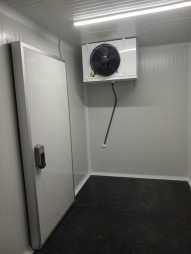
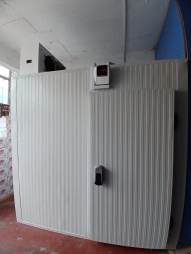
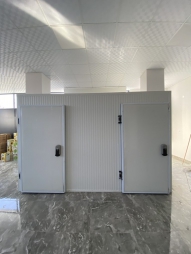
The recessed-mount refrigerator swing door is one of the most effective ways to reduce snagging points at the refrigerator opening. By minimizing unnecessary protrusions in the frame area and creating a cleaner transition from the wall to the door, it helps vehicles, shelves, staff movement, and daily cleaning routines pass through with fewer obstacles.

This is important in real-world facilities because snagging points are rarely initially recognized as major issues. They manifest as minor daily glitches, such as a hand truck catching on the edge, a jacket snagging on the hardware, cleaning operations slowing down in the frame area, or a high-traffic entrance feeling narrower and rougher than it should. Over time, these small disruptions turn into wear and tear, increased maintenance demands, and slowed workflow.

The Real Problem Starts at the Entrance Edge

Most issues at the cooler entrance do not stem from the presence of a door. They stem from how the opening is configured.

In high-traffic cooler environments, the opening is a high-contact area. Staff pass through here quickly. Hand carts and material racks pass close to the threshold. Cleaning crews work around this area several times a day. In some facilities, the entrance is located in a narrow back corridor where every centimeter counts. If the opening has protruding frame conditions, awkward transitions, or exposed points that obstruct movement, the door area is no longer neutral. It begins to work against the room.

This is where snagging points become a real operational problem. Not because they always cause dramatic damage, but because they create recurring obstacles. While it becomes easier to bump into and scratch the opening, cleaning it thoroughly becomes more difficult. In food operations, this situation also affects presentation and hygiene standards.

If contact issues persist around the opening, a door may provide a seal but could still be the wrong choice.

Why Do Snagging Points Cost More Than They Seem?

At first, a snagging point seems insignificant. A car scrapes the edge. An arm gets caught. A floor mop has to work around the frame. A panel corner starts to wear out sooner than expected. None of these seem like major design flaws.

However, in daily use, repeated contact quickly adds up.

When the opening begins to cause minor snags and interruptions, the consequences spread. Staff slow down at the entrance. Hardware and trim areas show signs of premature wear. Since wiping away the gap in a single motion isn’t easy, cleaning routines become inefficient. Managers begin to notice that the entrance looks more worn out than the room itself. What seemed acceptable during installation starts to fall short in use.

This is critical in commercial facilities in the U.S. because labor constraints, hygiene expectations, and visible back-of-house standards are non-negotiable. A refrigeration opening that frequently halts traffic or causes wear becomes a preventable source of ownership costs.

The Operational Risk of a Protruding Opening

An opening prone to snagging is not merely a nuisance. It also creates an operational risk.

The first risk is disruption of traffic. In busy kitchens, supermarkets, cafeterias, processing rooms, and refrigerated storage areas, people do not move slowly through openings. They move with products, in a hurry, and often in confined spaces. If an opening has a protrusion that catches carts or obstructs body movement, passage slows down as a result, and contact-related damage increases.

The second risk is accelerated wear and tear. Points of contact tend to cause repeated impacts in the same area. This leads to premature damage to the flooring, strain on the equipment, and the door area beginning to look older than it should.

The third risk is poor hygiene. Any area that blocks the cleaning path or creates an irregular edge can slow down cleaning routines and make it difficult to keep the opening consistently clean.

Over time, an improperly designed opening can lead to: 

  • Increased frame and edge wear
  • More accidental impacts from carts and shelves
  • Slower personnel movement in narrow passages
  • More difficult cleaning operations around the perimeter
  • Greater maintenance requirements for the opening
  • Not just functionality, but pressure to replace sooner due to wear

Therefore, obstruction points should be addressed not merely as minor inconveniences, but as design and suitability issues.

Flush Mounting and More Protruding Opening Conditions

When the goal is to reduce obstruction points, the most useful comparison is simple: does the opening remain out of the way, or does it constantly interfere with the workflow?

When a smoother passage through the opening is required—supporting fewer accidental contacts and a cleaner wall line—a recessed-mount cooling swing door is generally the better option. A more protruding configuration can still function, but it typically leads to greater edge exposure and more interference in tight work areas.

Decision AreaFlush Mount Cooler Swing DoorMore Projecting Opening Condition
Edge exposureLowerHigher
Risk of catching carts or clothingReducedMore likely
Cleaning path around openingSimplerMore interrupted
Suitability for narrow work zonesStrongerMore limited
Visual wear from repeated contactUsually less severeMore noticeable sooner
Long-term workflow impactLower frictionMore daily interruption

This isn’t just a matter of style. It’s a decision about how much it will demand from the people working around the opening.

Why the Flush-Mounted Design Solves the Problem Correctly

A flush-mounted cooling swing door reduces snagging points by eliminating unnecessary interruptions in one of the room’s busiest areas.

By sitting more flush with the wall plane, it creates a smoother transition between the opening and the insulated wall system. This is important from a practical standpoint. Staff can pass closer to the opening with less risk of their clothing or equipment getting caught. Light carts and shelves can move with less risk of snagging on the edge. Cleaning crews can wipe down the area more directly. Since the opening does not protrude visually or physically into the workspace, the room feels more controlled.

This is particularly valuable in facilities where the cooler is not an occasionally used access point but part of a recurring route. In these environments, the opening must adapt to traffic flow, not merely tolerate it.

A well-defined solution must also consider all entry conditions, including the following: 

  • Hardware profile and placement.
  • Threshold compatibility.
  • Seal compatibility and serviceability.
  • Alignment of surrounding panels.
  • Visibility panel requirements for safer movement.
  • Impact exposure near vehicle routes.
  • Openings in narrow rear corridors.

Freezewize Cooling System approach, the strongest results are achieved by treating the opening not as an independent door option, but as an integral part of the room’s daily operational routine.

Where Reducing Obstacles Is Most Critical

The value of a smoother opening becomes more evident in facilities with heavy traffic where the entrance is close to the active work area.

These typically include:

  • Supermarket refrigerated backrooms.
  • Restaurant and cafeteria preparation areas.
  • Commercial kitchens.
  • Food processing support areas.
  • Distribution refrigerated entrances with regular hand-cart traffic.
  • Cold rooms located outside narrow service corridors.

In these areas, the opening should not create a bottleneck for people, product movement, or cleaning equipment. It should be clean, controlled, and easy to navigate.

This is where the recessed mounting design becomes important. This design reduces the likelihood that the opening will become an integral part of the room where people must work around it every day.

Quick Decision Guide

Select a recessed-mount refrigerated sliding door in the following situations: 

  • If the opening is located on a staff’s active traffic route.
  • If light carts, shelves, or hand trucks pass near the door frame.
  • The area is subject to narrow corridor constraints.
  • The facility wants fewer points of snagging and scratching.
  • Quick cleaning is important.
  • Maintaining appearance over time and reducing daily friction is important.

A more protruding opening is acceptable in the following situations: 

  • Traffic in the area is low.
  • There is ample space around the opening.
  • Appearance is less important.
  • Cleaning speed is not a major concern.
  • The team accepts more visible contact wear over time.

The key decision is clear: if the opening must remain outside the workflow rather than interrupting it, reducing snagging points must be part of the specifications from the outset.

Related Solutions

Related solutions typically include insulated refrigerated wall panels, freezer-flap doors for low-temperature rooms, sight panels for safer two-way movement, thresholds suitable for light cart traffic, replaceable gasket systems, and protective hardware details for reusable openings.

These options provide the greatest value when selected to support the same traffic and hygiene logic as the door opening itself.

FAQ

Why do snagging points in refrigerated openings cause problems?

Because they create recurring obstacles during daily use. Even minor snags can slow traffic, increase wear, and make cleaning and maintenance of the opening more difficult.

Is a recessed-mounted cooler swing door better for cart traffic?

In many applications, yes. A recessed-mounted opening typically reduces exposed edges and makes it easier for lightweight carts and shelves to pass by the door without repeatedly bumping into it.

Do snagging points really affect long-term costs?

Yes. Repeated impacts, finish damage, slower cleaning, and extra maintenance care increase the cost of ownership even if the door is still functional.

Is this only important in narrow spaces?

No. Narrow spaces make the issue more apparent, but wear and hygiene problems can arise even in wider areas when the opening protrudes excessively.

What should buyers consider before selecting a door regarding this issue?

They should review the type of traffic, corridor width, frequency of cart use, hardware profile, cleaning routine, threshold condition, and how visible the opening is during daily operations.

Can reduced protrusions also improve the room’s appearance?

Yes. A smoother opening typically looks cleaner and more integrated; this helps the refrigeration opening maintain a stronger, more seamless appearance over time.

Better Openings Eliminate Daily Obstacles

The best refrigeration openings do not require staff to slow down, go around them, or clean around unnecessary protrusions. They stay cleaner, are less prone to accidental misuse, and blend seamlessly with the room’s workflow.

If a cooling unit inlet needs to support smoother traffic flow, less wear, and fewer daily disruptions, a recessed-mount cooling swing door is a smarter long-term choice.

For facility managers, contractors, and operators planning a new cold room or retrofitting an opening subject to excessive wear, the next step is to assess how the entrance interacts with actual traffic flow, actual cleaning routines, and actual space constraints before these minor snags turn into a permanent operational obstacle.

Fill the Form!

Write your needs and fill the form to contact us.

Freezewize | Industrial Cooling Systems & Custom Cold Room Solutions
Merhaba, Size yardımcı olabilir miyiz ?
Whatsapp Destek