




Freezewize | Industrial Cooling Systems & Custom Cold Room Solutions

Daily Impact at the Frozen Threshold

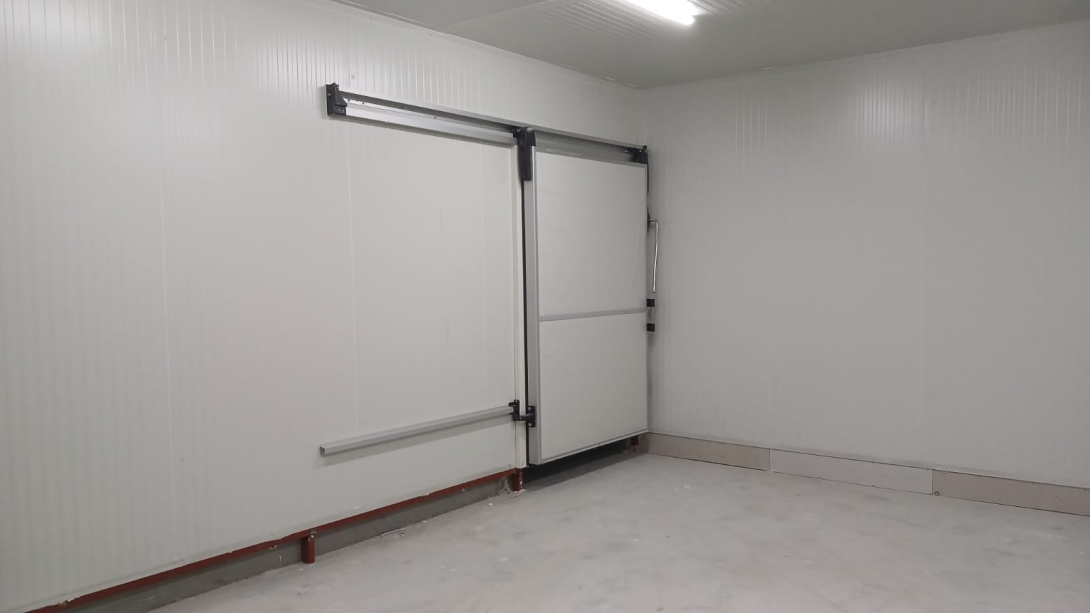
Sliding Freezer Door Protection Against Daily Impacts at the Freezer Threshold

Daily impacts at the freezer threshold can shorten the door’s lifespan, compromise its seal, and slow down freezer traffic. Sliding freezer doors help reduce wear and tear and maintain reliable access.

Daily Impacts at the Freezer Threshold

When the threshold is repeatedly struck daily by hand trucks, pallet jacks, wheeled racks, and fast-moving personnel, a sliding freezer door is often a better solution. In high-traffic freezer rooms, the problem is rarely limited to just the door panel. The main stress concentrates on the threshold, frame edges, gaskets, and the approach area; here, constant contact gradually transforms a functional entrance into a maintenance point.

This is important because the impact of threshold impact is not merely cosmetic. As the opening begins to endure repeated misuse, alignment becomes compromised, gaskets are strained further, movements become stiff, and the room starts to lose reliability at one of its most heavily used points.

The Threshold Bears More Load Than Most Teams Expect

In many freezer rooms, the threshold is where operational stress first becomes visible. Staff may move quickly, carts may enter at slight angles, and pallet jacks may pass through the entrance dozens of times a day. Even if the room is well-built, the door may begin to wear out if it wasn’t selected based on actual traffic behavior.

This is particularly true in warehouses, food processing facilities, supermarket backrooms, commercial kitchens, and distribution areas where the freezer entrance is part of a repeated route. In these environments, the threshold is not a passive detail. It is an impact zone.

The problem isn’t always dramatic at first. It usually starts with small impacts, worn edges, stretched bottom seals, difficult passages, or minor alignment changes that seem manageable. Over time, these repeated impacts form a pattern, and this pattern begins to shape the performance of the entire opening.

Why Do Daily Threshold Impacts Become an Operational Problem?

A freezer inlet subjected to constant impact does not fail simply because something breaks. It fails because the repeated contact creates friction throughout the system.

The first issue is the disruption of movement. When it becomes difficult to pass through the threshold smoothly, traffic slows down. Staff begin to adjust their path, take wider angles, or use the door entrance more carefully. Something that should be routine starts to feel resistant.

The second issue is hardware and seal strain. Repeated impacts on the lower region of the opening can affect closing consistency, compression sealing, frame stability, and long-term motion quality. A door may still open and close, but it begins to do so less reliably.

The third issue is the pressure of hygiene and appearance. In freezer environments where cleaning routines and inspection readiness are critical, a worn-out, sagging, or poorly maintained entrance can undermine the impression that the room is properly managed. For visible back-of-house areas, this is more important than many teams realize during the purchasing process.

The Risk of Underestimating Threshold Damage

A door system may appear adequate on installation day, but under real-world traffic, it can become a poor choice. This is why frozen threshold impact becomes such an expensive blind spot.

When an entrance is not designed to withstand repeated contact, the result typically manifests in several ways simultaneously:

  • increased wear on the edges and bottom area
  • increased pressure on seals and closing consistency
  • slower passage of hand trucks and pallet jacks
  • increased maintenance needs around the entrance
  • a less controlled appearance at the entrance
  • pressure to replace sooner than expected

Therefore, threshold impact should not be dismissed as a minor issue. In high-traffic freezer rooms, this is an inherent part of the application. If daily contact is foreseeable, the entrance should be designed with this reality in mind rather than being left to absorb damage over time.

Sliding and Swing Doors for Freezer Entrances Subject to Impact

For freezer entrances where the threshold experiences frequent contact, the fundamental comparison is typically between sliding access and swing access.

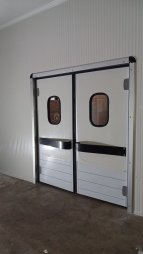
A swing door may still be suitable for smaller, lighter-duty service rooms. However, in areas where wheeled traffic frequently passes through the opening, a sliding freezer door is generally more practical because it keeps the passageway clearer and reduces the potential for additional door movement conflicts that could contribute to impact stress.

Decision FactorSliding Freezer DoorSwing Freezer Door
Threshold traffic suitabilityBetter for repeated crossingsBetter for lighter traffic
Cart and pallet jack movementStraighter passageMore path interruption
Risk of repeated contactEasier to manage around openingMore conflict between traffic and door path
Seal protection over timeBetter when opening stays more controlledMore stress in busy use conditions
Entry-zone durability planningStronger fit for impact-prone routesBetter in simpler applications
Long-term operating feelMore stable in hard-working spacesCan feel under-specified sooner

Decision Factor Sliding Freezer Door Swing Freezer Door

Threshold traffic suitability Better for repeated passages Better for light traffic

Cart and pallet jack movement Smoother passage More path obstruction

Risk of repeated contact Easier management around the opening More interference between traffic and the door path

Seal integrity over time Better in situations where the opening remains more controlled More stress under heavy-use conditions

Entry zone durability planning Better fit for routes exposed to impact Better in simpler applications

Long-term performance feel More stable in high-traffic areas May fail sooner

The goal here is not to declare one format universally superior. The goal is to adapt the opening to the type of stress it will actually be exposed to. As threshold impact becomes a part of daily use, the access style becomes even more important.

Why Do Sliding Freezer Doors Manage Threshold Pressure Better?

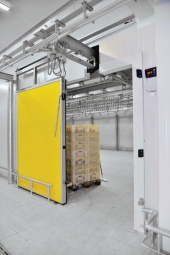
Sliding freezer doors help by reducing conflict at the opening. Instead of forcing people and wheeled traffic to maneuver around a moving opening path, they keep the passage cleaner and more direct.

This simple difference makes a big difference. Staff can pass through faster. Carts can move more naturally. The reason for pallet jacks approaching awkwardly decreases. Passing through the opening becomes easier without repeated adjustments, hesitation, or contact.

This is crucial at the threshold because impact is typically the result of poor movement geometry rather than careless use. When traffic lacks sufficient space or the door path complicates the route, contact becomes the norm. A sliding system reduces this friction and makes it easier to maintain the entrance as a workspace.

When properly implemented, the benefit is not just smoother movement. Wear and tear, which typically accumulates in the freezer opening—the first part to fail—is reduced.

What Should a Better Threshold Strategy Include

If daily impacts are part of the environment, the solution must go beyond simply selecting a sliding door. The entire opening must be planned around traffic flow and protection.

A more robust freezer threshold solution typically includes the following:

  • an insulated sliding door structure suitable for freezer conditions
  • durable bottom sealing mechanisms for repeated use
  • threshold design suitable for both pedestrian and wheeled traffic
  • protective plates or guards in areas with a high likelihood of contact
  • frame details designed for long-term alignment
  • hardware selected for frequent cycles and actual operational loads
  • optional sight panels that reduce visibility conflicts at the entrance

These details are important because threshold damage rarely results from a single major failure. It typically stems from repeated minor misalignments between the opening and the path.

A More Suitable Solution for Heavy-Duty Freezer Operations

The right solution depends on how the opening is used daily. A freezer with occasional access, used only by personnel, does not face the same threshold stress as a warehouse freezer with palletized goods, wheeled carts, and constant back-and-forth traffic.

If the operation involves the following, a sliding freezer door is generally a more suitable choice:

  • frequent wheeled traffic
  • narrow approach aisles
  • repeated product movement
  • heavy use throughout shifts
  • limited tolerance for maintenance downtime
  • concerns about long-term ownership costs of the opening

In these cases, the goal is not merely to install a durable door. The goal is to create an entrance that remains controllable, serviceable, and easier to manage when subjected to repeated impacts.

This is where application-focused planning becomes crucial. The Freezewize Refrigeration System is most effective when the opening is treated not merely as a closure point on the wall, but as a true workspace.

Quick Decision Guide

If the frozen threshold is subjected to repeated contact every day and the entrance must remain reliable under wheeled traffic, choose a sliding freezer door.

It is generally a better choice in the following situations:

  • if pallet jacks or carts frequently cross the threshold
  • if the opening is on a high-traffic route
  • if the lower section of the door is exposed to repeated contact
  • if maintenance teams want to reduce recurring issues with the entrance
  • if long-term sealing performance is important
  • if the facility wants to better control wear and tear at the opening

In smaller rooms with lighter traffic and a simpler access layout, a swing door may still be acceptable. However, if impact on the threshold is foreseeable, a sliding access system is generally a more suitable operational choice.

Related Solutions

Projects focused on reducing threshold wear often benefit from simultaneously reviewing adjacent cold storage room components. The most relevant solutions typically include:

  • freezer room insulated panels
  • threshold details for pallet jack traffic
  • protective hardware around cold room openings
  • heated frame and seal systems
  • freezer door sealing components
  • rear-side cold storage layout planning

These relevant solutions help link the door selection to the full performance of the freezer entrance.

FAQ

Why do freezer thresholds wear out so quickly in high-traffic facilities?

Because they absorb repeated crossings, wheeled traffic, low-temperature stress, and daily contact. If the entrance isn’t designed for this load, wear and tear occurs quickly.

Are sliding freezer doors better for thresholds exposed to impact?

In many high-traffic applications, yes. They typically create a cleaner path of travel and reduce motion conflicts that lead to repeated contact.

Can threshold damage affect freezer performance?

Yes. It can affect sealing, alignment, motion quality, maintenance frequency, and the overall reliability of the opening.

What type of traffic causes the most stress on the threshold?

Pallet jacks, wheeled racks, carts, and rapid movement of personnel typically create the most repetitive pressure, especially in narrow approach areas.

Is threshold protection just an accessory decision?

No. In high-traffic freezer rooms, it is part of the operational strategy. The threshold should be determined based on the expected traffic pattern.

When is a swing door still a reasonable choice?

It can still yield good results in smaller freezer rooms where traffic is limited, wheeled equipment is minimal, and daily impact on the door is lower.

Conclusion

Daily impact on a freezer threshold is not a minor wear-and-tear issue. It is a sign that the door bears a real operational load and must be selected accordingly.

In a heavily used freezer room, the best door is one that protects the threshold before it becomes a problem.

For facilities planning a new freezer room or renovating an entrance under heavy load, a practical review of traffic type, passage frequency, threshold protection, and long-term maintenance tolerance will ensure a more robust access decision.


Fill the Form!

Write your needs and fill the form to contact us.

Freezewize | Industrial Cooling Systems & Custom Cold Room Solutions
Merhaba, Size yardımcı olabilir miyiz ?
Whatsapp Destek