




Freezewize | Industrial Cooling Systems & Custom Cold Room Solutions

Smarter Flow Through Frozen Openings

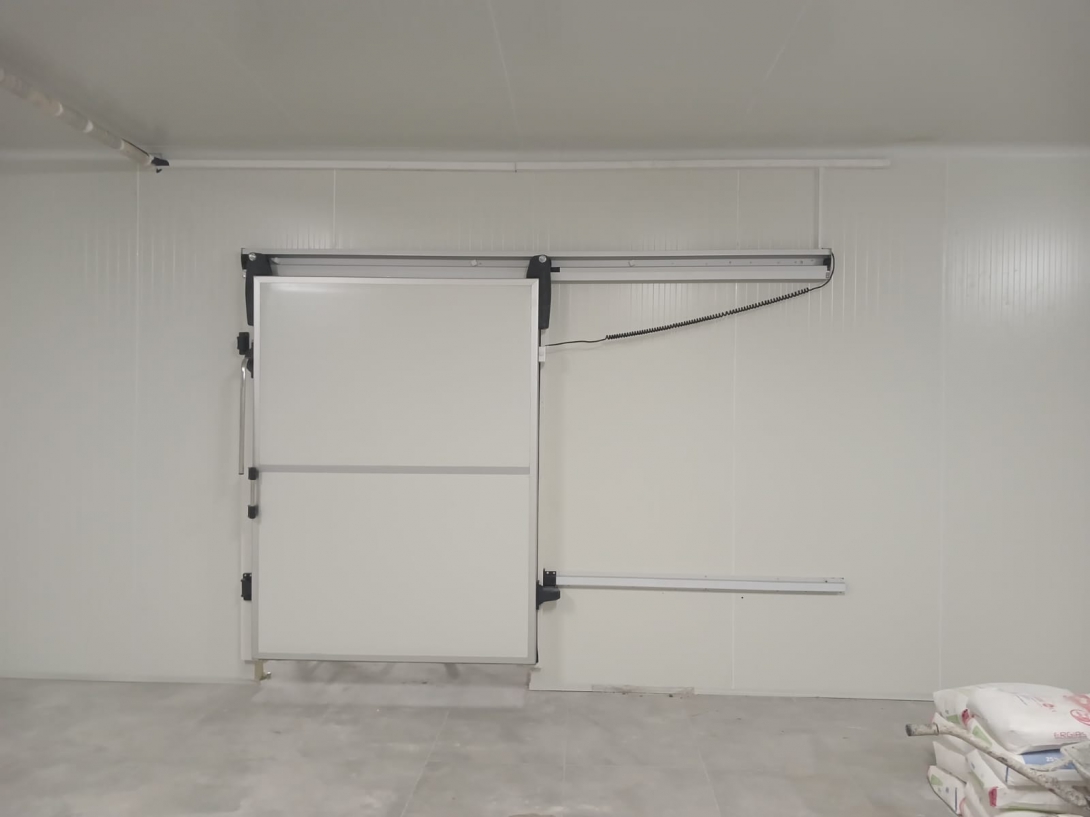
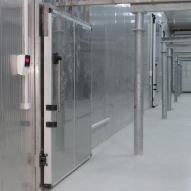
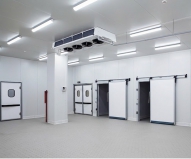
Sliding doors for freezers: optimized traffic flow in frozen storage areas
Sliding freezer doors improve traffic flow in freezer areas by reducing clutter, maintaining temperature control, and promoting safer and faster daily movement.

Smoother traffic flow in freezer zones

A freezer sliding door is often the best choice when an opening must withstand constant traffic without turning the passageway into a bottleneck. In high-traffic freezer environments, flow is just as important as insulation. If the opening slows people down, interrupts the movement of carts, or forces impractical entry patterns, the freezer begins to lose efficiency precisely where the operation needs control.

That’s why smoother traffic flow isn’t just about speed. It’s about streamlining movements, reducing unnecessary door-opening time, and ensuring that the freezer’s opening facilitates operations rather than hindering them. In high-activity facilities, this difference is felt every day.

Flow issues begin before anyone even recognizes them as problems

Most problems related to freezer openings do not start with obvious malfunctions. They begin with small, repeated interruptions that gradually become the norm.

A cart hesitates at the threshold. A staff member changes direction to clear the way through the door. Another opening cycle takes a few seconds longer than it should. A busy team begins to accept delays as part of daily life. That’s when workflow starts to break down. Not because the freezer is poorly designed, but because the access point doesn’t support the surrounding traffic patterns.

This phenomenon is common in warehouses, food processing areas, supermarket backrooms, kitchens, and cold storage rooms where the freezer entrance is part of a repeated route. Under these conditions, the door is not just a barrier. It is part of the operational rhythm.

When the opening creates friction

A refrigerated opening should facilitate the organization of movement, not complicate it. But an unsuitable access method often creates tangible friction.

The opening may require too much clearance around the doorway. It may interrupt a straight-line movement. It may seem acceptable for moderate use, but start to become a nuisance as soon as traffic increases. Staff may be forced to slow down at the threshold, handle the door with more care than intended, or go around the doorway instead of passing through it.

These frictions affect more than just comfort. They influence work efficiency, the flow of movement, temperature maintenance, and even the overall atmosphere of the cold room. In many facilities, the doorway is the point where a technically functional room begins to feel undersized from an operational standpoint.

The risk of a poor choice regarding traffic flow

A door can be perfectly airtight and open and close properly while still being the wrong choice for the application. This is what makes the wrong choice of access costly.

The first risk is a slowdown in daily operations. In a very busy facility, repeated hesitations when opening the door quickly add up. What seems like a minor delay for a single entry becomes a significant hindrance over the course of an entire shift.

The second risk is increased maintenance pressure. Cold room doors are subject to repeated use, impact risks, low-temperature stresses, and constant handling. If the door system is not suited to the actual workload, the seals, hardware, edges, frames, and thresholds begin to show signs of wear sooner.

The third risk is less rigorous temperature control. When an entrance leads to awkward movements or longer opening times, the freezer is exposed to more thermal disturbances than necessary. This does not always result in a dramatic event. More often than not, it manifests as a subtle but repeated loss of performance around the opening.

The fourth risk is long-term buyer’s remorse. A system may seem acceptable on installation day, yet give the impression that the opening was never truly designed for the traffic it receives.

Sliding or swing access

For cold room openings, the most important comparison is generally between sliding access and swing access. The right answer depends on the opening’s use, the surrounding space, and the frequency of traffic.

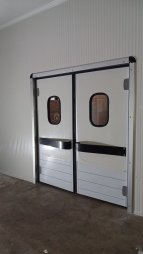
A swing door may still be suitable in smaller cold rooms or those with low traffic. But when the opening is located on a high-traffic route, must withstand repeated comings and goings of personnel, or accommodate carts and rolling traffic, a sliding door often provides a smoother passage.

Decision-making factorSliding freezer doorSwing freezer door
Traffic flowBetter suited for frequent trafficBetter suited for less frequent use
Space requiredKeeps the surrounding area clearerRequires maneuvering space
Movement of carts and shelvingPromotes a straighter approach and exitMay interrupt the path of movement
Openings used continuouslyMore suitableMay cause repeated delays
Long-term access efficiencyPerforms better in active operationsBetter in simpler configurations
Supports temperature controlHelps reduce avoidable access frictionMore likely to remain open longer during peak traffic

It’s not a matter of determining whether one type of door is universally better. It’s about choosing the opening system that best suits the freezer’s actual workload.

Why sliding freezer doors improve traffic flow

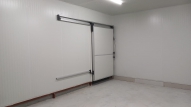
A sliding freezer door improves traffic flow because it eliminates one of the most common sources of access friction: the opening path.

When the door opens sideways, the aisle remains clearer, the approach is more direct, and the threshold is easier to cross. Staff do not have to navigate around the door’s swing arc. Carts can move in a more predictable manner. Entering and exiting can be done with less disruption to nearby activities.

This is important in operations where opening the freezer is part of a broader traffic flow. A processing room, distribution area, or backroom storage area requires access that feels controlled and efficient, not haphazard. In these applications, better traffic flow means faster passage, fewer minor delays, and less daily wear and tear caused by clumsy handling.

A well-designed sliding door also contributes to a better freezing environment, beyond just traffic flow. It can be equipped with a low-temperature sealing system, durable hardware, a suitable threshold, protective details, and visibility features where traffic safety is paramount. The result is not simply a door that slides. It is an access system designed with operational realities in mind.

What a smarter flow really requires

Better flow in the freezer doesn’t depend solely on the door panel. It depends on the design of the opening as a whole.

A more robust door solution for cold rooms typically includes the following:

  • an insulated door construction designed for cold room use
  • hardware designed for frequent opening cycles
  • seals suitable for low temperatures
  • a threshold design suitable for pedestrian traffic or the passage of carts
  • protective elements where contact is likely
  • frame details ensuring long-term performance
  • optional glazed panels when safety of movement depends on visibility

This is where many specifications improve. Instead of simply asking which door fits the opening size, the better question is which door system will remain effective after months of constant traffic, intensive cleaning, and use in a cold room.

Adapt the opening to the operation

Not all freezer openings are subject to the same stress. A small room accessed only occasionally does not necessarily require the same solution as a freezer aisle used all day long by staff and carts.

That is why the freezer sliding door must be adapted to actual operating conditions:

  • opening frequency
  • width of the traffic lane
  • traffic restricted to staff or mixed (staff and carts)
  • available space around the opening
  • hygiene and cleaning requirements
  • Exposure to shocks or impacts
  • tolerance for maintenance downtime
  • desired service life

When the choice takes these realities into account, the opening seems to function more naturally. Otherwise, the door becomes an obstacle that the team must navigate around every day.

This is also where solution planning takes precedence over a product-centric approach. The Freezewize cooling system is more effective when the door is viewed as an integral part of a functional freezing environment rather than as a standalone accessory.

Quick Decision Guide

Choose a freezer sliding door when the freezer opening is part of a high-traffic daily route and efficient passage is important.

This is generally the best option when:

  • staff frequently pass through this opening
  • carts, shelving, or pallet jacks cross the threshold
  • space is limited
  • the opening is wide enough that a hinged door seems inefficient
  • the site wants a smoother flow of traffic with less daily friction
  • Long-term practicality takes precedence over short-term simplicity

A freezer with low usage and minimal traffic can still function well with a simpler access method. But when the opening must withstand repeated movements under real operational pressure, sliding access generally yields better results.

Related Solutions

Teams tasked with evaluating freezer doors to optimize traffic flow are often well-advised to examine adjacent cold storage components in parallel. Relevant internal links to explore generally include:

  • insulation panels for cold rooms
  • heated frame and seal systems
  • threshold solutions for cart traffic
  • protective hardware around cold room openings
  • freezer door sealing components
  • backroom cold storage layout solutions

These related pages help link door selection to the overall performance of the cold room.

FAQ

Are sliding freezer doors better suited for high-traffic openings?

In many high-traffic applications, yes. They generally allow for smoother movement, reduce hesitation when opening, and improve door operation during repeated daily use.

Do sliding freezer doors facilitate cart traffic?

Yes, especially when the width of the opening, the threshold design, and protective elements are planned from the outset to accommodate cart traffic.

Can the choice of doors influence workflow in the freezer?

Absolutely. The door determines how quickly people and goods move through the room, the wait time at the threshold, and the level of friction in daily operations.

Is a sliding freezer door always the right solution?

Not always. Smaller, less-frequented cold rooms can work very well with other types of access. The appropriate choice depends on the type of traffic, headroom, and frequency of use.

What matters most for a freezer door in daily use?

Above all, suitability is key. A well-thought-out combination of access type, hardware, sealing, threshold design, and durability ensures better long-term performance.

Do smarter openings also make maintenance easier?

Yes. When the door is suited to the actual workload, the system generally experiences less unnecessary stress and becomes easier to manage over time.

Conclusion

Smarter traffic flow through cold room openings results from adapting the door to the facility’s actual traffic patterns. When the access point manages traffic smoothly, the cold room operates more efficiently, movements become more predictable, and the room experiences less daily wear and tear.

In a high-traffic freezer, the best door is one that protects the airflow as reliably as it protects the temperature.

For new projects or retrofit decisions, a practical assessment of traffic flow, headroom, and long-term operating pressure generally leads to a more effective freezer access solution.


Fill the Form!

Write your needs and fill the form to contact us.

Freezewize | Industrial Cooling Systems & Custom Cold Room Solutions
Merhaba, Size yardımcı olabilir miyiz ?
Whatsapp Destek