




Freezewize | Industrial Cooling Systems & Custom Cold Room Solutions

Freezer Access Under Constant Load

Performance of Sliding Freezer Doors for Access to a Constant-Load Freezer

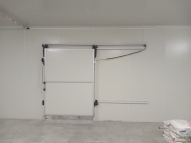
A sliding freezer door provides faster and cleaner access to the freezer under constant load by reducing congestion in the aisles, maintaining temperature stability, and reducing long-term maintenance requirements.

Performance of a freezer sliding door under constant load

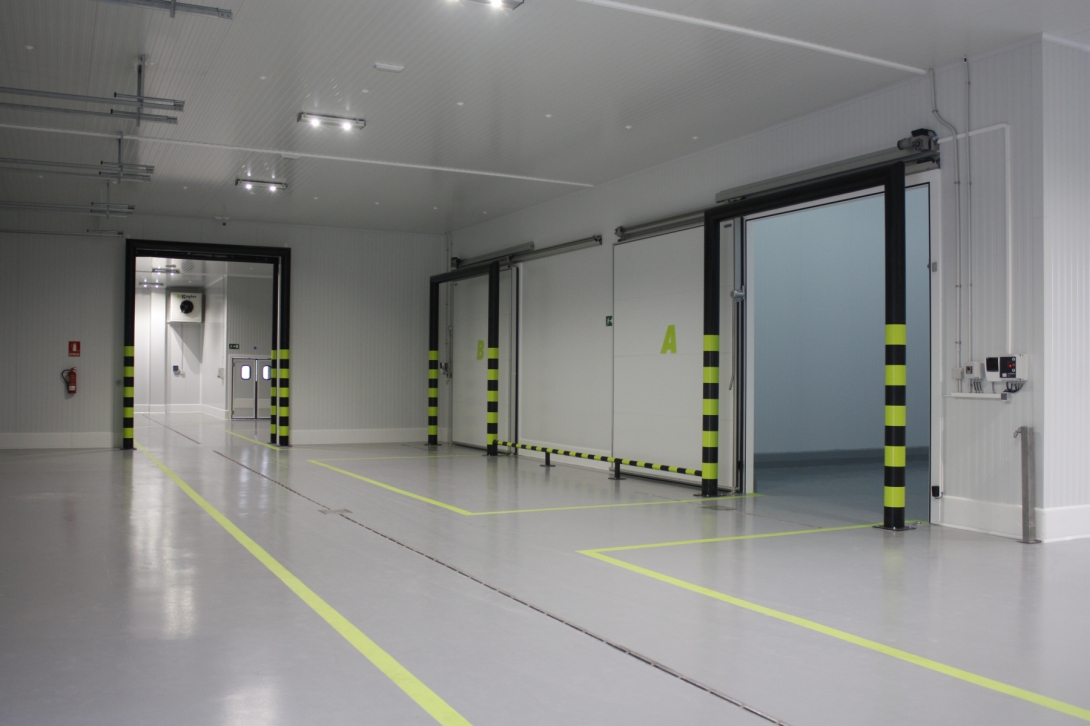
A sliding freezer door is often the ideal solution when a cold room is subject to constant traffic, repeated openings, and limited space around the entrance. In demanding environments, the door is not a minor detail. It directly affects travel speed, temperature maintenance, hardware wear, and the reliability of daily operations.

Under constant load, freezer access issues rarely manifest as dramatic failures. Instead, they result in slow movement, difficult cart handling, strain on the seals, frost buildup on the frame, impact damage, and a growing sense that the entrance is working against the room rather than supporting it.

The real pressure begins the moment it opens

In high-traffic freezer environments, the access point bears greater operational pressure than many teams realize. The question isn’t simply whether the chamber can stay cold. The question is whether the entrance can keep pace with actual usage without creating friction.

This pressure becomes evident in facilities where staff are coming and going all day, where pallet jacks are constantly passing through the same opening, and where product handling must remain fast without turning the door into a bottleneck. Under these conditions, a poor door choice can quietly undermine the performance of an otherwise well-built cold room.

A cold room entrance subjected to constant traffic must fulfill several functions at once. It must help maintain temperature, remain usable in low-temperature conditions, withstand repeated movement, and remain easy to clean and maintain. If any of these priorities are neglected, the cold room may continue to function, but its day-to-day efficiency begins to erode.

Where Access to the Freezer Is a Problem

Access to a freezer under constant load generally becomes difficult for practical, not theoretical, reasons. The opening may be too narrow for traffic flow. The opening path may obstruct carts or shelving. The hardware may feel unstable after repeated use. The seals may begin to lose their effectiveness before the rest of the chamber shows visible signs of wear.

That is why the choice of doors should never be considered a mere afterthought. In freezing operations, the entrance affects:

  • the speed at which personnel move
  • the movement of pallet jacks and carts
  • temperature maintenance during repeated openings
  • access for cleaning and hygiene routines
  • impact exposure during opening
  • long-term replacement schedule

When an unsuitable door type is installed, the problem is not limited to the threshold. It affects working hours, maintenance planning, the pace of product handling, and overall confidence in the facilities.

The Cost of a Poor Choice

A door may function technically while still being a poor choice for the application. This is particularly true in cold rooms subject to constant traffic.

An unsuitable entrance often first creates friction in the workflow. Staff must slow down, change direction, wait for the passage to clear, or go around the door rather than through it. Over time, these inefficiencies become the norm within the facility, even though they continue to cost time every day.

The second issue is the maintenance burden. When a door is exposed to frequent movement, impacts, thermal stress, and heavy use, weaknesses in the hardware quickly become apparent. Tracks, rollers, seals, frames, thresholds, and protective components are all more critical in a cold room than in a less intensively used refrigerated space.

The third issue concerns the cost of ownership. A poor choice may not result in immediate failure, but it can accelerate the door’s aging, increase the need for adjustments, and lead to an earlier replacement cycle. Teams then come to the same conclusion: the cold room was usable, but the access system was undersized from the start.

Sliding or hinged access in high-traffic cold rooms

The key comparison is generally not about which door type performs best overall. It is about determining which one best suits the traffic flow, the size of the opening, and the operating pressure of the room.

A sliding cold room door is generally a better choice when space optimization, frequent access, and unobstructed traffic lanes take precedence over occasional, infrequent entries. A swing door may still be suitable in smaller rooms or for openings with low usage intensity, but under constant load, the opening path itself can become a problem.

Decision FactorSliding freezer doorHinged freezer door
Frequency of useBetter suited for repeated daily useBetter suited for less frequent use
Clearance in the aisleAllows for a clear swing spaceRequires free space for the turning radius
Movement of carts and pallet jacksMore efficient for continuous flowMay interrupt the travel path
Suitable for large openingsExcellent option for wider access pointsLess practical as size increases
Vulnerable to impactCan be strategically protected around the openingThe door leaf is often subjected to direct and repeated impacts
Workflow consistencyBetter in high-pressure operationsBetter in simpler room layouts

This comparison is not intended to portray hinged access as a subpar solution. It is about recognizing that constant loads influence the choice of door. What seems acceptable in a low-traffic room often becomes frustrating in a high-use freezer application.

Why sliding freezer doors are suitable for high-volume operations

A sliding freezer door works well in these environments because it solves several operational problems at once.

First, it eliminates the need for a swing radius. This is more important than many projects realize. In narrow aisles, backroom corridors, and high-traffic freezer zones, the space required for swinging can slow down movement, increase the risk of contact, and make handling carts more difficult than it needs to be.

Second, it promotes smoother traffic flow. Staff can approach, open, pass through, and continue moving without getting in the way of the door’s path. This is useful in warehouses, food processing areas, supermarkets, distribution zones, and commercial kitchen support areas where opening the freezer is part of a repeated route rather than an occasional entry point.

Third, a properly designed sliding freezer door can be tailored to the actual requirements of a low-temperature environment. This includes insulated construction, a sealing system suitable for low temperatures, reliable hardware, appropriate frame details, and access components selected for repeated use rather than occasional operation.

In a properly designed environment, the door does more than simply close an opening. It integrates into the room’s operational logic.

What a good freezer door system must take into account

In constant-load applications, performance depends on the entire access system, not just the door panel itself. A better solution generally considers the opening as a whole and its behavior during daily use.

Key design priorities often include:

  • an insulated door panel suitable for freezer conditions
  • a track and roller system resistant to repeated cycles
  • sealing performance that promotes temperature control
  • frame and perimeter details that reduce icing and wear
  • threshold design accounting for the movement of carts, pallet jacks, or racking
  • Impact protection where heavy traffic is expected
  • Optional vision panel when visibility improves safety and traffic flow

It is also at this stage that many buyers make a more informed decision. Instead of simply asking, “Which door fits the opening?”, they ask: “Which access system will remain effective after repeated use of the cold room, cleaning cycles, and operational stresses?”

This shift generally leads to a better long-term outcome.

Matching the door to the application

Choosing the right sliding freezer door depends on the room’s use, not just its dimensions.

A food processing facility where staff enter frequently may require a different access balance than a cold storage warehouse handling carts and batch loads. A processing area may prioritize hygiene, ease of cleaning, and readiness for inspections. A distribution space may prioritize quick, straight-line movement and minimizing congestion at the threshold.

That is why specifications must be tied to actual conditions of use:

  • frequency of opening
  • direction of traffic
  • width and type of goods being transported
  • risk of accidental contact
  • cleaning procedures
  • visibility requirements
  • maintenance tolerance
  • expected service life

When these factors are ignored, the result may seem adequate on paper but prove unsuitable for use.

Quick Decision Guide

Choose a sliding freezer door when the opening is part of a frequently traveled path, aisle space is limited, and direct access is important.

This is generally the best choice when:

  • the cold room experiences heavy daily traffic
  • pallet jacks, carts, or shelving pass through the opening
  • the space required to open the door would disrupt the workflow
  • the opening is wide enough that using a hinged door becomes impractical
  • you want better long-term control over wear and friction associated with access

A simpler access method may still be suitable when entries are infrequent, the opening is small, and the room is not subject to constant operational pressure. But when access to the freezer is part of the daily production rhythm, a sliding system is often the most stable solution.

Related Solutions

Teams evaluating freezer sliding doors often consider related solutions in parallel to improve the room’s overall performance. The most relevant internal content opportunities generally include:

  • cold room insulation panels
  • hardware systems for cold room doors
  • heated frame and seal solutions
  • impact protection around cold room openings
  • design of cold room and freezer thresholds
  • Cold room layout in high-traffic back-of-house areas

These topics help buyers view the choice of door within the broader context of the operating environment, rather than as an isolated component.

FAQ

Are sliding freezer doors better suited for constant traffic?

Yes, this is the case in many high-traffic applications. They promote smoother traffic flow, prevent path conflicts, and generally facilitate repeated access in cramped or heavily trafficked areas.

Are sliding freezer doors suitable for pallet jack access?

Yes, particularly when the opening width, threshold design, and surrounding protection are planned from the outset to accommodate the movements of pallet jacks.

Do sliding doors reduce temperature loss in freezers?

They can contribute to better temperature control when combined with proper sealing, correct installation, and a traffic flow plan that promotes faster and more direct access.

What is the most important feature of a heavy-duty freezer door?

There is no single defining feature. For constant-load applications, it is the combination of insulation, hardware durability, sealing performance, frame quality, and suitability for traffic that matters most.

Are sliding freezer doors harder to maintain?

Not necessarily. A properly specified system can reduce long-term maintenance costs by better adapting to the application. The greatest risk generally comes from choosing a door type that does not match the traffic flow.

Is a vision panel necessary on a freezer sliding door?

Not always, but it can be useful when visibility improves safety, reduces hesitation when opening, and facilitates staff movement.

Conclusion

When access to the freezer is subject to constant traffic, choosing the right door is no longer just a matter of hardware. It is a daily operational decision that affects traffic flow, maintenance, temperature control, and the owner’s long-term confidence.

The right freezer sliding door is one that ensures operations run smoothly without the entrance becoming a problem.

For facilities planning to modernize a cold room or build a new cold storage warehouse, a solution-oriented analysis focusing on traffic flow, opening conditions, and long-term use will generally lead to a better outcome. When this analysis is conducted with a focus on practical application, the Freezewize cooling system can help make opening a freezer a more reliable part of operations.


Fill the Form!

Write your needs and fill the form to contact us.

Freezewize | Industrial Cooling Systems & Custom Cold Room Solutions
Merhaba, Size yardımcı olabilir miyiz ?
Whatsapp Destek