




When Sliding Width Starts Paying Off
Cooler Bi-Parting Sliding Door Benefits for Wide Openings
See when a cooler bi-parting sliding door starts paying off in wide openings by reducing workflow drag, improving access, and lowering long-term strain.
When Sliding Width Starts Paying Off in Cooler Rooms
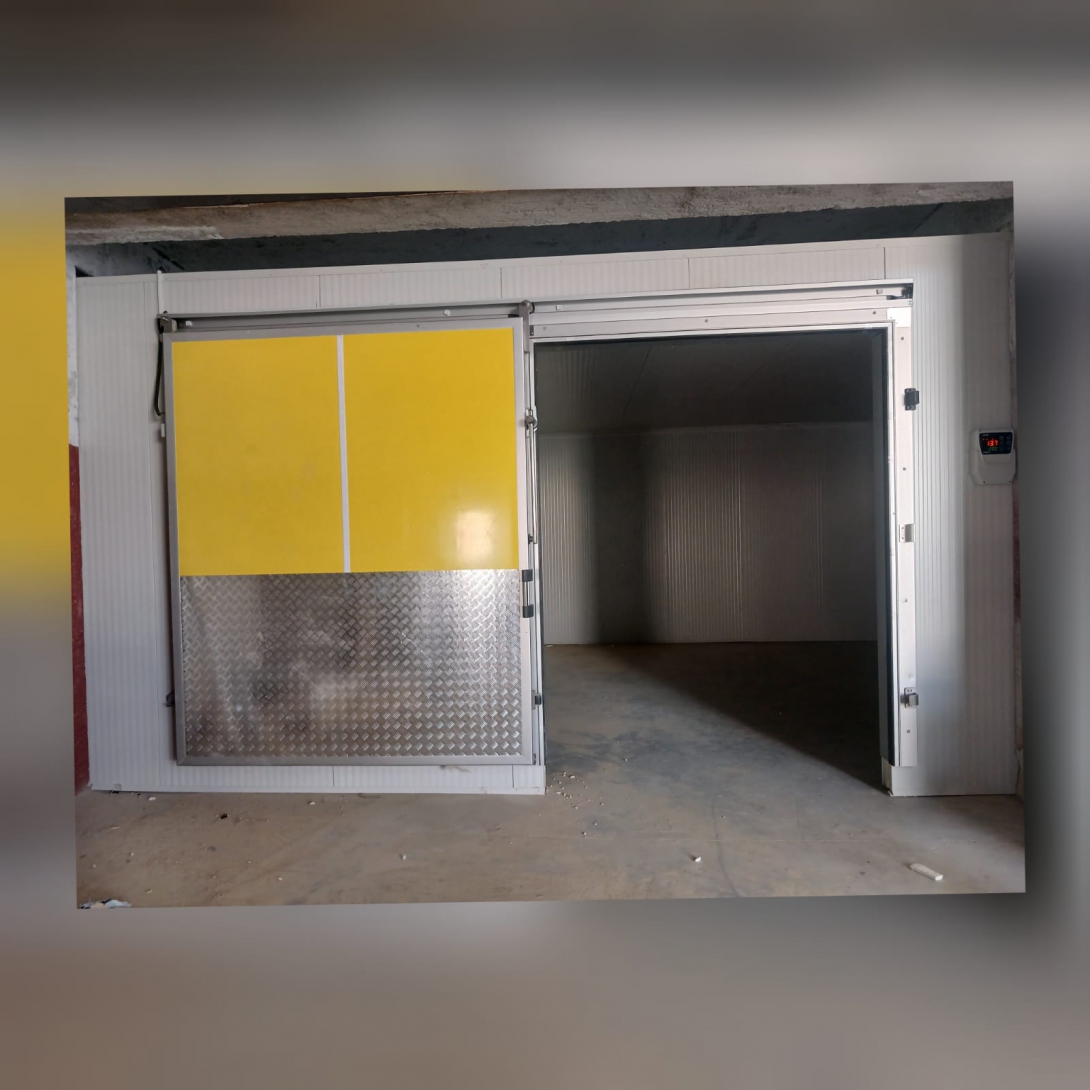
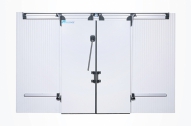
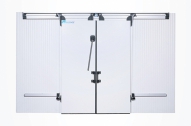
A cooler bi-parting sliding door starts paying off when the opening is wide enough that daily movement begins to feel inefficient with simpler access formats. At that point, the door is no longer just closing a cooler room. It is protecting flow, reducing congestion, and helping the opening work with the operation instead of against it.
This matters most in busy facilities where wide access is used for carts, racks, pallet jacks, and repeated staff movement. When opening width grows but the access logic stays too basic, the room may still function, yet the entrance starts creating labor drag, visible wear, and long-term dissatisfaction.
The Problem Usually Starts Before Anyone Calls It a Problem
In many cooler rooms, the first warning sign is not a failure. It is hesitation.
Staff slow down slightly at the doorway. Carts need extra positioning. The opening feels larger than the access system can handle cleanly. Traffic stacks up during replenishment, prep periods, or shift turnover. None of this looks dramatic on day one, but over time it turns into a very real operating cost.
That is why width matters differently in refrigerated spaces. A larger opening is often specified for the right reasons. Facilities need better clearance, easier product transfer, or smoother movement between work zones. But once width increases, the door has to do more than span the opening. It has to manage that width in a way that still feels fast, controlled, and durable under daily use.
This is where many buyers discover that a door can be technically acceptable and still operationally wrong.
Wider Openings Change the Economics of the Door Decision
A narrow or moderate opening can often perform well with simpler access logic. But when the opening becomes a regular traffic path rather than a basic entry point, the value equation changes.
At a certain width, the question is no longer, “Will this door fit?” The real question becomes, “Will this door still feel efficient after thousands of cycles, repeated cleaning, daily traffic, and constant handling?”
That is when sliding width starts paying off.
A bi-parting sliding layout becomes more valuable as the opening gets wider because it divides movement into two coordinated panels instead of forcing one larger leaf or a less suitable access style to carry the entire burden. That affects more than appearance. It affects how the room works every day.
For facility managers and contractors, this usually shows up in three ways:
- less workflow drag around the opening
- better suitability for wide passage and repeated traffic
- stronger long-term value when maintenance, wear, and replacement timing are considered together
In other words, the return is not only in the door. It is in the operation the door supports.
The Risk of Waiting Too Long to Upgrade the Access Logic
A wide opening with the wrong door can continue operating for a long time. That is exactly why the problem is often underestimated.
The room still holds temperature. The opening still works. The project may even look complete. But the daily penalties keep building in the background. Labor adjusts around the limitation. Staff accept awkward passage as normal. Minor contact damage becomes routine. Cleaning around the entrance becomes more annoying than it should be. Eventually the opening starts feeling like a compromise.
This is the kind of risk professional buyers care about because it affects ownership cost without always showing up in the initial specification.
The wrong access choice for a wide cooler opening can lead to:
- slower movement through a critical path
- higher contact exposure on hardware, frame areas, and adjacent surfaces
- more visible wear in active back-of-house zones
- increased maintenance burden over time
- weaker alignment with hygiene and inspection expectations
- earlier pressure to modify or replace the entrance system
A product can still operate and still leave the user with the feeling that the opening was under-specified from the start.
Bi-Parting Sliding vs. Simpler Door Approaches
When buyers are deciding whether sliding width has started paying off, the most useful comparison is usually not abstract. It is practical.
The decision often comes down to whether the opening has become important enough that a more advanced access format now makes operational sense.
| Access Type | Most Suitable | Key Strengths | Key Limitations |
|---|---|---|---|
| Bi-parting sliding door | Wide openings with frequent movement | More balanced access for high-use cooler rooms | Most justified when width and traffic are both real factors |
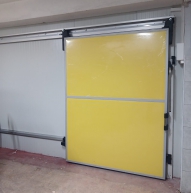
| Single sliding door | Moderate openings with simpler flow | Straightforward for less demanding layouts | Can feel oversized or less efficient as width increases |
| Swing-based access | Lighter traffic and simpler passage needs | Familiar and practical in smaller openings | Clearance, flow, and wide-opening suitability can become limiting |
Door Approach Best Fit Strength Limitation
Bi-parting sliding door Wide openings with frequent movement More balanced access for high-use cooler rooms Most justified when width and traffic are both real factors
Single sliding door Moderate openings with simpler flow Straightforward for less demanding layouts Can feel oversized or less efficient as width increases
Swing-based access Lighter traffic and simpler passage needs Familiar and practical in smaller openings Clearance, flow, and wide-opening suitability can become limiting
The important point is not that one format is always better. The important point is that width changes suitability.
As the opening gets wider, the penalties of an ill-matched system become more noticeable. A single large movement path may start feeling heavy or visually intrusive. A swing-based option may begin to interfere with circulation or clearance. A bi-parting configuration often becomes more attractive because it manages width without making the access experience feel oversized.
Why Bi-Parting Access Starts Making More Sense
The value of a cooler bi-parting sliding door is not just in opening wide. It is in opening wide with better control.
That matters in refrigerated applications because wide openings are rarely decorative. They exist because the room supports real work. Product moves in and out. Staff cross repeatedly. Carts and racks need cleaner passage. Cleaning routines need an entrance that does not create unnecessary friction. The wider the opening, the more exposed those demands become.
A bi-parting layout helps because each panel handles part of the span. The opening action feels more proportionate to the size of the doorway. Movement through the entrance becomes more natural. The access point feels like part of the process rather than a barrier that the process must work around.
This can be especially valuable in:
- supermarket back-of-house cooler rooms
- foodservice and preparation areas
- processing support zones
- warehouse cooler corridors
- distribution environments with repeated internal transfer traffic
In these settings, the door decision is really a workflow decision.
The Solution Is Knowing When Width Becomes Operational
A wide opening does not automatically require a bi-parting cooler sliding door. But once width becomes a daily operating factor, sliding width starts delivering real value.
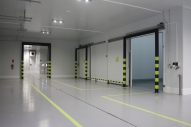
That shift usually happens when the opening is tied to repeated movement, not occasional use. If the room is accessed constantly, if staff and wheeled equipment move through throughout the day, or if the opening sits on a core internal route, then the access system needs to be specified around performance, not just dimension.
This is where The Freezewize Cooling System fits naturally into the conversation. In real projects, the better solution comes from reading how the room behaves under load: how people move, how traffic builds, how cleaning is handled, how the opening presents in a visible work area, and how much maintenance tolerance the facility really has.
That is also why related elements matter. Frame condition, threshold details, sealing performance, visibility needs, hardware protection, adjacent panel layout, and service access all influence whether a wide-opening solution will remain efficient after installation.
Quick Decision Guide
Sliding width is usually paying off when the opening is no longer just a door location and has become part of the operating flow.
A cooler bi-parting sliding door is often the better choice when:
- the clear opening is wide enough that one-panel movement starts feeling inefficient
- carts, pallet jacks, or racks pass through regularly
- staff traffic is frequent across the entire shift
- side clearance or swing clearance is operationally undesirable
- hygiene, appearance, and controlled back-of-house movement all matter
- the facility wants to reduce long-term friction rather than simply close the opening
A simpler door style may still be enough when the opening is used lightly, the traffic pattern is uncomplicated, and width is not central to room performance. But once the opening becomes a repeated movement zone, the better access format often pays for itself in smoother daily operation.
When width becomes part of the workflow, the door must be chosen as part of the workflow too.
Related Solutions
When reviewing a bi-parting sliding door for a cooler room, it often makes sense to look at the surrounding system as well. Relevant internal link opportunities may include:
- cooler room doors for standard-traffic access points
- freezer sliding doors for lower-temperature zones
- cold room panels for full insulated envelope planning
- door protection hardware for impact-prone openings
- thresholds, seals, and vision panels for access control and usability
- warehouse and food facility cold storage solutions for application-specific layouts
These related pages help buyers think beyond one opening and build a more complete refrigerated access strategy.
FAQ
When does a bi-parting sliding door make more sense than a simpler cooler door?
It usually makes more sense when the opening is wide, traffic is frequent, and the entrance has become part of the daily workflow rather than a basic access point.
Does wider opening size automatically justify a bi-parting door?
No. Width alone is not enough. The better indicator is whether that width is used under regular traffic, wheeled movement, and operational pressure.
Can a cooler room function with a less suitable wide-opening door?
Yes, but function is not the same as fit. The room may still operate while creating extra labor drag, wear, and long-term dissatisfaction.
Is this type of door better for cart and pallet jack movement?
In many cases, yes. A bi-parting sliding layout can create a more balanced and practical passage for repeated wheeled traffic through a wide cooler opening.
What should buyers evaluate before specifying one?
They should look at opening width, traffic frequency, clearance conditions, hygiene expectations, equipment movement, maintenance tolerance, and how the doorway fits into the full cooler room layout.
Does bi-parting access help long-term ownership value?
It often does when the opening is heavily used. The benefit usually comes from smoother operation, better suitability, and reduced long-term strain on the entrance area.
Conclusion
The value of a wide-opening access system is not measured by width alone. It is measured by what that width does to the operation every day.
A cooler bi-parting sliding door starts paying off when the opening becomes a real traffic asset and the access system must protect speed, control, and durability at the same time. If the opening is wide enough to affect workflow, it is wide enough to deserve a better access strategy.
For teams planning a new cooler room or correcting an underperforming entrance, the smartest next step is to evaluate how the opening is actually used so the final door choice supports the room for the long term.