




Faster Passage at Refrigerated Entrances
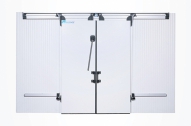
Cooler Bi-Parting Sliding Door for Faster Refrigerated Entrance Flow
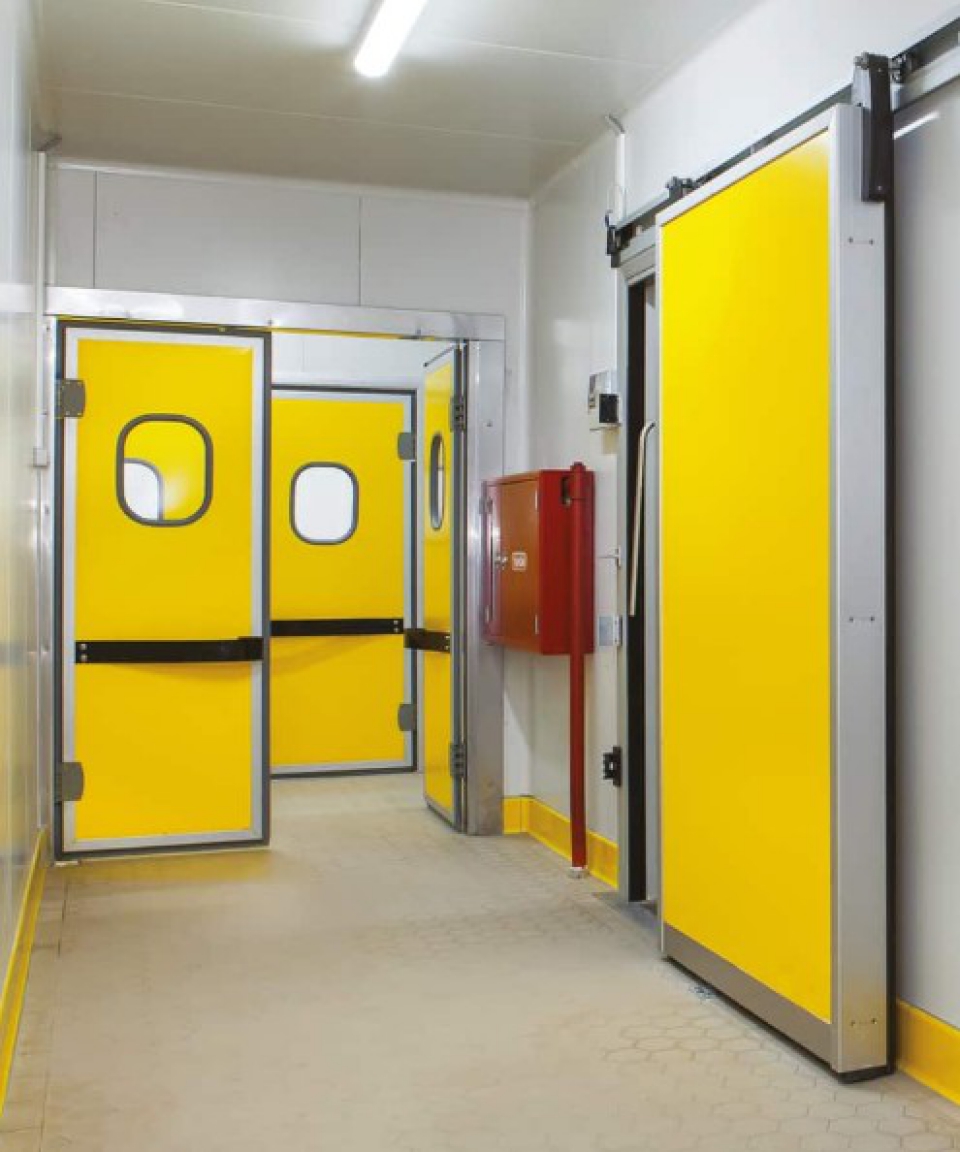
Speed up refrigerated entrances with a cooler bi-parting sliding door that improves passage, reduces workflow drag, and supports cleaner daily operation.
Faster Passage at Refrigerated Entrances
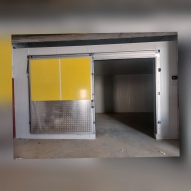
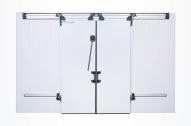
A cooler bi-parting sliding door is often the best choice when a refrigerated entrance needs to move people, carts, and product more efficiently without turning access into a daily slowdown. By dividing the opening into two sliding panels, it helps wide entrances feel quicker, more controlled, and better suited to constant traffic.
That matters because refrigerated entrances do more than separate temperature zones. In busy operations, they shape labor flow, cleaning routines, product handling, and the overall rhythm of the room. When the entrance moves poorly, the whole space starts working harder than it should.
Where Entrance Delays Start Showing Up
Most refrigerated entrance problems do not begin with a breakdown. They begin with a pattern.
Staff hesitate for a second before entering. A cart needs to be lined up more carefully than it should. Two-way movement becomes awkward during replenishment or prep periods. A pallet jack clears the opening, but not smoothly enough to keep the flow clean. Nothing looks catastrophic, yet the entrance starts creating friction every day.
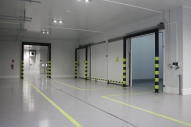
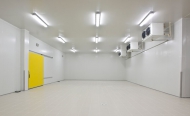
This is especially common in cooler rooms connected to active back-of-house operations. Supermarkets, food processing areas, commercial kitchens, warehouse transfer zones, and distribution spaces all depend on movement that feels natural under pressure. The entrance is part of that performance. If access feels heavy, slow, or oversized in the wrong way, productivity gets chipped away in small but repeated increments.
That is why faster passage matters. It is not just about opening speed in isolation. It is about whether the doorway supports the pace of the facility without adding unnecessary drag.
Why Refrigerated Entrances Become Operational Bottlenecks
A refrigerated entrance often looks simple on a layout. In practice, it carries more responsibility than many buyers first expect.
It has to handle repeated traffic while protecting the controlled environment. It has to allow passage without encouraging impact damage. It has to fit cleaning routines, maintain a professional back-of-house appearance, and avoid becoming a maintenance headache after installation. Once the opening serves both people and wheeled traffic, the wrong access setup starts showing its limits quickly.
The most common issue is mismatch. A door may be technically functional, but it may not suit the width of the opening, the traffic frequency, or the clearance needs around the entrance. When that happens, the facility does not get a clean operating transition. It gets an obstacle that everyone learns to work around.
In the US market, that kind of mismatch carries real consequences because operators are not only thinking about cold retention. They are also thinking about labor efficiency, durability, inspection readiness, visible standards, and long-term ownership cost.
The Risk of Choosing an Entrance That Only “Works”
One of the most expensive specification mistakes is assuming that basic function is enough.
An entrance can open, close, and seal, yet still create a poor daily experience. That is often how wide refrigerated access points underperform. The system technically operates, but it does not move with the pace of the room. Over time, that gap between function and suitability becomes expensive.
A poorly matched entrance can lead to:
- slower passage during peak activity
- more contact around frames, panels, and nearby wall surfaces
- higher daily strain on hardware and moving parts
- a less efficient path for carts, racks, and pallet jacks
- more visible wear in high-traffic areas
- earlier replacement pressure because the opening never feels right in use
This is why buyers should not ask only whether a door fits the opening. They should ask whether the entrance will still feel efficient after months of repeated traffic, cleaning, and handling. A door that merely works can still leave the operation with the feeling that the access point was underplanned from the beginning.
Bi-Parting Sliding vs. Single-Panel Entrance Logic
When faster passage is the priority, the key comparison is often bi-parting sliding versus single-panel access.
The difference is not cosmetic. It changes how the opening behaves in real use. A single larger moving leaf may be workable in some layouts, but as the opening gets wider and traffic becomes more frequent, one-panel movement can start feeling less proportionate to the job. The opening may still function, but it no longer feels as efficient or as controlled as the operation demands.
A bi-parting configuration improves passage because each side handles part of the span. That typically creates a more balanced opening action and a less cumbersome feel at the entrance.
| Access Type | Most Suitable | Key Strengths | Key Limitations |
|---|---|---|---|
| Bi-parting sliding | Wide refrigerated entrances with regular traffic | Smoother passage and better balance across the opening | Most valuable when width and use level justify the system |
| Single sliding | Moderate openings with simpler movement patterns | Straightforward solution for lighter-duty flow | Can feel less refined as opening width and traffic increase |
| Swing-based access | Smaller openings and lighter personnel use | Familiar format for basic entry points | Clearance and flow become more restrictive in busy refrigerated areas |
Access Format Best Fit Primary AdvantageMain Limitation
Bi-parting sliding Wide refrigerated entrances with regular traffic Smoother passage and better balance across the opening Most valuable when width and use level justify the system
Single sliding Moderate openings with simpler movement patterns Straightforward solution for lighter-duty flow Can feel less refined as opening width and traffic increase
Swing-based access Smaller openings and lighter personnel use Familiar format for basic entry points Clearance and flow become more restrictive in busy refrigerated areas
This is not about saying one type always wins. It is about recognizing when the entrance has become important enough that a more suitable opening strategy starts paying off.
Why Bi-Parting Access Improves Passage
The strongest advantage of a cooler bi-parting sliding door is that it helps a wide refrigerated entrance feel usable instead of oversized.
That matters in real field conditions. Staff do not experience the entrance as a specification sheet. They experience it while carrying product, pushing carts, crossing during rush periods, or trying to move quickly without damaging the doorway. A more balanced opening pattern reduces the sense of resistance that often appears when the entrance width outgrows a simpler access format.
This kind of system is often a stronger fit when the entrance must support:
- repeated employee movement throughout the shift
- frequent cart, rack, or pallet jack passage
- controlled flow in visible back-of-house zones
- cleaner access around refrigerated work areas
- wider openings where side clearance is not desirable
- a more durable, long-term operating feel
In other words, the value is not just in opening faster. It is in creating an entrance that supports faster passage without sacrificing control, usability, or suitability.
The Better Solution Is the One That Matches Traffic Reality
Refrigerated entrances should be specified based on how they are actually used, not just how wide they are.
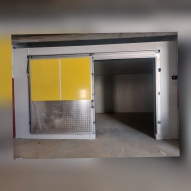
If the opening connects active zones, supports continuous movement, or needs to handle both staff and wheeled traffic throughout the day, the access system must be selected as part of the operational flow. That is where a cooler bi-parting sliding door often becomes the smarter solution. It answers the real issue: not simply how to close a refrigerated opening, but how to keep it productive.
This also explains why the surrounding details matter. Entrance performance is affected by frame integration, threshold condition, sealing strategy, panel alignment, visibility needs, hardware protection, and maintenance access. A well-chosen door works best when it is treated as part of the larger room environment.
In practical applications, The Freezewize Cooling System approaches these entrances as workflow assets rather than isolated components. That leads to better outcomes because the decision is based on passage behavior, not just opening dimensions.
Quick Decision Guide
A cooler bi-parting sliding door is usually the right move when faster passage has become more important than basic closure.
It is often the better choice when:
- the refrigerated entrance is wide and used repeatedly
- carts, racks, or pallet jacks pass through regularly
- traffic builds up at the doorway during normal operations
- a single larger panel starts feeling inefficient in daily use
- the facility wants better flow without compromising control
- long-term usability matters as much as initial installation
A simpler entrance format may still be enough when the opening is smaller, the traffic is lighter, and the access point is not central to workflow. But once passage speed affects the room’s daily rhythm, the entrance needs to be chosen like an operating tool, not just a closing panel.
When the entrance carries the workflow, faster passage becomes a design requirement, not a convenience.
Related Solutions
If a bi-parting sliding door is under consideration, several related solutions often deserve review at the same time:
- cooler room doors for lower-traffic openings
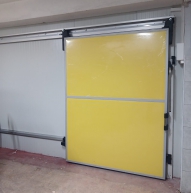
- freezer sliding doors for colder applications
- cold room panels for full insulated envelope planning
- door seals, thresholds, and vision panels for better access control
- impact protection hardware for busy traffic zones
- warehouse and food facility cold storage solutions for layout-specific design needs
These related pages can help buyers build a more complete entrance strategy rather than solving only one doorway in isolation.
FAQ
When does a cooler bi-parting sliding door make sense?
It makes the most sense when a refrigerated entrance is wide, used frequently, and expected to support smooth daily passage for both personnel and wheeled traffic.
Does bi-parting access really improve passage speed?
In many applications, yes. The benefit usually comes from a more balanced opening action and a better fit for wide entrances under regular traffic pressure.
Is this type of door only for very large facilities?
No. It can also be the right choice for mid-size operations if the refrigerated entrance is a busy transition point and access efficiency matters to daily output.
Can a standard door still work at a refrigerated entrance?
It can work, but working is not always the same as fitting well. The real issue is whether the entrance supports flow, durability, and long-term operating comfort.
What should buyers review before choosing this access format?
They should review opening width, traffic frequency, equipment movement, side clearance, hygiene expectations, maintenance tolerance, and how the entrance fits into the overall room design.
Does faster passage help with long-term ownership value?
Often, yes. Better passage usually means less daily friction, smoother movement, and a lower chance that the entrance will feel undersized or poorly matched over time.
Conclusion
Refrigerated entrances do not become productive because they are wide. They become productive when the access system matches the way the facility actually moves.
A cooler bi-parting sliding door is often the right answer when faster passage, smoother daily flow, and better entrance control all matter at the same time. If the opening is part of the workflow, the entrance should be chosen to protect that workflow from the start.
For facilities planning a new refrigerated room or improving an existing entrance, the next step is to assess traffic, width, and daily operating pressure together so the final solution delivers speed, control, and long-term fit.