




Freezewize | Industrial Cooling Systems & Custom Cold Room Solutions

Cleaner Movement in Freezer Rooms

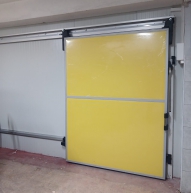
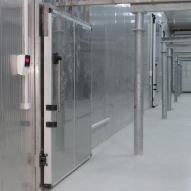
Sliding doors for freezers: for smoother traffic flow in cold rooms
Sliding freezer doors promote smoother traffic flow in cold rooms by reducing clutter, minimizing traffic conflicts, and helping facilities manage traffic flow, hygiene, and wear more effectively.

Smoother traffic flow in cold rooms

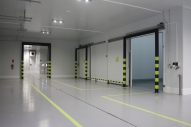
A freezer sliding door is often the best choice when a cold room requires clean, direct, and controlled traffic flow throughout the day. In active cold storage environments, smoother traffic flow is not just about speed. It’s about reducing friction caused by crossings, avoiding disruptive interference between doors and aisles, and facilitating access without disrupting temperature control or daily sanitation routines.

This is important because traffic flow issues in cold rooms rarely start with major failures. They usually begin with small, repeated disruptions at the entrance: carts slowing down, staff changing their routes, traffic build-ups near the threshold, and an entrance that becomes increasingly difficult to keep orderly on a daily basis. Over time, this turns a simple entry point into a source of pressure on workflow and maintenance.

The problem begins when traffic no longer flows smoothly

In high-traffic cold rooms, the entrance must do much more than simply provide access. It must support the room’s actual operations.

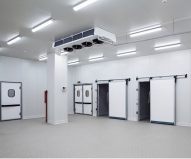
In warehouses, food processing facilities, supermarket backrooms, commercial kitchens, and distribution areas, movements within cold rooms are often repetitive, fast-paced, and directly tied to operational efficiency. Staff may be moving products, passing each other with carts, or entering and exiting during loading, restocking, or production operations. If the door disrupts this rhythm, movements become less fluid and less predictable.

That’s where the real problem begins. A cold room may maintain the temperature correctly and the refrigeration system may function as intended, but the room may still seem operationally inefficient if the entrance creates hesitations, overlaps, or unnecessary contact around the threshold.

Why Poor Traffic Flow Causes More Than Just Delays

Disorganized traffic patterns in cold rooms aren’t limited to the entrance. They tend to affect operations as a whole.

The first impact is friction caused by traffic flow. When the door layout interferes with the natural movement of people and wheeled equipment, every passage becomes slightly less efficient. Staff slow down, approach at a wider angle, or wait for the path to clear. The result isn’t dramatic in the moment, but it becomes costly when repeated throughout the day.

The second impact concerns hygiene and maintenance demands. In cold storage and freezer environments, a cluttered or poorly laid-out entry area is harder to keep clean. When the opening encourages clutter or creates unnecessary contact points, the threshold area can start to look more worn and less controlled than the rest of the room.

The third impact concerns wear and tear. Smoother movements generally mean fewer corrections, fewer impacts, and less stress on the entry system. When movements are awkward, the opposite occurs. Edges, seals, hardware, and surrounding protective elements experience more wear and tear than they should.

The risk of choosing a door that disrupts the space

A freezer door can be technically functional while creating a movement pattern unsuited to the application.

This is one of the most common reasons why facilities are disappointed with an otherwise acceptable cold room. The door closes. The room works. But opening it never feels smooth in daily use. It constantly creates the same minor frustrations: people hesitate, carts bump into the entrance, the passageway feels narrower than expected, and the threshold becomes a visible point of tension.

This type of mismatch has real consequences:

  • slower daily traffic
  • more frequent contact at the opening
  • a less orderly flow of traffic
  • increased attention to maintenance around the entrance
  • more visible wear and tear in a high-traffic area
  • earlier-than-expected replacement pressure

The main problem is simple. A door can serve as a barrier without properly integrating into the room’s traffic flow.

Sliding or swing doors for smoother traffic flow in freezers

For installations where smooth movement is a priority, the most relevant comparison is generally between a sliding freezer door and a swing door.

A swing door may still be a good choice in small rooms where access is infrequent and there is ample clearance around it. But in cold rooms where entries are frequent, traffic is heavy, or service aisles are narrow, a sliding system generally allows for smoother operation because it eliminates the swing radius from the work area.

Decision factorSliding freezer doorSwing door
Aisle CleanlinessBetter for direct accessMore likely to interrupt the path
Clear space aroundAllows for better use of adjacent spaceRequires clearance space
Movement of carts and shelvingPromotes a more linear approachMay require adjustments to traffic flow
Order of thresholdsEasier to controlIncreased risk of congestion
Suitable for active cold roomsMore durable in high-traffic environmentsBetter suited for low-intensity configurations
Long-term motion qualityMore stable over timeMore likely to cause daily friction

This isn’t about presenting one format as universally better. It’s about choosing the type of door that helps the room stay clean in its operation, not just in its appearance.

Why do sliding freezer doors allow for smoother movement?

A sliding freezer door improves traffic flow by reducing congestion around the opening. The door moves sideways, not into the walkway, making the entrance easier to access, easier to clear, and easier to integrate into daily routines.

This offers several advantages. Staff can move through more directly. Carts and roll-top racks can follow a smoother path. The threshold area remains less cluttered because the opening does not interfere with surrounding traffic. In high-volume operations, this type of smoother traffic flow is important because it reduces the number of small interruptions that gradually slow down the room’s operations.

This also helps create a sense of better control over the room. In a freezing environment, an entrance that promotes smooth traffic flow generally leads to cleaner overall operations. The area around the opening remains easier to manage, easier to protect, and easier to keep in compliance with operational standards.

What a better cold room entrance should address

For smoother traffic flow, the solution must go beyond the door leaf itself. The entire entry system must be designed based on how people and products actually move.

A more robust cold room entry system often includes:

  • insulated construction suitable for cold room temperatures
  • reliable tracks and hardware for repeated cycles
  • a threshold design suited to personnel and cart traffic
  • sealing details that ensure a consistent seal
  • protective hardware at predictable contact points
  • Frame design ensuring alignment is maintained over time
  • Optional visibility panels that improve visibility and make passage safer

These details are important because smooth movement does not result from a single feature. It stems from an opening that seems perfectly suited to the workload, the type of traffic, and the layout of the space.

The right choice depends on the operating mode

Not all cold rooms are subject to the same traffic pressure. A small room with occasional entries may not require the same access strategy as a high-traffic cold storage area with constant staff movement and heavy vehicle traffic.

A sliding door for a cold room is generally the most suitable solution when the room has:

  • repeated daily entries and exits
  • carts, pallet jacks, or mobile shelving
  • limited space in the surrounding aisles
  • pressure to maintain staff efficiency
  • a need for a cleaner and more organized entry area
  • low tolerance for repeated friction associated with maintenance

Under these conditions, the best decision isn’t simply to choose a door that closes the opening. It’s about choosing a door that contributes to the room’s better day-to-day operation.

This is where solution-oriented planning becomes more valuable than simply selecting a product. The Freezewize cooling system is particularly useful when the door opening is considered an integral part of the room’s operation, rather than just an element of the wall line.

Quick Decision Guide

Choose a freezer sliding door when smooth operation is just as important as maintaining temperature.

This is generally the best option when:

  • the cold room experiences heavy daily traffic
  • staff and wheeled equipment share the opening
  • the entrance is located on a traffic route
  • the surrounding area must remain clear
  • the site wants a more orderly passageway
  • Long-term suitability takes precedence over the simplicity of minimum specifications

A swing door may still be suitable in small cold rooms where access frequency is low. But when the opening must remain unobstructed for both traffic and monitoring, a sliding door is generally the best operational solution.

Related Solutions

Facilities evaluating freezer doors for smoother movement often benefit from reviewing related cold room components at the same time. The most relevant related solutions generally include:

  • insulated cold room panels
  • heated frame and seal systems
  • threshold details adapted for the passage of carts and pallet jacks
  • impact protection around cold room openings
  • seal and hardware assemblies for freezer doors
  • Cold room layout planning for high-traffic access areas

These related solutions help link the choice of door to the overall performance of the freezer room.

FAQ

Are sliding doors better suited for high-traffic cold rooms?

In many high-traffic applications, yes. They generally promote smoother traffic flow, reduce interference at doorways, and facilitate the management of repeated movements.

What does “smoother traffic flow” mean in a cold room?

It means that traffic flows more directly, with less hesitation, less congestion, fewer contacts when opening, and better control at the threshold.

Can the choice of doors affect hygiene and maintenance?

Yes. A door that causes bottlenecks or awkward movements can make the entry area harder to keep tidy and more prone to wear over time.

Are sliding doors better suited for carts and mobile shelving?

This is often the case, especially when the opening is used repeatedly and direct access is critical to daily workflow.

Does smoother traffic flow also reduce wear and tear?

Generally, yes. When movement is more direct and less disruptive, the opening tends to experience fewer impacts and less repetitive stress.

When is a swing door still a good choice?

It can still be a practical choice for small cold rooms with low traffic, simple layouts, and sufficient space around the door to allow it to open.

Conclusion

Smoother movement in cold rooms starts with a door suited to the facility’s actual operation. When the opening remains unobstructed, controlled, and easier to use, the room becomes more efficient, easier to manage, and more reliable over time.

In a high-traffic cold room, the best door is one that allows for smooth movement before traffic turns into friction.

For facilities planning to build a new cold room or upgrade an existing access point, a practical assessment of traffic patterns, room layout, threshold conditions, and long-term operational pressure will generally lead to a more informed decision.


Fill the Form!

Write your needs and fill the form to contact us.

Freezewize | Industrial Cooling Systems & Custom Cold Room Solutions
Merhaba, Size yardımcı olabilir miyiz ?
Whatsapp Destek