




Freezewize | Industrial Cooling Systems & Custom Cold Room Solutions

Where Sliding Access Earns Its Keep

Return on Investment for Sliding Doors in High-Traffic Cold Rooms
Sliding freezer doors prove cost-effective by reducing traffic-related friction, maintaining temperature control, and reducing maintenance requirements in high-traffic freezers.

When sliding access proves its worth

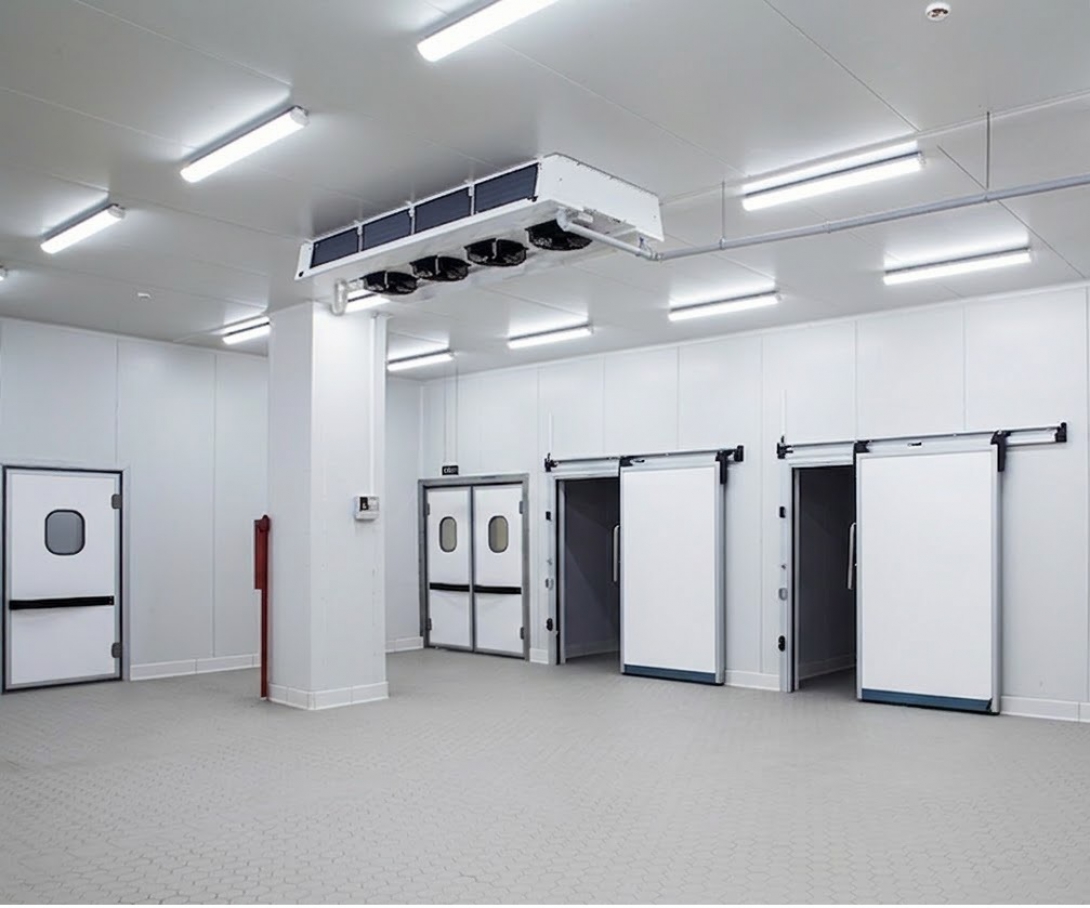
A freezer sliding door proves cost-effective when the freezer is opened frequently enough that every minor delay, every impact, and every maintenance issue begins to cost the operation time and money. In high-traffic cold rooms, the door is not just a means of entry and exit. It affects movement speed, traffic management, the reliability of the seal, and the wear and tear that opening the door inflicts on the facility over time.

That’s why this choice is rarely just about the door itself. It’s about determining whether the access system continues to prove cost-effective through a smoother workflow, a cleaner passage, fewer avoidable disruptions, and more effective long-term control at one of the busiest points in the room.

The cost issue usually starts at the opening

In many cold room projects, the room itself gets the most attention. Panel performance, refrigeration capacity, and layout are all important factors. But it is at the opening where the daily operational strain becomes apparent.

This is particularly true in warehouses, food processing areas, supermarket backrooms, distribution spaces, and commercial kitchens where staff, carts, pallet jacks, or rolling racks move through the freezer all day long. In these environments, the entrance either facilitates operations or quietly hinders them.

This constraint rarely manifests as a spectacular failure. Instead, it results in small, repeated losses: slower traffic flow, impractical passage angles, more frequent contact with the threshold, longer opening times, increased need for adjustments, and greater attention from maintenance teams than the opening should require. Over time, this is precisely where a higher-quality door begins to prove its worth.

Why Some Freezer Doors Are Never Truly Cost-Effective

A freezer door can be technically acceptable while failing the cost-effectiveness test. It may close properly. It may seem perfect on installation day. But if it introduces daily friction, it begins to cost the facility money in ways that are hard to detect during the specification phase.

The first problem is inefficient movement. If staff have to change direction, wait for the passage to clear, or handle the opening with more care than anticipated, the door begins to slow down the flow it was meant to facilitate.

The second problem is concentrated wear and tear. Freezer doors endure repeated use, heavy traffic, stresses from low temperatures, and occasional impacts. When the door type isn’t suited for this workload, the hardware, seals, edges, and frame areas tend to show signs of fatigue sooner.

The third problem is a lack of operational consistency. A door that seems slightly awkward at first often feels like it isn’t working properly after several months of use. That’s when facility teams begin to recognize the real issue: the door was chosen to function, but not to continue functioning properly under the actual pressure of traffic.

When sliding doors provide real added value

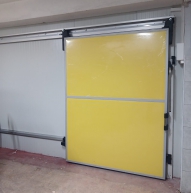
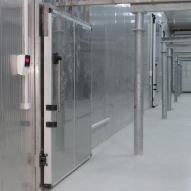
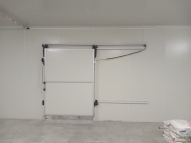
A freezer sliding door proves its worth when the opening is part of a pattern of repeated movements rather than occasional access. That is the key difference.

In low-traffic areas, a simpler type of door may suffice. But as soon as the freezer becomes part of a daily workflow, the access system begins to have a much more direct impact on workflow, pathway cleanliness, maintenance requirements, and temperature compliance.

Sliding access generally begins to add value in situations such as these:

  • frequent movement of personnel through the opening
  • carts, rolling racks, or pallet jacks crossing the threshold
  • limited clearance around the opening
  • wider openings requiring more controlled movements
  • operations with low tolerance for downtime
  • facilities where long-term cost of ownership takes precedence over short-term simplicity

Under these conditions, the door is no longer a secondary element. It becomes an operational asset.

The risk of choosing based on price rather than usage

One of the most common purchasing mistakes is to view the freezer door as a mere budget item rather than a choice tied to workload.

This generally leads to a door that seems cost-effective at first, but which subsequently puts greater pressure on ownership costs. The freezer room continues to function, but the door becomes the first place where this poor compromise manifests itself.

This risk often results in:

  • a slowdown in daily traffic flow
  • more frequent interactions at the entrance
  • increased adjustment and maintenance needs
  • increased stress on seals and hardware
  • less effective control of the opening during heavy use
  • the need for replacement sooner than expected

That is why “cheaper” does not always mean lower cost. In a freezer subject to heavy use, the best value for money often comes from the option that reduces daily friction, not the one that only lowers the initial cost.

Sliding or hinged doors: return on investment

For buyers evaluating long-term value, the most useful comparison goes beyond simply contrasting sliding systems with hinged systems in general. It involves determining which design offers the best performance given the room’s usage patterns.

Decision factorSliding freezer doorSwing door
Value for heavy-duty useBest long-term return on investmentMore suitable for moderate use
Space-savingAllows for better use of the passagewayRequires clearance space
Traffic of carts and pallet jacksEncourages straighter movementIncreased risk of blocking the passageway
Wear due to repeated useBest results when properly specifiedMay show signs of fatigue more quickly on high-traffic routes
Maintenance pressureOften decreases over timeOften increases more rapidly on heavily trafficked routes
Owner confidenceBetter suited for demanding applicationsBest suited for simpler environments

This comparison is important because sliding doors generally justify their cost through their performance in operation, not just the product itself. They add value when the opening is used frequently enough that smoother movement and reduced friction make a difference in everyday use.

Why sliding freezer doors are cost-effective in real-world conditions

A sliding freezer door is generally cost-effective because it simultaneously improves several minor but costly aspects of daily operation.

First, they improve the clarity of pathways. Since the door opens sideways, the surrounding work area remains more usable. Staff can move more directly. Traffic can flow with fewer adjustments. The opening causes less disruption to nearby movements.

Second, this helps reduce unnecessary wear and tear. A smoother passage generally means fewer impacts, less forced handling, and less stress on the threshold and hardware. In a cold room, this matters because repeated stress accumulates quickly.

Third, it encourages more disciplined behavior when opening the door. If the entrance is easier to use, opening the door is less likely to become a point of hesitation. This helps the cold room maintain a smoother rhythm in its daily operation.

Fourth, it improves long-term durability. A door suited to the workload tends to remain more reliable, more functional, and better accepted by the people who use it during every shift. This is often the clearest sign that the access system is proving its worth.

What a properly designed sliding system must address

For sliding access to provide real added value, the solution must be defined based on the overall operating environment, not just the opening dimensions.

A more robust freezer door system generally meets the following criteria:

  • an insulated door construction suitable for freezer temperatures
  • hardware designed for repeated daily cycles
  • seals that ensure a consistent seal
  • a threshold design suitable for foot and wheeled traffic
  • protective elements at contact points
  • Frame stability for long-lasting alignment
  • optional glass panels where visibility improves safety

These details matter because the return on investment for freezer access rarely comes from a single feature. It comes from a door system that remains reliable under real-world conditions.

This is where application-specific planning makes all the difference. The Freezewize cooling system is particularly useful when the opening is evaluated within the context of freezer operation rather than as a simple hardware choice.

Quick Decision Guide

Choose a sliding freezer door when the door is opened frequently enough that traffic friction, loss of clearance, and maintenance-related pressure begin to affect daily performance.

This is generally the best investment when:

  • the cold room is subject to heavy daily traffic
  • carts, pallet jacks, or shelving pass through the opening
  • space in the surrounding area is limited
  • the opening is wide or operationally significant
  • the site prioritizes smooth traffic flow and minimal interruptions
  • Long-term ownership costs take precedence over the initial purchase price

A simpler door type may still be a good choice for smaller, less-trafficked cold rooms. But when the entrance is an integral part of the operational workflow, a sliding door generally offers better long-term value.

Related Solutions

Teams evaluating the long-term value of a cold room sliding door often consider other cold storage-related elements in parallel. Relevant internal links typically include:

  • cold room insulation panels
  • heated frame and seal systems
  • threshold solutions for pallet jack traffic
  • impact protection around cold room openings
  • hardware and sealing components for freezer doors
  • Cold room layout planning for high-traffic access areas

These related pages help buyers evaluate the overall performance of the opening rather than considering the door as a standalone purchase.

FAQ

When is a freezer sliding door truly cost-effective?

It is cost-effective when the opening is used frequently enough that the smooth movement, reduced wear, and fewer interruptions generate measurable operational value over time.

Are freezer sliding doors more cost-effective in high-traffic areas?

In many cases, yes. The more frequently the opening is used, the more valuable smoother flow and reduced friction become.

Do sliding doors reduce freezer maintenance costs?

They often help reduce the maintenance burden when the application involves heavy traffic, limited clearance, or the presence of rolling equipment at the opening.

Does the return on investment boil down solely to labor savings?

No. The added value generally comes from a combination of several factors: labor efficiency, reduced wear and tear, better traffic control, reduced entry friction, and greater long-term adaptability.

Are swing doors always the least cost-effective option?

No. In smaller cold rooms or those with low traffic, they can still be a practical and appropriate choice. The appropriate choice depends on the workload, available space, and type of traffic.

Why is a cold room sliding door a better long-term investment?

The best long-term investment is the system that aligns with the facility’s traffic patterns, flow, and maintenance expectations—not just the size of the opening.

Conclusion

Sliding access proves cost-effective when the freezer opening is used frequently enough that small daily inefficiencies translate into actual operating costs. In these environments, the right door does more than just close the room. It facilitates movement, reduces effort, and enables better control over time.

A sliding cold room door proves its value when opening it no longer costs more than it should in terms of operations.

For facilities planning to build a new cold room or replace an entrance that no longer meets the workload, the next most useful step is to take a practical look at traffic frequency, access lane clearance, the condition of thresholds, and long-term maintenance projections.


Fill the Form!

Write your needs and fill the form to contact us.

Freezewize | Industrial Cooling Systems & Custom Cold Room Solutions
Merhaba, Size yardımcı olabilir miyiz ?
Whatsapp Destek