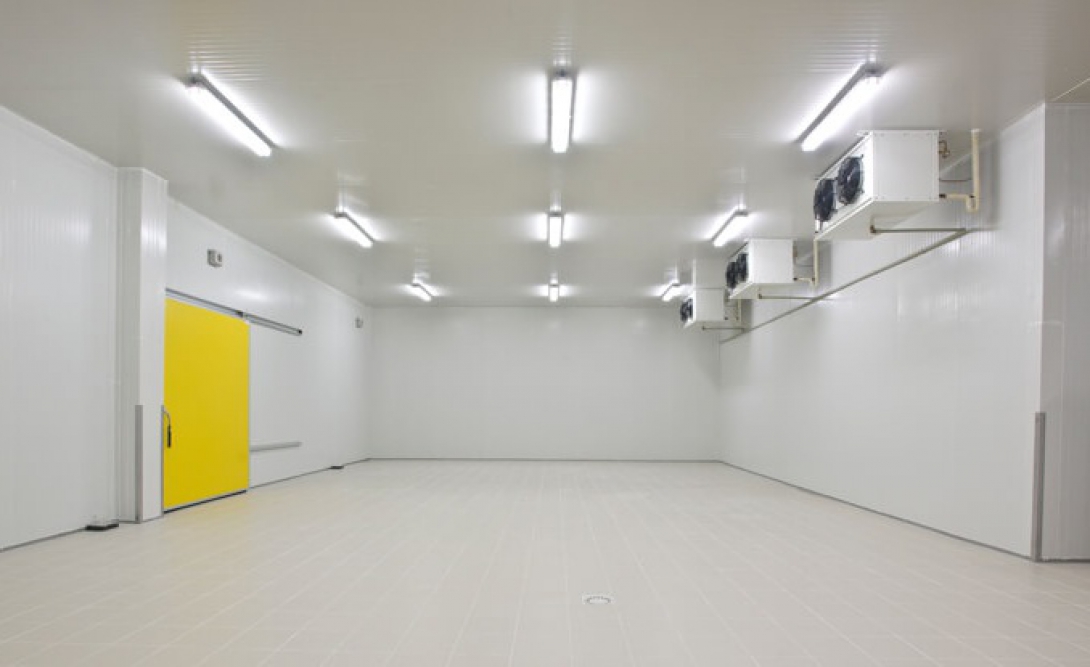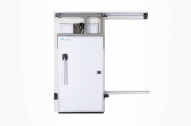





Long-Term Control at Wide Openings
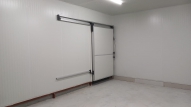
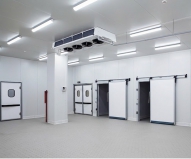
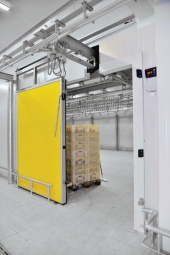
Sliding Freezer Doors for Long-Term Control in Wide Openings
Wide freezer openings require more than just access. Sliding freezer doors help ensure long-term control over traffic, airtightness, wear, and temperature stability.
Long-Term Control in Wide Openings
A sliding freezer door is often the most robust solution when a freezer opening is too wide for simple access logic and too active for short-term thinking. The real issue with wide openings isn’t just getting through the space. It’s maintaining control over movement, sealing, hardware load, and daily operational consistency over the years.
Therefore, wide openings require a different decision-making standard. If the door system does not remain stable under repeated use, the opening may begin to create hesitation in traffic, inconsistent sealing, higher maintenance demands, and a growing sense that the room was designed for access but not for long-term control.
As the Opening Widens, the Problem Grows
A wide freezer opening creates both benefits and risks simultaneously. It can improve product flow, support pallet traffic, and facilitate high-volume access. However, it also increases the strain on the entry system.
The wider the opening, the less forgiving the choice of doors becomes. Minor weaknesses in alignment, sealing, hardware quality, or operational logic become more pronounced over time. A situation that seems acceptable in a narrow opening can become frustrating in a wide opening, especially in warehouses, food processing facilities, distribution centers, supermarket backrooms, and high-efficiency cold storage operations.
This is where many projects run into trouble. The opening is properly sized for the workload, but the access system was not selected for long-term reliability. The result is a freezer entrance that works in theory but becomes difficult to manage in practice.
Wider Openings Create Different Challenges
Large freezer openings don’t fail solely due to traffic volume. They also bring structural and operational demands that smaller entrances would never face.
A wider door opening typically faces greater pressure regarding rolling traffic, more direct product movement, and the need to remain open during peak hours. It may also require stricter discipline regarding sealing, rail stability, threshold design, and side clearances. If these details are not adequately planned, the opening becomes more vulnerable to performance degradation over the long term.
This decline typically manifests in practical ways:
- movement that no longer feels smooth or controlled
- sealing performance that loses reliability over time
- more noticeable wear around the opening
- increased maintenance needs at the entry point
- less predictable traffic flow during peak periods
- a sense of faster aging compared to the rest of the room
In a narrow opening, these issues may remain manageable for a longer period. In a wide opening, however, they become apparent much sooner.
The Risk of Prioritizing Access Over Control
Even if a door in a wide freezer opening is technically functional, it may still be the wrong choice in the long run. This is one of the most costly mistakes in freezer access planning.
The first risk is inconsistent movement. Wider openings are often preferred to improve flow, but if the door system does not support this flow with sufficient control, the wider opening may begin to create its own friction. Staff may hesitate, wheeled traffic may not move smoothly, and daily traffic may feel less disciplined than expected.
The second risk is increased maintenance costs. Wider openings place greater stress on hardware, guidance logic, frames, thresholds, and gaskets. If the system isn’t designed to handle this pressure, minor service needs begin to recur. The room still functions, but the opening starts to require more attention than necessary.
The third risk is poor thermal control on a large scale. A wide freezer opening exposes a larger area. This means the quality of sealing, gasketing, and movement discipline becomes even more critical. When control is lax, it becomes difficult to consistently manage temperature protection within the opening.
The fourth risk is long-term ownership disappointment. Operators typically feel the problem most acutely at this point. The opening may still appear impressive in size, but it does not feel reliable in use.
Sliding and Swing Doors for Wide Freezer Openings
The most practical comparison for wide openings is usually between a sliding freezer door and a swing door. In smaller sizes, a hinged design may still be acceptable in some rooms. With wider openings, however, this logic generally loses its validity.
The fundamental issue is not preference. It is suitability. A wide opening requires an access style that can maintain usable clearance, support heavier traffic, and remain manageable over time.
| Decision Factor | Sliding Freezer Door | Swing Door |
|---|---|---|
| Suitability for wide openings | Stronger fit | Less practical as width increases |
| Clearance around opening | Keeps area more usable | Requires door arc space |
| Control over traffic flow | Better for repeated passage | Less stable in busy wide-entry use |
| Seal and closure discipline | Better when properly specified | Harder to manage at larger scale |
| Long-term maintenance logic | Better aligned with wide-opening demands | Often rises faster under heavy use |
| Ownership confidence | Stronger over time in active operations | More likely to feel under-specified |
Decision Factor Sliding Freezer Door Swinging Door
Suitability for wide openings Fits more securely Becomes less practical as width increases
Space around the opening Keeps the area more usable Requires space for the door to swing
Traffic flow control Better for repeated passages Less stable in high-traffic and wide-entry applications
Sealing and closure discipline Better when properly specified More difficult to manage on a large scale
Long-term maintenance logic More compatible with wide opening requirements Typically increases faster under heavy use
Ownership confidence Becomes stronger over time in active operations Higher likelihood of feeling inadequately specified
This comparison is important because wide openings amplify errors. A system that appears feasible on paper can create difficulties when put into actual daily use.
Why Do Sliding Freezer Doors Offer Better Long-Term Control?
A sliding freezer door works better in wide openings because it brings order to a larger access area. Instead of forcing movement around a hinged door or creating extra congestion near the entrance, it keeps the opening cleaner, more direct, and easier to control.
This becomes immediately important in operations with heavy traffic. Staff can move more naturally. Pallet jacks and carts can pass through more directly. The surrounding area remains more usable. However, the true value emerges later. A well-designed sliding system is easier to maintain, easier to integrate into traffic flow, and easier to maintain as a long-term operational asset.
For wide openings, long-term control depends on more than just insulation. It depends on whether the door can maintain its structure, movement discipline, and closing quality after months and years of use. A sliding configuration is generally better suited for this purpose.
What a Wide-Opening Door System Must Address
For wide freezer openings, the door should be specified as a system, not as a single panel. Long-term performance depends on how the entire opening works together under repeated loads.
A more robust solution typically includes:
- an insulated door structure suitable for freezer temperatures
- hardware designed for frequent cycles and larger opening requirements
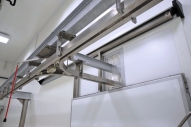
- track and guide mechanisms that support smooth movement
- a frame design that maintains long-term alignment
- sealing details that preserve closing consistency over time
- threshold planning based on traffic from vehicles, racks, or pallet jacks
- protective features where repeated contact is likely
- optional viewing panels where safer traffic management depends on visibility
These details are important because wide openings do not remain under control by chance. They remain under control because the system is designed to remain stable under real operating conditions.
Adapting the Opening to Actual Operations
Not every wide freezer opening serves the same purpose. One might support high-volume warehouse flow. Another might serve a production line. Yet another might be located in a large back-of-house area where visibility, access for cleaning, and daily staff movement are all critical.
Therefore, the right sliding freezer door must be selected based on the actual usage profile:
- opening width and frequency of use
- type of traffic passing through the opening
- expected load on the surrounding area
- tolerance for downtime or repeated service
- the need for long-term seal integrity
- the importance of keeping adjacent corridors open
- cleaning expectations and regulatory pressure
- the planned service life before a major replacement
When these conditions guide the specification, the door typically operates more quietly and reliably. When these are ignored, the room may still function, but the door begins to become a weak point.
This is also the point where system-level planning becomes more valuable than simply purchasing a product. The Freezewize Cooling System is most effective when a wide freezer opening is treated not just as a large access gap that needs to be closed, but as a high-demand control point.
Quick Decision Guide
If the opening is wide enough that long-term control is as important as basic access, choose a sliding freezer door.
It is generally a better option in the following situations:
- if the opening handles frequent rolling traffic
- if the width makes hinged access less practical
- if the facility requires better seal consistency over time
- if the adjacent opening must remain open and accessible
- if maintenance tolerance is low
- if the long-term ownership cost is more important than short-term simplicity
- the freezer entrance must remain stable under daily stress
A simpler door type may still be suitable for smaller, lighter-duty freezer entrances. However, if the opening is wide and operation depends on repeatable control, sliding access is generally a more durable choice.
Related Solutions
Wide-opening freezer projects typically benefit from a simultaneous review of related cold storage components. The most relevant solutions typically include:
- insulated freezer room panels
- heated frame and gasket systems
- threshold solutions for pallet jack traffic
- protective hardware for cold room openings
- freezer sealing and track hardware packages
- cold storage layout planning for high-traffic openings
These relevant solutions help link door selection to the room’s long-term performance.
FAQ
Are sliding freezer doors better for wide openings?
In many commercial and industrial applications, yes. They generally provide better opening management, stronger long-term control, and a more practical fit for larger freezer entrances.
Why do wide openings require a different door strategy?
Because larger openings place greater demands on sealing, alignment, hardware, and traffic control. A solution that works for a smaller opening may not remain stable at a larger scale.
Can a wide freezer opening increase maintenance needs?
Yes. If the access system is not suited to the size and traffic flow, maintenance demands typically increase faster at the opening than in other parts of the room.
Is opening width only related to throughput capacity?
No. Width affects throughput capacity, but it also impacts closing discipline, long-term wear, surrounding clearance, and the overall controllability of the entrance.
What is the most important factor in a wide freezer opening?
The most important factor is suitability. The right combination of door type, hardware, sealing, threshold planning, and traffic logic ensures better long-term performance.
When is a swing door still acceptable?
It may still be suitable in smaller, less-used freezer rooms where the opening is not subject to the same operational pressures related to width.
Conclusion
Wide freezer openings create more than just access opportunities. They create a long-term control challenge that becomes increasingly apparent with each month of use.
In a wide freezer opening, the best door is not just one that provides access on the first day, but one that maintains control over time.
For facilities planning a new freezer room or replacing a problematic wide-entry system, a practical review of opening width, traffic type, sealing requirements, and long-term maintenance expectations typically leads to a more sound decision.