




Freezewize | Industrial Cooling Systems & Custom Cold Room Solutions

Reducing Interference at Cooler Entries

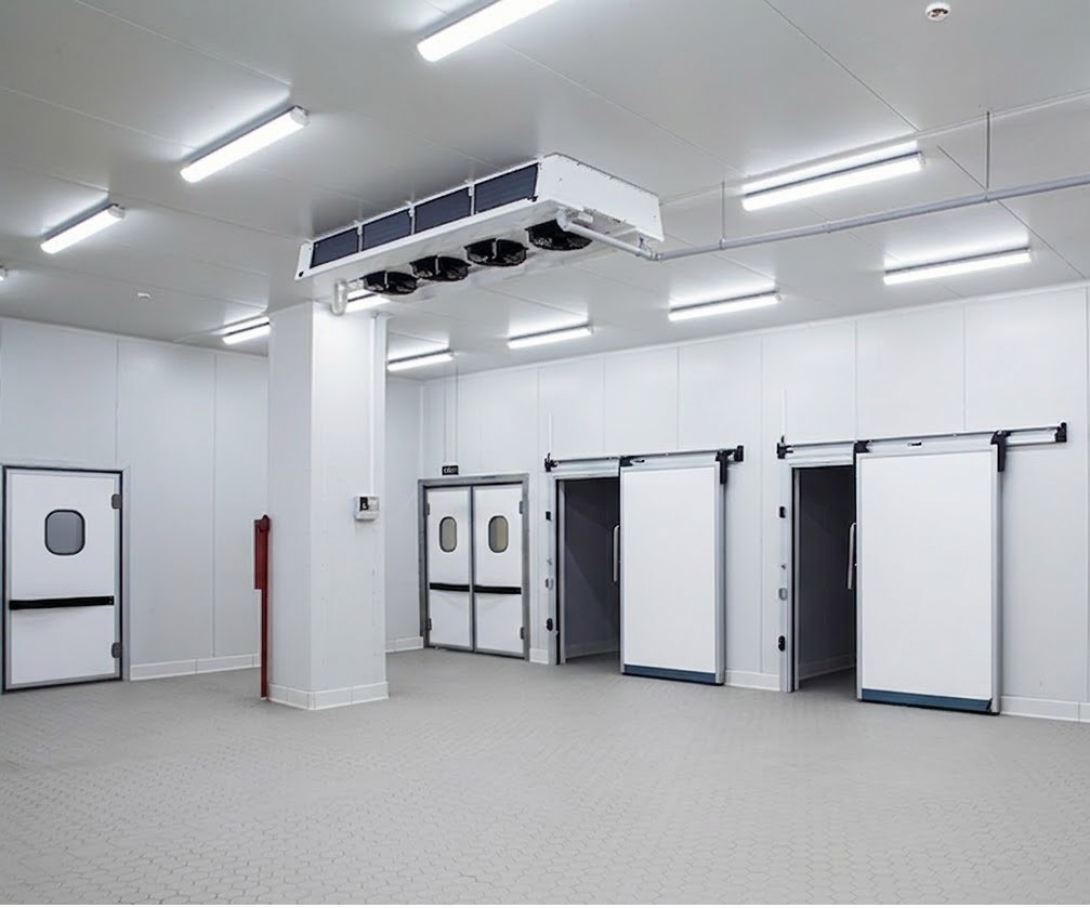
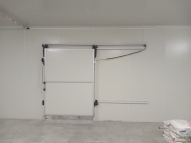
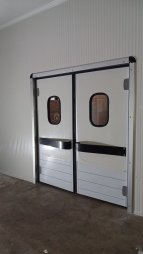
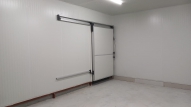
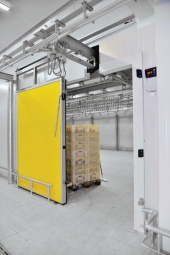
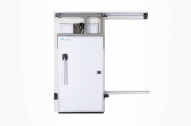
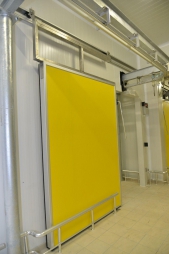
Monorail Sliding Refrigeration Door That Reduces Obstruction at Refrigeration Inlets

Reduce obstruction at refrigeration inlets with a monorail sliding refrigeration door designed for overhead movement, cleaner access, and better long-term fit.

Reducing Interference at Cooler Entries

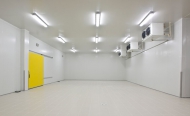
A monorail sliding cooler door is often the right solution when managing product movement from above is necessary without slowing down operations around the cooler entrance. Under these conditions, the opening is not merely a place where a room begins and ends. It is a functional transition point, and the wrong door can create unnecessary obstacles for product flow, personnel movement, hygiene routines, and daily access.

Therefore, minimizing obstacles at cooler entrances is critical in refrigerated facilities. If the opening causes teams to slow down, adjust their movements, or go around the door instead of passing through it, the issue goes far beyond mere convenience. This situation impacts labor efficiency, the room’s appearance, maintenance workload, and the long-term suitability of the entire opening.

The Real Problem Starts at the Entrance, Not on the Product Page

Many issues at refrigerated entrances do not stem from temperature failures. They stem from traffic conflicts. In facilities with monorail systems, the door often becomes the point where suspended product flow, personnel movement, cleaning activities, and room separation all collide.

This is where standard door logic begins to fall short. A door may open and close technically correctly, yet the entrance can still feel crowded, awkward, or slow during daily use. Suspended loads may pass through with less confidence than expected. Personnel may hesitate near the entrance. Ground-level carts, shelves, or support structures may compete for space with overhead traffic. Cleaning crews may spend more time managing the entrance than necessary.

In a busy cold storage room, such obstacles accumulate quickly. This creates a subtle yet constant burden on operations, particularly in processing facilities, food operations, cold storage warehouses, and other rooms where product movement must be predictable.

Why Do Obstacles at the Entrance Become Operational Costs?

Obstacles at the entrance to a cold storage room rarely appear dramatic at first. They typically manifest as small, recurring inefficiencies that become part of the daily routine.

Product flow slows down at the threshold. Staff begin to adjust their timing near the entrance. Cleaning takes longer because keeping the access point clear is more difficult. Since the entrance is more exposed than it should be, extra attention is required for equipment and surrounding surfaces. A situation that seemed acceptable during planning begins to create noticeable friction once the room is operating at full capacity.

This is important because the entrance is one of the few places where multiple operational pressures converge. Temperature control, continuous movement, hygiene expectations, and durability all come together here. If the entrance is not designed to minimize interaction, the business continues to pay the price for this incompatibility through labor time, maintenance effort, and premature wear.

The Risk of Choosing a Door That Only Addresses Basic Access

A door may function in a basic sense, but it may still not be suitable for a single-track refrigerated entrance. This is one of the most common specification errors in air-moving environments.

The first risk is disruption of the workflow. If the entrance obstructs the movement of suspended products even slightly, the line loses its fluidity. Repeated stoppages at an opening can affect the speed of the entire section.

The second risk is the maintenance burden. Obstruction typically leads to increased contact, more adjustments, and greater stress on seals, hardware, adjacent panels, and protective details. The door may continue to function, but it generally requires more attention than a better-suited opening.

The third risk is hygiene inefficiency. In refrigerated food environments, a crowded or poorly designed door can make it difficult to complete cleaning routines quickly and consistently. This creates pressure not only on labor but also on compliance readiness.

The fourth risk is the logic of early replacement. An entrance doesn’t have to completely fail to be considered a poor choice. If it constantly creates friction and begins to wear out prematurely, operators typically conclude that the opening was inadequately planned from the start.

Why Do Standard Doors Often Create More Obstacles?

Standard refrigeration doors are typically selected based on general access requirements. They are expected to support personnel entry, light vehicle traffic, and basic room separation. This logic yields good results in many applications, but it often leads to poor outcomes when the opening is configured with a monorail system.

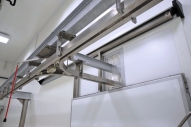
In a single-rail opening, the access point must do more than simply seal off the room. It must accommodate suspended movement while maintaining usable clearance, practical sealing, manageable cleanliness, and safe passage through the entry zone. This is a different requirement from general refrigeration access.

This is where conflicts arise. A traditional door format may still function, but it can create an unnecessary conflict between the opening and the surrounding movement pattern. As a result, operations end up having to compensate for the door rather than benefit from it.

A Comparison That Clarifies the Decision

The most useful comparison for this application is not simply a comparison between one door style and another. A better comparison is whether the opening is designed for general access or for low-conflict monorail use.

Door approachBest fitLikely issue at interference-prone cooler entries
Standard hinged cooler doorLight staff entry and simple trafficSwing path can add conflict around movement zones
Standard sliding cooler doorWider general openings without overhead coordination pressureMay still leave entry interference unresolved
Monorail sliding cooler doorOpenings with suspended product flow and active entry trafficBest result depends on correct full-opening planning

Door Approach Best Option Potential Issues in Collision-Prone Refrigerated Entrances

Standard hinged refrigerated door Light personnel traffic and simple movement Swinging path may cause collisions in active zones

Standard sliding refrigerated door Wider general openings without overhead coordination pressure May still leave entry collisions unresolved

Monorail sliding refrigeration door Openings with suspended product flow and active entry traffic The best results depend on proper full-opening planning

This comparison helps buyers avoid a common mistake: selecting a door based on a broad category rather than how the entrance actually behaves in daily use.

Why Does a Single-Track Sliding Refrigerated Door Reduce Conflicts More Effectively?

A single-track sliding refrigerated door is better suited for these types of entrances because it is selected based on the actual source of the problem. The goal is not merely to provide a seal. The goal is to reduce conflicts at the opening so the room can operate more smoothly.

This means the door is selected by considering its movement pattern, the opening, hygiene, and long-term usability. Rather than forcing suspended product flow and entry traffic to conform to a general access format, the opening can be planned as part of the workflow.

This is particularly valuable in operations where refrigerated entrances must support the following:

suspended overhead product transfer

regular personnel movement near the opening

cleaning routines with limited time tolerance

visible back-of-house standards

repeated daily use under production pressure

A stronger result also depends on environmental conditions. Adjacent insulated panels, seal integrity, hardware layout, visibility requirements, impact exposure, and service access all influence whether the opening can maintain a low level of intervention over time. For this reason, the Freezewize Cooling System treats monorail openings not merely as door locations but as work environments.

Quick Decision Guide

A monorail sliding refrigeration door is generally a better choice when the opening needs to reduce daily intervention rather than simply providing a basic access point.

It makes the most sense in the following situations:

if suspended product movement regularly passes through the entrance

if personnel and floor traffic share the area near the opening

if sanitation and inspection readiness are critical

if the facility wants less friction at a high-traffic passage point

if maintenance tolerance is low

if long-term ownership value is more important than short-term simplicity

If the entrance primarily serves personnel traffic and does not define an overhead movement clearance, a more general refrigerated door may still be suitable. However, when the opening is part of an active monorail workflow, the option requiring less intervention is generally the wiser choice.

Related Solutions

A low-interference refrigerated entrance typically performs best when planned in conjunction with the rest of the refrigerated access area. The following related internal link opportunities naturally align with this topic:

refrigerated sliding door systems

insulated cold room panels

cold storage door hardware

impact protection for refrigerated traffic areas

special process-focused cold room entrances

freezer and refrigerated room access solutions

These related solutions help create a more balanced and resilient entry strategy across the facility, rather than overloading a single entry point.

FAQ

What causes bottlenecks at refrigerated entrances in monorail applications?

Bottlenecks typically stem from traffic conflicts. Suspended movement, personnel access, cleaning routines, and room segregation all compete with one another at the same entrance.

Why is a standard refrigerated door usually insufficient?

Because while it may meet basic sealing needs, it can still lead to issues with overhead product flow, hygiene access, and long-term daily usability.

Does reducing entry obstacles improve labor efficiency?

Yes. A cleaner and more efficient entrance typically reduces hesitation, slows movement less, and ensures a more consistent product flow throughout the day.

Is this primarily a maintenance issue?

No. Maintenance is part of it, but barriers also affect workflow, hygiene, the room’s appearance, and ownership costs over time.

What should buyers evaluate before selecting a door for this situation?

They should review the type of traffic, the layout of the overhead passageway, personnel movement near the opening, hygiene requirements, adjacent panel design, and maintenance expectations together.

Can a single-track sliding refrigerated door help meet long-term facility standards?

Yes. A more suitable opening typically remains cleaner in appearance, delivers more predictable performance, and reduces the need for early repairs or replacements.

Conclusion

Reducing barriers at refrigeration entrances is not just about making a door easier to use. It is about maintaining the speed, cleanliness, and long-term reliability of the surrounding operations.

If the entrance is part of a workflow, it should be designed to eliminate friction within that workflow.

When smooth movement, hygiene, daily access, and long-term operational compatibility all need to work together, a single-track sliding refrigeration door is often the more suitable solution. For facilities evaluating a new opening or addressing a challenging one, the most effective step is to fully assess the condition of the entrance and select a solution designed to minimize obstacles at the most critical points.


Fill the Form!

Write your needs and fill the form to contact us.

Freezewize | Industrial Cooling Systems & Custom Cold Room Solutions
Merhaba, Size yardımcı olabilir miyiz ?
Whatsapp Destek