




Freezewize | Industrial Cooling Systems & Custom Cold Room Solutions

Cooler Entries Built for Repetition

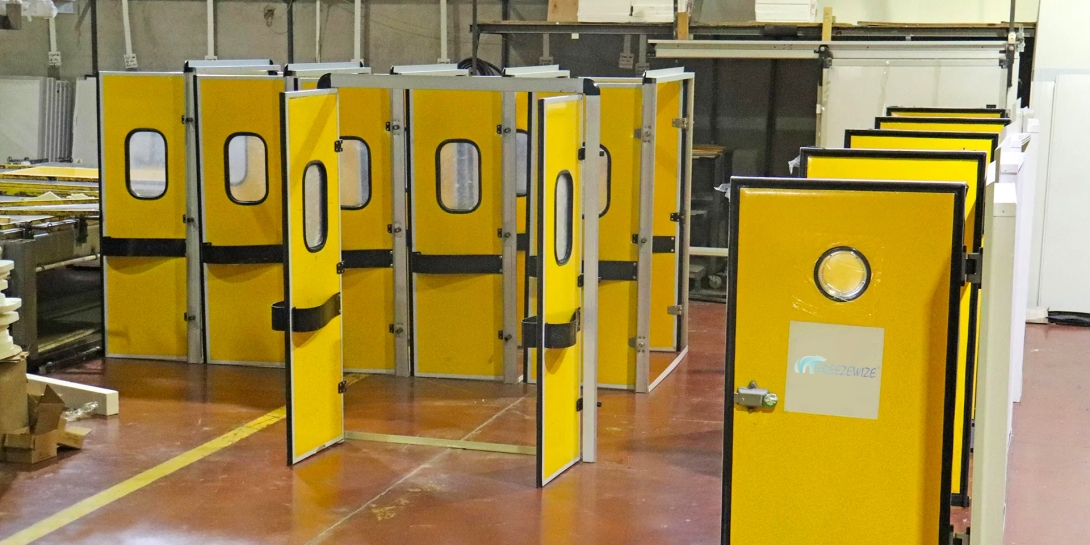
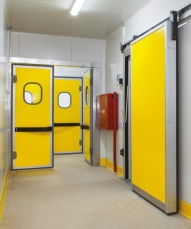
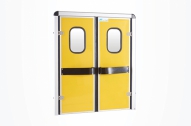
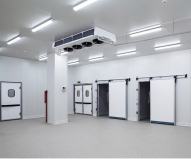
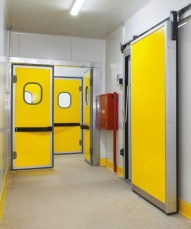
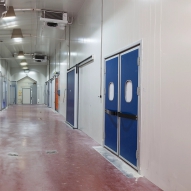
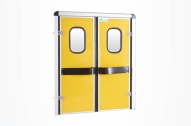
Refrigerator Doors with Traffic-Friendly Design for Frequent Use

A refrigerator door with a traffic-friendly design supports frequent daily use without slowing down traffic, increasing maintenance requirements, or compromising hygiene and accessibility.

Cooler Entries Built for Repetition

A traffic-rated refrigeration door is a practical solution for refrigeration openings subjected to constant daily use due to repeated movements by personnel, vehicles, and in kitchen back-of-house areas. When an entry point is used throughout the day, the door must do more than just open and close. It must support the pace, be durable against contact, and maintain reliability without turning the entry into a maintenance issue.

Therefore, the choice of a high-traffic refrigeration door impacts the purchasing decision. In busy kitchens, supermarkets, food processing facilities, and distribution areas, the wrong door can create an unnoticed obstacle in workflow, cause wear and tear at the entrance, and make operating the room more difficult than necessary.

Repetition Changes the Performance of a Refrigeration Door

Some refrigerated doors may seem acceptable during the planning phase because the opening itself appears simple. The problem begins when actual operational routines are implemented.

A refrigerated entrance subject to repeated use behaves differently from one used infrequently. Staff pass through this door during preparation, stocking, receiving, picking, packing, and shift changes. In some operations, the opening is touched dozens or even hundreds of times on a typical day. This repeated use quickly exposes weaknesses.

The problem is rarely a dramatic failure. It’s a gradual buildup. The door begins to feel slower than the team needs it to be. The door is exposed to more contact than expected. Surfaces wear out faster. The equipment draws more attention. Instead of passing through the door naturally, people begin to adjust their movements around it.

This is critical for high-traffic U.S. facilities, as workflow is directly linked to labor efficiency and daily consistency. If a cold room entrance constantly disrupts the operation’s rhythm, costs emerge over time in handling friction and early ownership concerns.

When the Wrong Door Starts Costing More

A refrigerated entrance may function technically but still be the wrong choice for a high-traffic environment.

This mismatch often becomes apparent in practical ways. The entrance may start slowing down staff during peak periods. Vehicle traffic may not flow as smoothly as it should. The door may begin to experience impact stress before the surrounding area shows similar signs of wear. Cleaning crews may spend more time in the entrance area. Service calls may not seem serious at first, but they begin to occur more frequently than expected.

At this point, buyers often realize that a low-pressure door was selected for a high-pressure entry point.

Common outcomes include:

  • reduced traffic efficiency during peak periods
  • premature wear on the door surface, edges, or hardware area
  • increased maintenance requirements for alignment, seals, or movement
  • a weaker impression of hygiene around a heavily used entrance
  • an earlier-than-planned replacement timeline

In other words, the wrong door may still function, but it gives the impression that the refrigeration entrance is less durable, less stylish, and less suited to the facility’s pace.

The Key Comparison

For high-traffic refrigeration entrances, the most important consideration is not appearance. It is suitability under repeated use.

A lighter-duty cooler door may be sufficient for a room accessed only occasionally. If the entry point supports frequent movement and needs to recover quickly from constant daily use, a swing-style cooler door designed for high traffic is generally more suitable. Sliding access can resolve specific layout constraints, but it is not automatically the best solution in situations where people require immediate and repeated passage.

Here’s a practical breakdown:

Entry OptionBest FitPrimary BenefitMain Limitation
Standard swing cooler doorIntermittent or lighter daily entrySimple access in lower-pressure roomsCan feel under-specified in repetitive-use openings
Traffic swinging cooler doorFrequent staff passage and repeated operating cyclesBetter flow support and stronger day-to-day suitabilityNeeds correct sizing, clearance, and protection details
Sliding cooler doorLayouts with limited swing spaceUseful where floor space around the opening is restrictedNot always the fastest natural choice for repetitive pass-through

Entry Option Best Fit Key Advantage Main Limitation

Standard swing-type refrigeration door Occasional or lighter daily entry Simple access in low-pressure rooms May be insufficient for openings with frequent use

Traffic-duty swing-style refrigeration door Frequent personnel traffic and repeated operating cycles Better flow support and stronger daily suitability Requires proper sizing, clearance, and protection details

Sliding refrigeration door Setups with limited swing space Useful when floor space around the opening is limited Not always the fastest natural choice for repeated entries

This comparison is useful because it focuses the decision on the usage model rather than general product preference.

Why Are Swing Doors Suitable for Repeated Entries?

The swing-type refrigeration door performs well in environments with repeated entries because it is compatible with movement. It supports a more direct passage experience in openings that are constantly used and where unhesitating movement is necessary.

This is particularly valuable in facilities where entry is part of the process rather than merely access to a storage area. In these areas, the door influences how the room is used at all hours of the day.

Repetitive entry applications typically include:

  • supermarket backroom coolers
  • commercial kitchen support rooms
  • food processing access points
  • beverage and supply cooler entrances
  • warehouse cooler preparation areas
  • distribution-side refrigerated rooms

In these environments, the goal is not merely to install a door that seals off the room. The goal is to install an entry solution that remains stable, practical, and efficient under constant use.

Creating the Right Entry for Real-World Conditions

The best solution begins by treating the door as an integral part of the workflow.

If an opening is subject to repeated use, the specifications must reflect this reality. Buyers should consider how the entrance behaves not during the quietest hours, but during the busiest normal shift. This means evaluating daily cycles, usage patterns, potential contact points, exposure to cleaning, and how people actually move within the room.

An entrance better suited to traffic typically considers the following:

  • how often the door is opened and closed each day
  • whether staff pass through with empty hands or while pushing carts and shelves
  • how much contact the entrance will receive
  • whether the sight panel enhances safety and confidence in movement
  • how easy it is to clean the entrance and keep it looking neat
  • how the frame, threshold, and surrounding panel system work together
  • whether the gaskets and hardware can withstand repeated use without causing service friction

At this point, the access decision becomes more valuable than a simple product match. The Freezewize Cooling System typically addresses high-traffic openings as part of a broader room performance issue; because the best door selection is the option that supports airflow, maintenance, and long-term operational stability all at once.

It Also Raises Standards for Hygiene and Presentation

High-traffic refrigerated entrances face more than just foot traffic. They are also subject to scrutiny.

In food-related environments, a heavily used opening must remain functional while also staying clean, controlled, and visually acceptable. If the entrance begins to wear out prematurely, repeated damage accumulates at the corners, or keeping the door clean becomes difficult, the room may start to feel subpar—even if temperature control remains intact.

For this reason, high-traffic entrances are typically evaluated from multiple angles:

  • traffic efficiency
  • compatibility with washing or cleaning
  • visible wear resistance
  • consistent sealing performance
  • service access
  • compatibility with surrounding wall and floor details

A good entrance should continue to function under repeated use without appearing strained.

Quick Decision Guide

If the entry point is not just for occasional access but part of a daily workflow, a heavy-duty refrigeration door is usually the right choice.

It is particularly suitable in the following situations:

  • if staff use the entrance throughout the day
  • if the room supports preparation, restocking, or internal product flow
  • if vehicles or similar equipment regularly approach the entrance
  • if repeated contact is expected as part of normal operations
  • if the facility aims to reduce maintenance issues over time
  • if appearance and cleanliness are important in a kitchen environment

If the entrance is rarely used and contact exposure is limited, a standard swing door may be sufficient.

When maintaining the door opening is the top priority, a sliding door may be more practical.

The rule of thumb is simple: choose the door not only based on the dimensions of the opening but also on the frequency of use of the entrance.

Related Solutions

Internal page opportunities related to this topic may include:

  • insulated panels for cold rooms
  • freezer door solutions for colder applications
  • hygienic cold room wall and ceiling systems
  • impact protection and hardware options for refrigerated doors
  • commercial kitchen cold room access solutions
  • warehouse and distribution cold storage layouts

These are important because repeated entry performance is typically linked to panel construction, access design, floor transition details, and overall room planning.

FAQ

What is a swing-type cold room door designed for?

It is designed for cold room entrances used repeatedly on a daily basis, particularly where personnel movement is frequent and the opening must support continuous operational flow.

Is a swing-type door better than a standard cold room door for repeated entries?

In most applications involving repeated use, yes. It is generally a more suitable option when the opening is exposed to constant traffic and higher daily usage demands.

Can repeated cold room entries increase maintenance needs?

Yes. If the door is inadequately equipped for the traffic level, repeated use can accelerate wear on surfaces, gaskets, hardware, and alignment components.

Are sight panels required for high-traffic cold room entrances?

They are generally required. Sight panels can help reduce the risk of contact and facilitate smoother movement when people approach the opening from both sides.

Should entrance conditions be reviewed along with the door itself?

Yes. Threshold design, side panels, hardware protection, and traffic type all affect how well the refrigerated entrance will perform over time.

When should a facility upgrade to a traffic-appropriate refrigerated door?

If the current entrance is slowing down traffic, showing signs of premature wear, causing recurring service issues, or no longer keeping pace with operational speed, an upgrade should generally be considered.

Again, It Requires the Right Entrance Strategy

In a high-traffic refrigerated environment, the door is not a minor detail. The door is a part of the daily system that keeps operations running.

If a refrigeration entrance is designed for repeated use, the door must also be designed for repeated use.

For facilities evaluating a new construction or renovation decision, the most beneficial step is to assess the opening in terms of traffic flow, exposure to contact, cleaning requirements, and long-term ownership expectations before finalizing the access solution.


Fill the Form!

Write your needs and fill the form to contact us.

Freezewize | Industrial Cooling Systems & Custom Cold Room Solutions
Merhaba, Size yardımcı olabilir miyiz ?
Whatsapp Destek