




Freezewize | Industrial Cooling Systems & Custom Cold Room Solutions

Cleaner Movement Through High-Use Entries

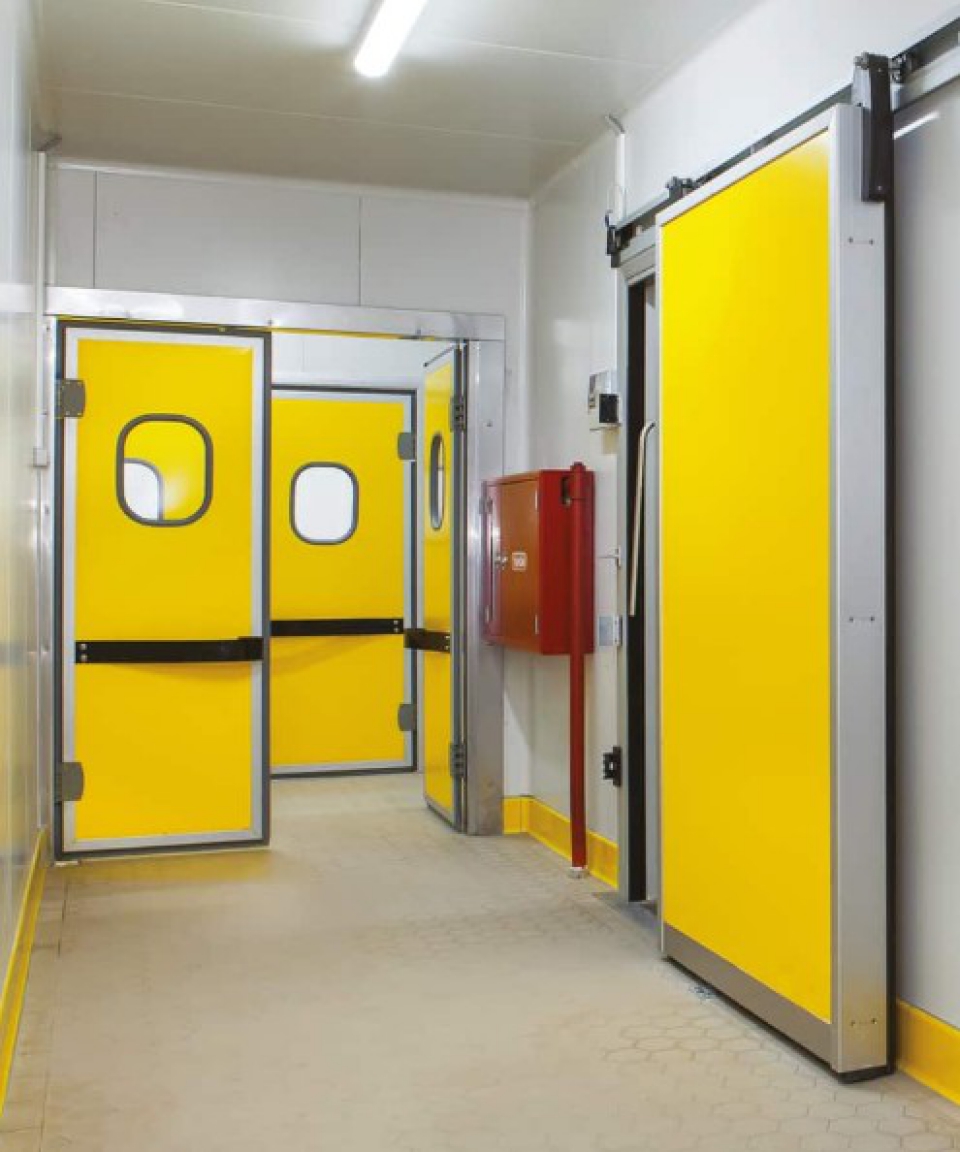
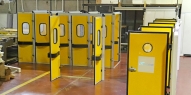
Traffic-Swing Refrigerator Door Enabling Cleaning Staff to Move More Easily in High-Traffic Entrances

Facilitate the movement of cleaning staff in high-traffic refrigerator entrances with the right traffic-swing door. Support workflow during peak operations, reduce friction, and control wear and tear.

Cleaner Movement Through High-Use Entries

When a refrigerated entrance needs to remain fast, functional, and orderly under constant daily traffic, a swing-style refrigerated door is often the right choice. In high-traffic environments, smoother movement doesn’t mean slower movement. It means people, vehicles, and carts pass through the opening with less hesitation, less contact stress, and fewer disruptions to the surrounding workflow.

This matters because high-traffic refrigerated entrances affect more than just access. They impact workforce flow, cleanliness around the threshold, the visible order of the back area, and how well the room holds up under repeated use. The right door helps keep the entrance under control rather than letting it become a point where collisions, blockages, and maintenance issues begin.

Problems Begin When Movement Becomes Disorganized

Most cold storage entrance issues don’t start with temperature loss. They start with movement that feels increasingly disorganized.

In a high-traffic entrance, staff enter and exit during preparation, stocking, replenishment, organizing, and picking. Carts and shelves approach rapidly. Pallet jacks may cross the threshold several times an hour. The entrance is used so frequently that even minor inefficiencies become part of the daily routine. A door that feels slightly off in a rarely used room can become a constant source of friction in a high-traffic area.

This friction typically manifests in practical ways. Staff hesitate before passing through. Equipment bumps into the frame or the edge of the door. Keeping the threshold clear becomes difficult. During peak periods, traffic begins to back up at the entrance. The room still functions, but the entrance no longer feels seamless or well-managed.

This is the core issue for facility managers and contractors. A cold storage room entrance must facilitate movement without creating disorder around it. When it fails to do so, labor slows down, wear and tear accelerates, and the room begins to feel less under control than operations require.

Why Does Poor Entryway Flow Lead to Bigger Problems?

A high-traffic cold storage entryway can operate daily and still be improperly installed.

This typically occurs when the access point is chosen as a simple door opening rather than a dedicated operational zone designed for repeated use. The result isn’t an immediate failure. It’s the constant accumulation of small issues that affect daily performance.

In high-traffic entrances, poor traffic control typically leads to:

  • increased contact on the door surface, edges, and frame
  • threshold areas where more dirt, moisture, or traffic marks accumulate
  • slower passage during peak periods
  • more noticeable wear in a short time
  • additional service interventions on hinges, gaskets, and hardware
  • a diminished sense of overall order in the back area

This is where workflow friction becomes costly. Teams waste time at the entrance. Cleaning becomes more difficult. The entrance begins to look older than the rest of the room. Features that seemed acceptable during installation start to fall short once operations reach full speed.

Smoother movement is crucial because it immediately reduces all this pressure. It helps ensure the entrance remains functional, neat, and easier to maintain under real-world operating conditions.

The Most Important Comparison

For frequently used refrigeration entrances, the most important comparison isn’t just between one door and another. It’s a comparison between controlled movement and restricted movement.

A standard swing-style refrigeration door may be sufficient for a room with lower daily usage and less frequent access. When there is repetitive personnel movement at the entrance and the opening needs to remain smooth under pressure, a swing-type refrigeration door is generally a more suitable choice. A sliding door can be helpful when the surrounding space is narrow, but it is not always the best solution when teams need fast and natural passage throughout the day.

Here’s a practical comparison:

Door TypeBest FitMain StrengthMain Limitation
Standard swing cooler doorLight to moderate daily useStraightforward access in lower-pressure roomsCan feel strained in high-use openings
Traffic swinging cooler doorRepeated staff movement and active pass-throughSupports cleaner flow and better daily traffic handlingRequires the right opening conditions and traffic-based specification
Sliding cooler doorTighter layouts with limited swing areaPreserves nearby clearanceNot always the most natural option for constant quick passage

Door Type Best Suited For Main Advantage Main Limitation

Standard swing-style refrigeration door Light to moderate daily use Easy access in rooms with lower pressure May struggle in high-traffic openings

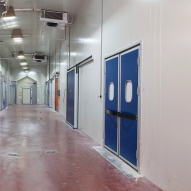
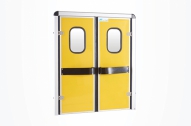
Traffic swing-style refrigeration door Repeated personnel movement and active traffic flow Provides a cleaner flow and better daily traffic management Requires proper opening conditions and traffic-based features

Sliding Refrigerator Door Suitable for narrower layouts with limited opening space Preserves nearby clearance May not always be the most natural choice for continuous, fast passage

Here’s the key point to consider when purchasing: don’t just choose the style that looks simplest on paper—select the access style that keeps the opening under control on a busy day.

Why Do Traffic-Flow Refrigerated Doors Support Smoother Movement?

A traffic-flow refrigerated door helps facilitate smoother movement because it is suited for repeated passages. This door ensures the entrance functions as a workflow route rather than a repeated interruption.

In many high-traffic refrigeration applications, the goal is not just speed. The goal is movement that feels more natural and less chaotic. Staff should be able to pass through without difficulty. Equipment should be able to approach the opening without constant conflict. The door should be able to return to its original state after repeated use without becoming a point in the room that quickly wears out, gets dirty, or requires maintenance.

This makes this door type particularly useful in the following applications:

  • supermarket backroom refrigeration entrances
  • restaurant and commercial kitchen support areas
  • refrigerated preparation and holding areas
  • processing support areas
  • beverage and supply storage rooms
  • warehouse and distribution refrigeration access points

In these environments, an appropriate traffic door helps create a cleaner flow pattern around the entrance. It reduces stop-and-go movements, minimizes unnecessary contact, and establishes a more controlled daily rhythm for the opening.

The Right Solution Is Tailored to Entry Behavior

Smoother movement isn’t achieved by the door leaf alone. It stems from a comprehensive entry strategy.

If the entrance is in constant use, technical specifications must reflect how people and equipment pass through it. This includes approach angles, frequency of use, threshold conditions, visibility requirements, and the type of traffic the entrance will be exposed to throughout the day.

A more robust solution typically considers the following:

  • traffic volume during a typical shift
  • mixed vehicle and rack traffic alongside personnel use
  • threshold design for smoother wheeled passage
  • visibility panel requirements for safer two-way movement
  • seal performance under repeated opening cycles
  • hardware durability and service accessibility
  • edge and frame protection in impact-prone areas
  • surrounding insulated panels and floor transitions
  • ease of cleaning around the entrance

These details are important because they shape how well the opening performs in real-world use. The Freezewize Cooling System typically treats high-traffic entrances not as isolated hardware solutions, but as an integral part of the room’s operational flow. This approach generally leads to better long-term results because the door is selected not just based on dimensions, but on traffic behavior.

Smoother Movement Also Supports Hygiene and Presentation

In food-related operations, the quality of movement affects more than just comfort. It also influences how the entrance looks and how easy it is to maintain.

A door that poorly manages traffic tends to show visible signs of wear. Edges wear down faster. It becomes harder to keep thresholds clean. Hardware areas show more wear and tear. Even if the rest of the cooler is in acceptable condition, the entrance begins to look rough. This can compromise both hygiene routines and the visual standards of the kitchen back-of-house area.

A better traffic door helps the opening stay more orderly during continuous use, resulting in cleaner traffic flow. It provides staff with a more predictable path, reduces preventable contact, and makes it easier to keep the surrounding area under control. In high-traffic environments, this is not merely a cosmetic benefit. It is part of operational efficiency.

Quick Decision Guide

When the entrance needs to remain not only functional for access but also clear for movement, a swinging cooler door is typically the right choice.

It is particularly suitable in the following situations:

  • if personnel pass through the opening repeatedly throughout the day
  • if vehicles, shelves, or pallet jacks regularly cross the threshold
  • if the room supports preparation, restocking, staging, or picking operations
  • if the facility wants a smoother daily flow with less contact chaos
  • if threshold cleanliness and visible order are important
  • if the opening needs to remain durable without becoming a maintenance-prone area

When traffic is less intense and the entrance is not part of a continuous workflow, a standard swing door may still be suitable.

In situations where swing movement is less practical due to space constraints, a sliding door may be a better option.

The simplest rule is this: If the goal is to provide a cleaner passage through a high-traffic opening, consider not only access but also traffic behavior.

Related Solutions

Other internal page opportunities related to this topic may include:

  • insulated panel systems for cold rooms
  • freezer door solutions for low-temperature applications
  • refrigerated door hardware and impact protection options
  • hygienic wall and ceiling panels for cold rooms
  • threshold and floor transition solutions for cold room entrances
  • commercial kitchen cold room access systems
  • warehouse and distribution cold storage layouts

These are important because entry performance is influenced not only by the door but also by the surrounding room.

FAQ

What does smoother movement mean in a high-traffic cold room entrance?

This means that personnel and equipment can pass through the opening with less hesitation, less contact, and causing fewer disruptions to cleaning, traffic flow, and daily operations.

Is a two-way opening cold room door better for high-traffic openings?

In most cases, yes. It is generally more suitable for daily repetitive movements where the opening functions as an active work path.

Can the wrong door choice make it harder to keep the cold room entrance clean?

Yes. Inappropriate access can lead to more traffic marks, increased contact at the threshold, and greater wear on hardware and frame areas; all of which make maintaining the opening more difficult.

Do vehicles and pallet jacks affect door selection?

Absolutely. Wheeled traffic alters requirements regarding thresholds, opening width, impact tolerance, and overall traffic suitability.

Should sight panels be considered for high-traffic refrigerated doors?

Most of the time, yes. In high-traffic areas, sight panels can enhance movement safety and reduce preventable contact when people approach from both sides.

When should a facility upgrade to a traffic-rated refrigerated door?

If the current entrance is slowing down staff, showing signs of repeated impact wear, causing cleaning difficulties, or no longer keeping pace with the room’s workflow, an upgrade is generally recommended.

Smoother Movement Starts with a Better Entry Decision

In a high-traffic refrigeration environment, the entry should help organize operations, not add friction to them.

If a high-traffic refrigeration entry needs to remain cleaner during operation and be more controlled in daily use, a traffic-appropriate swing refrigeration door is generally a wiser long-term choice.

The best approach for new projects and renovation decisions is to evaluate the entrance in terms of traffic flow, threshold usage, contact risk, and cleaning routines; this ensures the final door selection supports both daily operations and long-term room standards.


Fill the Form!

Write your needs and fill the form to contact us.

Freezewize | Industrial Cooling Systems & Custom Cold Room Solutions
Merhaba, Size yardımcı olabilir miyiz ?
Whatsapp Destek