




Freezewize | Industrial Cooling Systems & Custom Cold Room Solutions

Flush Mount Doors in Daily Use

Flush Mount Cooler Swing Door Performance for Daily Cooler Use

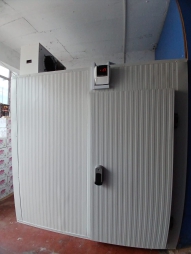
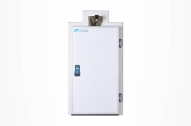
A flush mount cooler swing door improves daily cooler use by supporting cleaner openings, steadier sealing, easier sanitation, and lower workflow friction in busy commercial spaces.

Flush Mount Doors in Daily Use

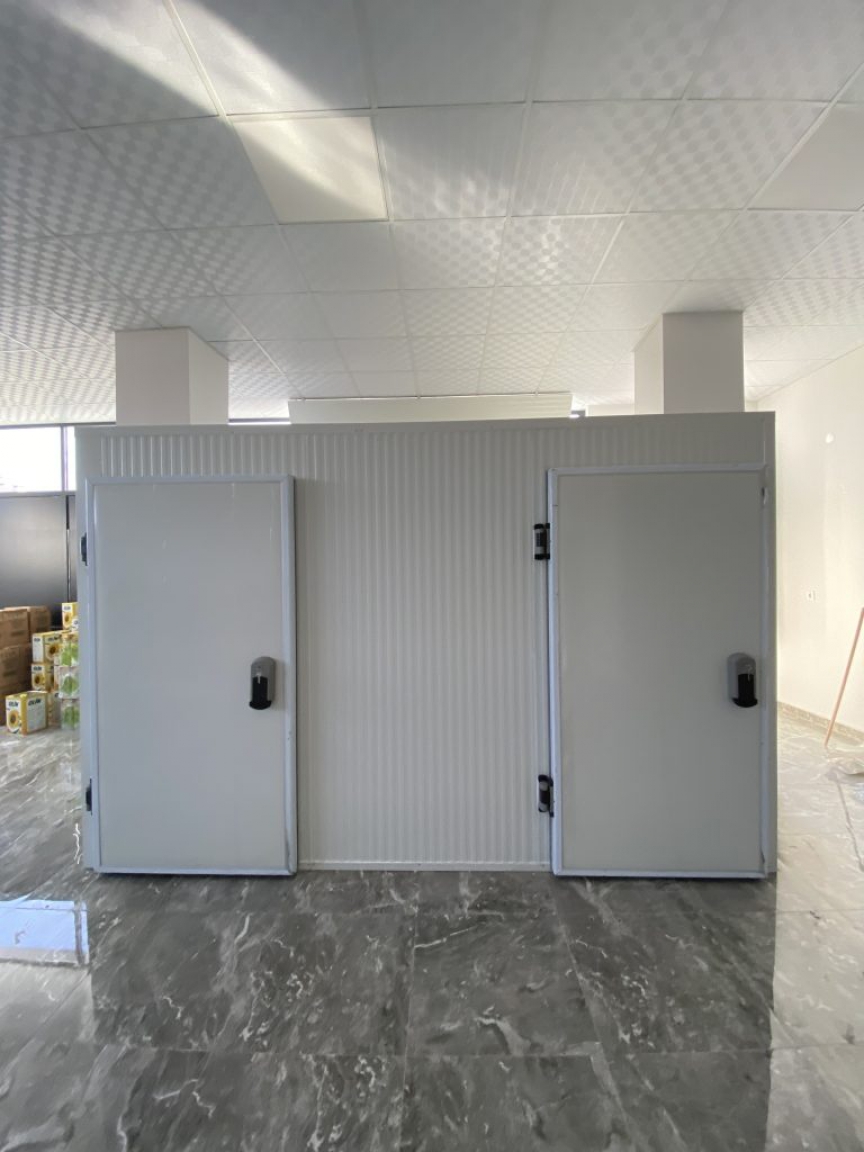
A flush mount cooler swing door is a strong long-term choice when a cooler opening is used constantly and has to stay clean, stable, and easy to manage every day. In daily use, the value comes from a smoother wall-to-door transition, more controlled closing behavior, and an opening that is easier to wipe down and less likely to feel visually or physically disruptive.

That matters because most cooler door problems do not begin with total failure. They begin with daily friction: more time spent cleaning around the opening, more visible wear, less confidence in seal consistency, and a growing sense that the door area is aging faster than the room around it. Daily use reveals very quickly whether the opening was specified for real operations or only for installation day.

The Real Problem Emerges After the Door Is Installed

On paper, many refrigeration doors may seem acceptable. In actual use, however, the difference becomes obvious.

The refrigeration entrance is one of the most frequently used areas in the room. Staff open it throughout the day. Supervisors notice it on every round. Cleaning crews wipe it down under time pressure. Carts, shelves, and hand-carried goods constantly pass near the door. When this opening isn’t properly addressed, friction ceases to be a theoretical issue. It becomes part of the daily routine.

This is particularly true for supermarkets, cafeterias, commercial kitchens, food preparation areas, and controlled cold storage facilities where staff move frequently but the business still expects a clean and orderly background appearance. In these environments, an odd or visually bulky gap quickly becomes noticeable.

The problem is rarely that the door stops working. The problem is that the door begins to require extra attention. The opening becomes harder to clean, more prone to scratches, less integrated with the wall line, and less aligned with the operational standards the facility aims to maintain.

3Daily Use Exposes the Wrong Door Faster

A door that looks good on the first day may still be the wrong choice for daily use.

This situation arises when buyers evaluate only the basic function and fail to consider what repeated use over time does to the opening. Daily use places constant stress on the overall condition of the entrance. It exerts pressure not only on the door panel but also on the frame relationship, the seal contact, the hardware behavior, the surrounding finish, and the general feel of the opening within the room.

When the opening is not suited to the traffic flow, symptoms appear quickly: 

  • Increased wiping effort at edges and transition points.
  • More pronounced wear in areas of high contact.
  • Greater closing force or less reliable closing lines.
  • Increased maintenance requirements around the hardware.
  • A rougher visual impression during inspections.
  • Otherwise, a weaker sense of quality in an otherwise robust environment.

At this point, facility teams begin to sense that the initial choice is technically feasible but operationally flawed.

The Risk of a Door That Only Works on Paper

A refrigeration door may meet the technical specifications but still perform poorly in daily use.

This is the risk buyers should avoid. If the opening creates a recurring cleaning burden, feels less durable with frequent use, or starts to look worn out too early, the issue is not merely cosmetic. It affects labor, maintenance frequency, visual inspection, and ownership costs.

Practically speaking, an improper door clearance can lead to: 

  • Slower cleaning routines during busy shifts.
  • More disruptions in daily staff movements.
  • Premature wear of gaskets and hardware.
  • More noticeable surface damage.
  • Increasing pressure to make adjustments over time.
  • Discussions about replacement sooner than expected.

None of these issues may be classified as sudden failures. However, when they all come together, they create a door opening that silently works against daily operations.

This is often the most costly type of error, as it does not trigger a single major repair event. It creates a constant burden.

Flush-Mounted vs. More Visible Daily-Use Openings

For daily-use cold rooms, the most useful comparison isn’t just between a hinged door and another type of opening. It’s whether the opening remains clean, controlled, and easy to use after repeated use.

When the opening needs to be more integrated with the wall, easier to clean, and less conspicuous in the work environment, a recessed-mounted refrigeration swing door is generally a better choice. A more exposed opening can still function, but it typically creates more visual disruption and more friction during daily wiping.

Daily Use FactorFlush Mount Cooler Swing DoorMore Exposed Opening
Wall integrationCleaner and more controlledMore interrupted
Sanitation routineEasier in frequent wipe-down settingsMore edge cleanup
Visual wear over timeUsually less intrusiveMore noticeable sooner
User experienceCalmer and more settledRougher over time
Suitability for visible back-of-house areasStrongMore limited
Long-term daily-use valueBetter fit for disciplined operationsBetter only for basic utility settings

For this reason, daily usage is so critical in the selection process. A door is not evaluated solely on what it is. It is evaluated on how it performs after hundreds or thousands of cycles in a real-world facility.

Why Are Flush-Mounted Doors More Durable in Daily Operations?

The primary advantage of a flush-mounted swing door in daily use is that it reduces unnecessary friction around the opening.

Since the door fits more flush with the wall line, managing the entrance is easier. It feels less bulky in active work areas. It supports a cleaner visual standard. It can simplify cleaning routines because there are fewer annoying protrusions that clash with the surrounding panel cladding. In many operations, the value starts right here.

Daily use isn’t just about how often it’s opened. It also encompasses all the pressure around the opening: 

  • Repeated staff movement.
  • Hand truck or light shelving traffic.
  • Sanitation cycles.
  • Inspection visibility.
  • Pressure to reduce downtime.
  • The pressure to make the room look cleaner.

A door suitable for daily use should not become an opening that everyone has to work around. It should support the room quietly and consistently.

This is where the Freezewize Cooling System approach naturally comes into play. The goal is not simply to select a door listed in a catalog. The goal is to select an opening that still feels right even as daily use begins to test every detail of the installation.

The Right Solution Depends on How the Room Is Actually Used

The best solution for daily use applications is typically one that treats the opening not just as a door product, but as an operational component.

This means looking beyond the basic opening motion and considering how the entrance interacts with the surrounding room. When a more refined opening is needed to support hygiene, appearance, and repeated daily access without creating extra maintenance pressure on the cooler, a recessed-mounted cooler-flanged door is usually the right answer.

When making a decision, the following related components should also be considered: 

  • Insulated panel alignment.
  • Gasket durability and ease of service.
  • Usage intensity of latches and hinges.
  • Threshold compatibility.
  • Viewing panel requirements.
  • Exposure to cleaning chemicals.
  • Expected traffic flow.
  • Available service access for maintenance.

When these details are properly addressed, the result is not just a better-looking door. It is a better opening for daily use.

Quick Decision Guide

A recessed-mount refrigerated swing door is generally the right choice in the following situations: 

  • If the refrigerator is in use throughout the day.
  • If hygiene routines are frequent.
  • If the opening is visible to staff or inspectors.
  • If the facility wants a cleaner surface from the wall to the door.
  • If the team wants less daily wear and tear around the entrance.
  • Long-term ownership value is more important than minimal initial cost.

A simpler opening may still be appropriate in the following situations: 

  • The space is entirely function-focused.
  • Appearance is not important.
  • Cleaning around the opening is less labor-intensive.
  • Traffic is less dense or less visible.
  • If the facility accepts a rougher finish in the long term.

The key decision is simple: if the door is to be part of the daily workflow, it must be designed not just for the initial installation but also for daily realities.

Related Solutions

Depending on the room design, related solutions may include insulated panels for cold rooms, freezer-style doors with flaps for low-temperature applications, insulated viewing panels, thresholds designed for vehicle traffic, replaceable gasket systems, and hardware packages selected for frequent daily use.

These solutions deliver the greatest value when the opening is planned as an integral part of the entire room environment.

FAQ

Why is daily usage so important when selecting a refrigerated door?

Because repeated daily usage reveals cleaning demands, wear patterns, seal integrity, and maintenance needs much more quickly than occasional use.

Is a recessed-mounted refrigerated sliding door better for high foot traffic?

In most cases, yes. It provides a cleaner and more controlled opening in areas where staff are constantly coming and going.

Does the recessed mounting design aid hygiene?

Yes, especially in applications with frequent wiping routines. A cleaner transition from the wall to the door can simplify maintenance of the opening.

Can a door still function properly yet still be the wrong choice?

Absolutely. A door may function mechanically, but it can still create extra labor, more visible wear, and higher long-term maintenance demands.

What should buyers consider before selecting a door for daily use?

They should evaluate traffic frequency, the visibility of the opening, hygiene routines, the surrounding panel layout, threshold conditions, hardware load, and long-term maintenance expectations.

Where are flush doors most effective in daily use?

They are particularly effective in supermarkets, kitchens, food preparation areas, processing support rooms, and refrigerated entrances where daily cleaning and visual inspection are critical.

Better Daily Use Starts with a Better Opening

The best refrigeration doors aren’t just doors that close. They are doors that continue to support the room even after being subjected to the harsh conditions of daily use.

If a refrigeration opening is used every day, a recessed-mount refrigeration swing door is one of the smartest ways to maintain cleanliness, control, and long-term operational value.

For facilities planning a new refrigeration unit or renovating an aging entrance, the most beneficial next step is to evaluate how the opening will perform under real-world daily traffic, cleaning demands, and ownership expectations—before routine use turns a minor weakness into a permanent burden.

Fill the Form!

Write your needs and fill the form to contact us.

Freezewize | Industrial Cooling Systems & Custom Cold Room Solutions
Merhaba, Size yardımcı olabilir miyiz ?
Whatsapp Destek