




Freezewize | Industrial Cooling Systems & Custom Cold Room Solutions

Swing Doors That Sit Tight

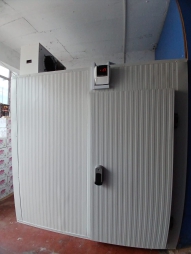
Flush Mount Cooler Swing Door for Tight Sealing and Cleaner Cooler Performance

A flush mount cooler swing door that sits tight helps reduce air leakage, cleaning friction, and hardware stress while supporting better cooler control in daily use.

Swing Doors That Sit Tight

A flush mount cooler swing door should do more than open and close. It should sit tight against the opening, hold a consistent seal, and stay stable under repeated daily use. In real cooler environments, that tighter fit helps protect temperature, reduce door drift, limit visible wear, and support a cleaner, more controlled entry point.

That matters because many cooler door problems do not begin with total failure. They begin with small signs of looseness: light movement at the edge, uneven gasket contact, harder closing, more slam force, or a door that no longer feels firmly set in place. Those issues create operational drag long before anyone calls it a replacement problem.

The Point Where Loose Door Performance Begins to Cause Damage

In a busy cold storage room, the entrance is under constant pressure. Staff rush in and out. Vehicles pass by the door jamb. Cleaning is done quickly, not carefully. Equipment is used every shift, not just occasionally. Under these conditions, a swing door that doesn’t sit tightly begins to create problems that are easy to notice but hard to ignore.

The first issue is rarely dramatic. It’s usually a gradual loss of control around the opening. The door can still be locked, but it no longer feels secure. It can still close, but the seal is less consistent. From a distance, it may still look acceptable, but daily users may sense that the opening is starting to loosen.

This change affects more than just comfort. In cold rooms, an entry point that feels loose can lead to: 

  • Increased heat loss around the perimeter.
  • Greater stress on hinges, locking points, and gaskets.
  • The door slamming more frequently or requiring force to close.
  • Faster visual wear around the gap.
  • Less confidence during inspections or routine checks.
  • A general sense that the door isn’t fully meeting operational requirements.

This is where the real challenge begins for facility managers and operators. The room still functions, but the gap starts to require attention.

Why Might a Door Still Be a “Wrong Choice” Even Though It “Works”?

This is one of the most common specification errors in cold environments. A door is selected because it technically fits the opening and meets basic usage requirements, but it does not remain sufficiently stable under actual operating conditions.

This distinction is important. A door may function on paper, but in practice, it may be wrong.

When a hinged door doesn’t fit tightly, the consequences emerge gradually. Staff begin to press harder to close the door. The seal becomes less even. Even before the room shows signs of wear, the door opening begins to look worn out. Cleaning crews work around misalignment points and hardware areas that no longer feel properly integrated. Maintenance calls increase; this is not due to the product failing catastrophically, but because the door opening has never seated properly from the start.

This situation is particularly critical in U.S. commercial environments where workforce efficiency, downtime prevention, food safety expectations, and visible kitchen standards all influence purchasing decisions. A loose door is not just a door problem. It becomes a workflow issue, a maintenance issue, and ultimately a replacement timing issue.

Operational Risks of a Door That Doesn’t Seal Tightly

A loose or unbalanced swing door for a refrigeration unit can pose risks even if it still appears functional.

The most direct risk is temperature inconsistency around the gap. If the door does not close with equal pressure, small leaks and weak sealing areas become more likely. This situation can place an avoidable load on the room and the equipment it supports.

The second risk is mechanical. When alignment is slightly off or the door no longer closes properly, users compensate by applying force. This extra force manifests in the hinges, latch areas, handles, door closers, and the frame’s connection points. Over time, the door feels stiffer, noisier, and worn out when opening.

The third risk is operational perception. In many food service establishments, people notice the door every day in the kitchen, processing area, and supermarket backrooms. If the door sways, slips, slams, or feels loose upon contact, the space begins to look neglected—even if the rest of the room is in acceptable condition.

Therefore, choosing the wrong door can end up costing more than expected: 

  • More frequent hardware adjustments.
  • Earlier seal wear.
  • More cleaning around misaligned edges.
  • Decreased user confidence.
  • Higher maintenance burden.
  • Earlier replacement considerations.

A tightly fitting door helps you avoid these slow and costly compromises.

Tight-Fitting Recessed Doors and Looser Functional Openings

Not every refrigeration door is expected to behave the same way. Some environments tolerate a simpler opening condition. Others, however, require a tighter, cleaner, and more controlled seal because the opening process is part of daily operational discipline.

When the goal is a robust, integrated closing condition rather than a more flexible opening style, a recessed-mounted refrigeration door is generally the stronger option.

Decision FactorFlush Mount Cooler Swing DoorLooser Utility-Style Opening
Fit against openingTighter and more controlledLess refined contact feel
Seal consistencyStronger when properly specifiedMore vulnerable to uneven closure
Daily user experienceMore stable and predictableCan feel rougher over time
Appearance retentionCleaner and more intentionalMore likely to look worn sooner
Cleaning around openingEasier with integrated finishMore interruption at edges and transitions
Long-term maintenance logicLower friction in the right use caseMay require earlier adjustment attention

This does not mean every application requires the tightest possible door seal. However, when refrigeration control, hygienic appearance, and daily reliability are critical, a tighter seal becomes a meaningful purchasing criterion.

What Makes a Flush-Mounted Refrigeration Door Tight-Sealing

A tight-sealing door is not the result of a single feature. It stems from how the opening is assembled as a whole.

In refrigeration applications, this typically means the door panel, frame relationship, hinge support, latch movement, gasket compression, and wall integration must all work together. If any one of these elements falls short, the opening may never feel fully seated, even if it is brand new.

A recessed installation configuration is beneficial because it provides a cleaner connection between the door system and the surrounding wall line. When combined with proper hardware selection and sound installation logic, it creates a more disciplined opening that closes with less guesswork and maintains its position more consistently.

This is particularly useful in the following applications: 

  • Frequent entry and exit by personnel.
  • Handcart, shelf, or light vehicle traffic near the opening.
  • Routine cleaning and wiping cycles.
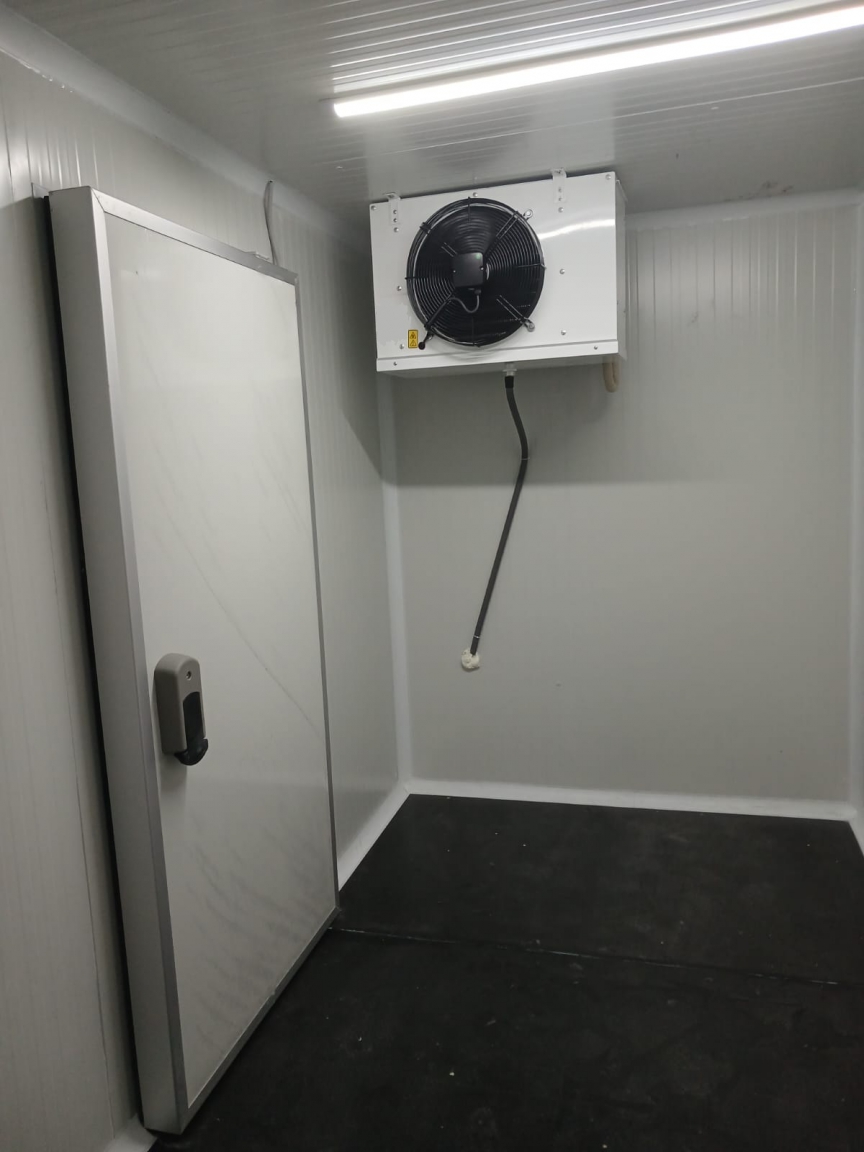
  • Visible access to cooling units in active work areas.
  • Pressure to reduce maintenance downtime.
  • The need for better long-term value.

Under these conditions, the right door should not feel loose, noisy, or unstable after repeated use. It should feel sturdy, aligned, and predictable.

This is where the Freezewize Cooling System approach makes practical sense. The goal is not to over-engineer the product. The goal is to adapt the opening to the real operational pressures it will face; so that the door feels right not just on installation day, but months later after actual use.

The Solution Is Not Just a Door, But Better Opening Conditions

When buyers focus solely on panel thickness or basic opening motion, they may overlook the real performance issue. A more useful question is whether the entire opening will remain under control during daily use.

When a facility needs a door that remains stationary, provides consistent sealing, and supports a cleaner visual and operational standard, a recessed-mount refrigerated swing door is a better solution. In practice, this typically means selecting a door system that matches the correct structural support, hardware quality, seal design, and the traffic flow of the refrigeration unit.

It should also be evaluated in conjunction with surrounding details: 

  • Threshold or floor transition.
  • Seal maintenance ease.
  • Latch and handle durability.
  • Hinge load capacity.
  • Viewing panel requirements.
  • Wall panel alignment.
  • Service access for future adjustments.

When these details are properly addressed, the door doesn’t just close—it closes with precision. This distinction prevents the opening from becoming a weak point in the room.

Quick Decision Guide

A recessed-mounted swing door for a walk-in cooler is generally the right choice in the following situations: 

  • If the opening requires a tight and secure seal.
  • If personnel frequently enter and exit the cooler on a daily basis.
  • If the appearance of the space and the quality of the finish are important.
  • If cleaning routines are frequent and time-sensitive.
  • If the facility wants less adjustment pressure in the long term.
  • If the team wants a door that feels sturdy, not loose or unbalanced.

A simpler opening may still work in the following situations: 

  • If the space is entirely focused on functionality.
  • If surface appearance is not a priority.
  • If the team accepts more routine adjustments and wear and tear.
  • If the opening does not require the same level of consistent sealing performance and presentation.

The key decision is simple: if the door needs to remain aligned, airtight, and reliable during daily use, a tightly fitting recessed-mounted door with cooling fins is generally the smarter choice.

Related Solutions

Depending on the project, related solutions may include: 

  • Refrigerated room panels for a cleaner, integrated wall system.
  • Freezer swing doors for low-temperature applications.
  • Heavy-duty hardware packages for high-traffic openings.
  • Insulated sight panels for safer movement and visibility.
  • Thresholds and floor transitions suitable for vehicle traffic.
  • Spare gaskets and serviceable sealing components.
  • Protective hardware details for high-traffic refrigeration entrances.

These solutions work best when designed not as standalone components but as part of the room’s operational logic.

FAQ

Why is a tight fit important for a refrigerated door?

Because a tighter fit ensures more consistent sealing, reduces stress on the hardware, and provides more controlled opening during daily use. It helps prevent minor issues from escalating into maintenance problems.

Is a tightly fitting recessed-mount door better for food service establishments?

In most cases, yes. Food service establishments, especially in visible or hygiene-sensitive areas, typically require cleaner-looking openings, better wiping conditions, and more predictable daily performance.

Why does a refrigerated swing door start to feel loose over time?

Common causes include repeated high-frequency use, poor alignment, uneven seal compression, inadequate hardware, and an opening design that doesn’t match actual traffic patterns.

Does a tighter-fitting door mean it’s harder to operate?

No, when properly specified. A good door should fit tightly yet operate smoothly. The goal is a controlled closure, not heavy or forced operation.

Should buyers also consider the floor and threshold?

Yes. A stable door opening depends on more than just the door leaf and frame. Floor conditions, threshold compatibility, traffic type, and nearby impact patterns all affect long-term performance.

When should you consider replacing it instead of repeated adjustments?

If the door is constantly slipping, the seal is inconsistent, or it requires repeated service calls despite maintenance efforts, replacing it may be more cost-effective than continuing to fix the same weak opening issue.

Tight Door Performance Supports Better Refrigeration Control

The best refrigeration doors do more than just fit the opening. They fit the opening tightly, maintain their seal, and support daily operations without requiring constant adjustments.

If a refrigeration opening needs to remain sturdy, clean, and reliable in real-world facility use, a tight-fitting, recessed-mount refrigeration louvered door is the right choice.

For operators planning a new installation or evaluating an aging refrigeration entrance, the smartest step is to examine how the opening performs under real-world traffic, cleaning, and sealing demands before the next maintenance cycle turns into a replacement issue.


Fill the Form!

Write your needs and fill the form to contact us.

Freezewize | Industrial Cooling Systems & Custom Cold Room Solutions
Merhaba, Size yardımcı olabilir miyiz ?
Whatsapp Destek