




Freezewize | Industrial Cooling Systems & Custom Cold Room Solutions

Cooler Entries Without Surface Protrusion

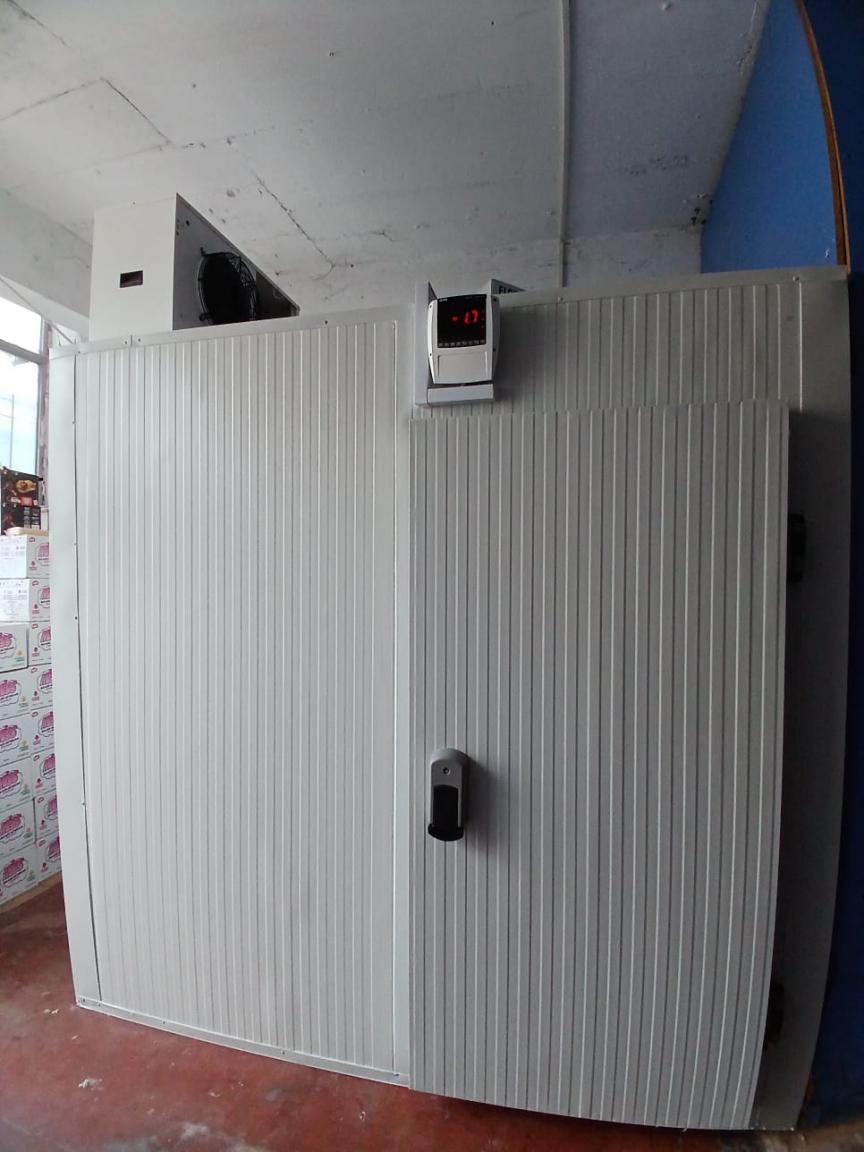
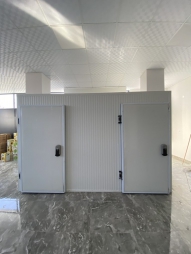
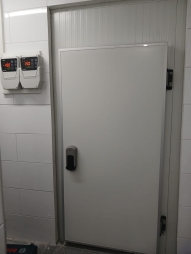
Flush Mount Cooler Swing Door for Cleaner Entries and Smoother Wall Integration

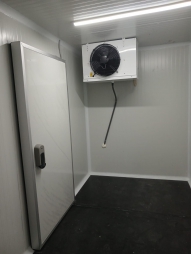
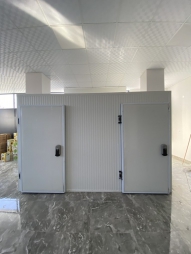
A flush mount cooler swing door creates a cleaner entry by removing surface protrusion, reducing wipe-down friction, and supporting a tighter, more controlled cooler opening.

Cooler Entries Without Surface Protrusion

A flush mount cooler swing door is the right choice when a cooler entry needs to stay cleaner, look more integrated, and interfere less with daily movement and sanitation. By eliminating unnecessary surface protrusion at the opening, it helps reduce grime buildup points, visual clutter, and the feeling that the door area sits outside the room’s actual operating standard.

That benefit matters in real facilities because cooler entries are not passive components. They are touched, cleaned, passed, inspected, and judged every day. When the opening projects too far into the working environment, it can create workflow friction, more difficult cleaning, and a rougher long-term appearance than the rest of the room.

Where Protruding Openings Start to Cause Problems

Most refrigeration rooms do not experience issues due to weak cooling or inadequate panels. The problem usually begins at the entrance.

In active food and commercial environments, the opening is one of the most exposed and frequently used parts of the room. Staff pass through here quickly. Vehicles pass by. Cleaning crews wipe this area under time pressure. Since it is at eye level and within the daily workflow, supervisors and inspectors notice it. If this opening has an unnecessary surface protrusion, it begins to affect the area in ways that may seem small at first but accumulate rapidly.

A protruding opening tends to cause more interruptions around the wall line. It can trap dirt more easily, complicate cleaning routines, and make the opening appear heavier or more disorganized compared to the surrounding cold room cladding. In a supermarket’s backroom, kitchen prep area, kitchen, or processing support area, this is not merely a visual disadvantage. It becomes an operational disadvantage.

The problem isn’t that the opening fails to function. The problem is that it adds friction to a part of the room that should be clean, stable, and easy to manage.

Why Does a Surface Protrusion Become an Operational Burden?

A refrigeration inlet doesn’t need to malfunction to be a problem.

This also leads to the problem being easily overlooked during the purchasing process. A protruding or more exposed opening can still close properly, maintain temperature reasonably well, and appear acceptable during installation. However, once daily use begins, the extra surface interruption starts to create a preventable burden.

This burden typically manifests in familiar ways. Cleaning takes longer because staff must work around the protruding areas. The inlet feels more vulnerable to impacts and edge wear. The opening begins to look older than the surrounding panels. In visible rear areas, the cooling inlet may start to look like a separate piece of equipment rather than part of a cohesive room enclosure.

For facility managers, this situation becomes frustrating because the room is technically still operational. However, the inlet ceases to support the standard the facility is striving to maintain.

The Risk of Choosing an Inlet with Excessive Projections

The greatest risk is not a dramatic failure. It is accumulated inefficiency.

When there is unnecessary surface protrusion at the cooler inlet, keeping the opening clean becomes difficult and visual wear becomes more pronounced. This leads to increased maintenance attention, greater cleaning effort, and a growing sense that the inlet does not fully fit into the working environment.

Over time, an improper inlet situation can contribute to the following: 

  • Slowing of daily cleaning routines.
  • More pronounced scratches and coating wear.
  • Greater exposure of edges in tight work areas.
  • More difficulty maneuvering around vehicles, shelves, or personnel traffic.
  • Deterioration of the background presentation.
  • Pressure to replace sooner due not only to performance but also to appearance and wear.

This is important in the U.S. market because many buyers are concerned with more than just maintaining temperature. They also prioritize labor efficiency, hygiene standards, inspection readiness, and long-term ownership value. A refrigeration inlet that protrudes excessively can negatively impact all four of these factors.

Flush Mounting vs. Protruding Inlet Conditions

The fundamental comparison isn’t just between a swing door and another door type. It’s about whether the inlet feels integrated into the room or added to it.

A recessed-mount swing door is generally more practical when the goal is a cleaner transition from wall to door, easier cleaning, and less physical obstruction at the inlet. A more exposed configuration may still be tolerable in areas focused purely on functionality, but it generally introduces greater visual and maintenance burdens.

Decision FactorFlush Mount Cooler Swing DoorMore Exposed Entry Condition
Wall integrationClean and alignedMore interrupted
Surface protrusionMinimalMore noticeable
Cleaning routineEasier and faster in many settingsMore wipe-down friction
Visual controlMore disciplined appearanceMore utilitarian look
Suitability for visible work areasStrongLess refined
Long-term ownership feelMore intentional and stableMore likely to feel under-specified

This does not mean every cold room requires a recessed entrance. However, if the entrance is located in an active, hygiene-sensitive, or visually important section of the facility, the value of minimizing the protrusion can easily be justified.

Why Recessed Mounting Design Solves the Problem Correctly

The real advantage of recessed mounting design is not that it looks modern. It is that it removes unnecessary obstacles from one of the room’s busiest areas.

A recessed-mount cooling louver door helps the opening sit more flush within the wall plane. This improves the feel of the entrance during daily use. Cleaning is easier. The opening appears less bulky. There are fewer awkward transition points that clash with the surrounding panel cladding. The entire room feels more cohesive.

This is the most critical consideration in applications where the refrigerated entrance is part of a daily routine rather than occasional access. In many facilities, staff pass through this opening dozens or even hundreds of times a day. Even if pallet traffic is limited, the entrance is still subject to repeated contact, visual exposure, and hygiene demands. A cleaner, less protruding opening reduces the likelihood that the door area will be the first part of the room to show wear and tear.

This is where the Freezewize Cooling System approach proves practical. The focus is not on making the entrance luxurious merely for its appearance. The focus is on making the opening better suited to the facility’s traffic flow, cleaning routine, and visual standards.

Where Recessed Openings Make the Most Sense

Recessed entryways are particularly effective in cold environments where the opening must support more than just the basic temperature differential.

They are generally well-suited for the following: 

  • Supermarket refrigerated entrances.
  • Restaurant and cafeteria kitchen areas.
  • Commercial kitchens.
  • Food preparation areas.
  • Controlled cold storage rooms with regular staff movement.
  • Processing support rooms where both hygiene and presentation are critical.

In these environments, the door is an integral part of the workflow. It should not protrude into the space more than necessary. It should not create extra cleaning work. It should not visually divide the room every time someone passes by.

A recessed entrance supports a better workflow rhythm because it meets the actual needs of the entrance.

Quick Decision Guide

Select a recessed-mounted refrigerated sliding door in the following situations: 

  • If the refrigerated entrance is located in a visible work area.
  • If cleaning speed and hygiene consistency are important.
  • Staff traffic is heavy.
  • The room requires a cleaner finish from wall to door.
  • The facility prefers less visual bulk in the opening.
  • Long-term ownership value is more important than the lowest initial cost.

A more open entrance configuration may still be acceptable in the following situations: 

  • The space is entirely focused on functionality.
  • Appearance is of secondary importance.
  • Hygiene requirements are lower.
  • The team accepts a rougher finish.
  • The entrance is not part of a more disciplined back-office standard.

The decision is simple: if the entrance needs to be cleaner, calmer, and easier to manage, a flush-mounted opening that does not protrude from the surface is generally a better choice.

Related Solutions

Depending on the room’s overall design, related solutions may include insulated panels for cold rooms, freezer-winged doors for low-temperature areas, insulated viewing panels, thresholds suitable for vehicle traffic, serviceable gasket systems, and selected hardware packages for frequently used openings.

These solutions deliver the greatest value when the entrance is considered not as an isolated door decision but as an integral part of the room.

FAQ

Why is surface protrusion important at a refrigerated entrance?

Because it affects more than just appearance. Excessive protrusion can slow down cleaning, increase visible wear, and make the opening feel more cumbersome during daily operations.

Is it easier to keep a recessed-mounted cooler door clean?

In many applications, yes. A recessed opening typically reduces disruptive edges and makes routine wiping faster and more consistent.

Does a recessed-mount design help with visible back areas?

Yes. It supports a cleaner, more controlled presentation and helps ensure the cooling inlet appears harmonious with the rest of the room rather than being overly large or visually disruptive.

Is this primarily a design preference?

No. This is an operational decision. Reduced protrusion supports hygiene, workflow, and the preservation of long-term aesthetics in real-world operating environments.

Should buyers also consider surrounding components?

Yes. The effectiveness of the opening also depends on panel alignment, gasket quality, hardware selection, threshold condition, and expected traffic patterns.

When is a more exposed opening acceptable?

Generally in service areas where visibility is low, and where appearance, cleaning speed, and elegant finishes are less important than core functionality.

Better Refrigeration Entrances Start with Better Fit

The most robust refrigeration entrances are unobtrusive. They support the room, are easier to clean, and create less friction for workers in the vicinity.

If a refrigeration opening needs to operate cleanly without adding visual bulk or daily maintenance burden, a recessed-mount refrigeration louvered door is the right long-term decision.

For teams planning a new refrigeration room or upgrading an aging entrance, the best next step is to assess how the opening fits with the wall, workflow, and hygiene routines before minor daily friction becomes a bigger problem.

Fill the Form!

Write your needs and fill the form to contact us.

Freezewize | Industrial Cooling Systems & Custom Cold Room Solutions
Merhaba, Size yardımcı olabilir miyiz ?
Whatsapp Destek